I remember standing in a high-end boutique last month, staring at a piece of “decorative metal art” that cost more than my first truck. It was nothing more than some thin, stamped sheet metal with a cheap powder coating that looked like it would flake off if you breathed on it too hard. It broke my heart to see people paying premium prices for something that had zero soul and even less structural integrity. Most of what you see in those big-box stores these days isn’t art; it’s just mass-produced scrap designed to be thrown in a landfill the moment the trend shifts.
I didn’t spend forty years in a fabrication shop to watch the craft get watered down by convenience. In this guide, I’m going to pull back the curtain and show you what actually makes a piece worth owning. I’ll teach you how to spot the difference between a genuine forged piece and a flimsy imitation, and I’ll share the fundamental principles of material selection and joinery that ensure your metalwork stands the test of time. We aren’t here to chase fleeting aesthetics; we are here to build things that actually last.
Table of Contents
- Why Handcrafted Iron Sculptures Outlast Cheap Imitations
- Selecting Bespoke Metal Installations That Truly Endure
- Five Rules for Choosing Metalwork That Won't End Up in a Scrap Heap
- Lessons from the Anvil: What to Look For
- The Soul in the Steel
- The Last Word on Metal and Longevity
- Frequently Asked Questions
Why Handcrafted Iron Sculptures Outlast Cheap Imitations
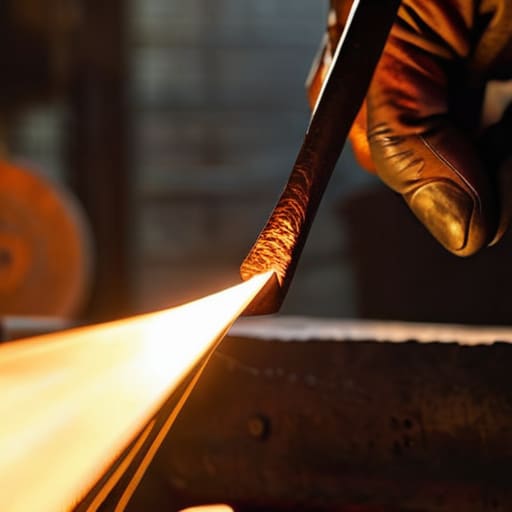
You walk into a big-box store these days and see all sorts of flimsy, mass-produced pieces meant to look “industrial.” They’re usually thin-gauge sheet metal, stamped out by a machine in a factory halfway across the world and held together by cheap spot welds that’ll snap if you look at them wrong. That’s not art; that’s just scrap waiting to happen. When you invest in handcrafted iron sculptures, you’re paying for the weight of the material and the integrity of the joinery. A real piece has substance. It’s been worked by a person who understands how heat affects the grain of the metal, ensuring that the structure is as sound as it is visually striking.
If you’re looking to integrate industrial metal accents into a room, you want something that commands respect, not something that rattles when someone closes a door. A bespoke piece is built to weather the years, developing a natural patina rather than just peeling cheap paint. True craftsmanship means the piece is designed to be part of the architecture, not just a temporary decoration. Don’t settle for the hollow imitation; buy something with some actual heft to it.
Selecting Bespoke Metal Installations That Truly Endure
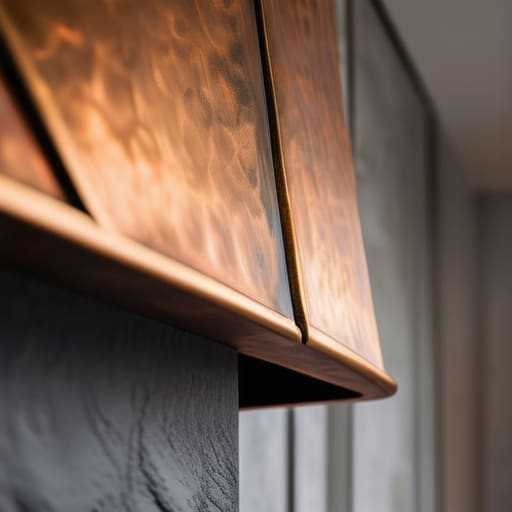
When you’re looking to bring bespoke metal installations into your home, you have to look past the surface shine. Most folks walk into a showroom, see something that catches the light, and buy it on impulse. That’s a mistake. I’ve seen too many pieces of modern metal wall decor that look fine under a bright shop light but fall apart the moment they encounter a bit of humidity or a stray fingerprint. You need to inspect the joins. If you see sloppy, globby welds that look like they were slapped on by someone in a hurry, walk away. A real craftsman treats a connection with as much respect as the main body of the piece.
If you’re leaning toward more contemporary metalwork styles, pay close attention to the gauge of the material. There’s a massive difference between a solid plate and something thin that’s been stamped out by a machine to save on cost. True quality has a certain weight to it—a gravity that tells you it isn’t going to warp or buckle under its own tension. Don’t be afraid to ask the maker about their finishing process, too. Whether it’s a powder coat or a hand-rubbed oil finish, it needs to be built to withstand the elements of a living space, not just sit there looking pretty for a month.
Five Rules for Choosing Metalwork That Won't End Up in a Scrap Heap
- Check the welds before you buy. If you see a bead that looks like a bird’s nest or a string of messy, uneven blobs, walk away. A proper weld should be consistent and smooth, showing that the maker actually understood how the heat was flowing into the metal.
- Weight is your best friend. In this era of hollow, thin-gauge junk, a piece of art should have some heft to it. If a “heavy” iron sculpture feels light enough to toss in a backpack, it’s likely made of cheap, thin-walled tubing that’ll buckle the first time the wind catches it.
- Look for honest finishes. I’ve seen too much decorative work covered in thick, plastic-looking powder coatings that hide a multitude of sins. I prefer a piece where you can see the hammer marks or a well-applied patina—something that shows the metal’s character rather than masking it.
- Inspect the mounting points. If you’re hanging something on an exterior wall, don’t just trust a flimsy hook. Ensure the piece has substantial mounting hardware or integrated brackets designed to handle the weight and the elements without pulling out of the masonry.
- Mind the rust. A little oxidation is part of the life of iron, but there’s a difference between a controlled, beautiful patina and structural rot. If the piece looks like it’s flaking off in chunks right out of the shop, the metal wasn’t treated or forged correctly to begin with.
Lessons from the Anvil: What to Look For
Check the joints and welds before you part with your hard-earned cash; if the bead looks like a messy bird’s nest instead of a clean, consistent line, that piece is going to fail you when the weather turns.
Prioritize material thickness over flashy finishes, because a thin, stamped-out piece of sheet metal might look alright under shop lights, but it won’t hold its shape once it’s out in the real world.
Demand honesty in the finish, whether it’s a deep patina or a clear coat, and make sure it’s applied with enough care to actually protect the metal rather than just masking up a poor weld.
The Soul in the Steel
Most people look at metal art and see a shape, but a real craftsman looks for the marks of the hammer; if it doesn’t have the weight of intention behind it, it’s nothing more than overpriced scrap metal waiting to rust out.
Alistair Fenwick
The Last Word on Metal and Longevity
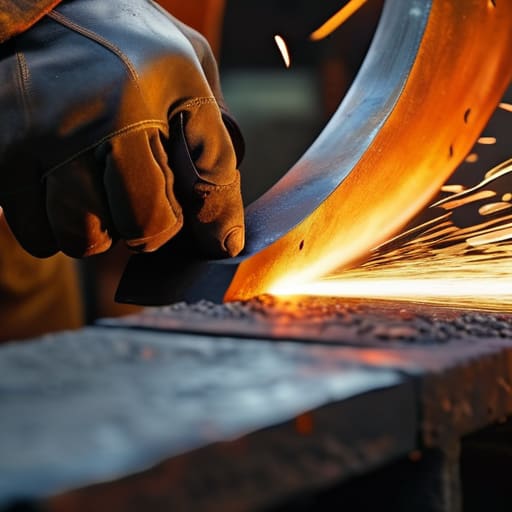
At the end of the day, choosing decorative metal art isn’t just about picking a shape that looks decent in a catalog; it’s about understanding the difference between something that’s merely “finished” and something that is truly built to endure. We’ve talked about why you should steer clear of those flimsy, mass-produced imitations that rust out before the first season changes, and why investing in bespoke, heavy-duty installations is the only way to ensure your piece doesn’t become junk in five years. Whether it’s a hand-forged sculpture or a custom gate, the quality is found in the integrity of the weld and the thickness of the material. If you don’t respect the metal, the metal won’t respect your home.
I’ve spent forty years watching people throw away perfectly good tools and fixtures just because they were too lazy to learn how to maintain them. Don’t let your decor fall into that same trap of disposable culture. When you bring a piece of metalwork into your life, treat it like a legacy. Buy something that has weight to it, something that shows the marks of the maker, and something you can actually maintain with a bit of oil and a steady hand. We aren’t just decorating rooms; we are curating pieces that will still be standing long after we’re gone. Build it right, or don’t build it at all.
Frequently Asked Questions
How do I tell the difference between solid wrought iron and something that's just thin, stamped steel painted to look old?
Look, don’t let a coat of “antique” spray paint fool you. Grab a magnet first; if it’s heavy and sticks, it’s steel, but that doesn’t mean it’s quality. To spot real wrought iron, look at the surface. Real iron has a subtle, organic texture from the forging process—slight irregularities that a machine can’t mimic. If the edges are perfectly uniform and thin as a biscuit, it’s just stamped steel playing dress-up.
What kind of maintenance does a metal piece actually need if I want it to keep its character without rusting into a pile of orange flakes?
Listen, if you want that patina to stay beautiful instead of turning into a heap of orange dust, you can’t just set it and forget it. Every few months, give the piece a good wipe with a stiff brush to clear the grit. Then, apply a thin, even coat of high-quality paste wax or a specialized oil. It seals the metal from the air without making it look like it’s covered in plastic.
If I'm putting a custom piece outdoors, what kind of finish or sealant should I be looking for to handle the weather?
If you’re putting metal out in the elements, don’t trust a cheap spray paint job. For outdoor pieces, I always recommend a high-quality powder coating or a heavy-duty clear lacquer if you want to keep that raw, forged look. If you’re working with iron, a good coat of linseed oil or a specialized wax can work, but you’ll have to stay on top of it. Nature’s always trying to rust your work; you’ve got to stay one step ahead.
