I remember a job back in ’88, working on a custom chassis for a client who thought he could save a few bucks by using a handheld drill for everything. The sound of that bit screaming against hardened steel is something you never quite forget; it’s a high-pitched, dying wail that tells you something is very wrong. He ended up snapping three expensive bits and leaving a hole so crooked it was useless. That’s the problem with this modern “just get it done” mindset. People treat their tools like they’re disposable, but when you ignore proper drill press techniques, you aren’t just wasting time—you’re ruining good material that took a lifetime to source.
I’m not here to sell you on some fancy, computerized jig or a thousand-dollar attachment that promises miracles. I’m going to show you how to actually work the machine, from setting your speeds to feeling the pressure in your own hands. We’re going to cover the fundamental drill press techniques that I spent forty years perfecting in industrial shops, focusing on precision over speed. If you’re willing to slow down and respect the metal, I’ll make sure you stop fighting your tools and start mastering them.
Table of Contents
The Foundation Why Center Punch Usage Prevents Wasted Material
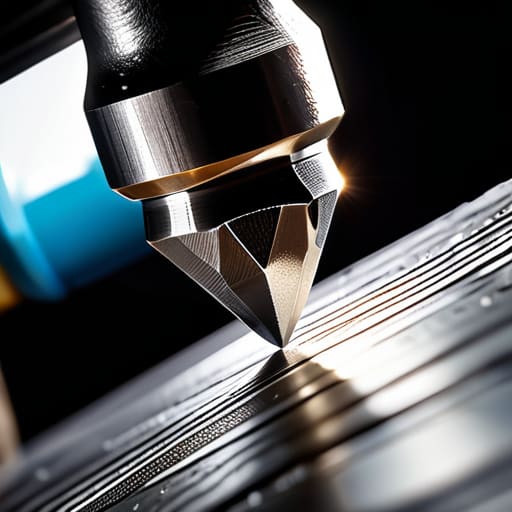
I’ve seen too many young lads walk into a shop, grab a bit, and expect the machine to do all the heavy lifting. They think they can just drop the lever and let the tip find its way. That’s a fool’s errand. If you don’t start with proper center punch usage, you’re essentially gambling with your workpiece. Without that small, intentional indentation to guide the tip, the bit is going to skate across the surface of your metal like a stone skipping on a pond. Once that bit wanders, you’ve already lost the battle; you’ll end up with a gouge that no amount of sanding is ever going to fix.
It’s about more than just keeping things straight, though. A solid starting point is your first line of defense in preventing drill bit deflection. When the bit is seated firmly in that divot, it stays true to your marks, which keeps the pressure even and the cut clean. If you skip this step to save thirty seconds, you’ll likely spend thirty minutes trying to grind out the mistake you just made. Don’t rush the preparation, because a well-placed punch is the difference between a clean hole and a ruined piece of steel.
Respect the Tool Essential Drill Press Safety Protocols
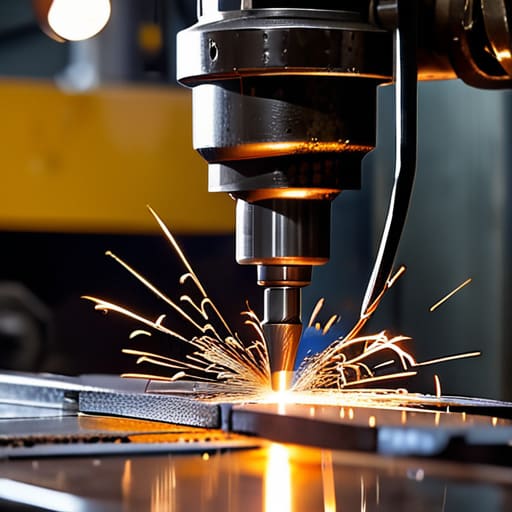
Now, I’ve seen more than a few young fellas walk into a shop with a bit too much confidence and not enough common sense. If you treat a drill press like a handheld power drill, it’ll bite you before you can even swear. First thing you do is secure your workpiece. Don’t you dare hold a piece of steel by hand and expect it to stay put; if that bit catches, that metal becomes a spinning blade. Use a drill press vise or heavy-duty clamps every single time. I’ve spent forty years seeing what happens when someone tries to save thirty seconds by skipping the clamps, and it’s never worth the trip to the ER.
Beyond just clamping things down, you need to respect the mechanics of the machine itself. This means paying close attention to preventing drill bit deflection by ensuring your workpiece is dead level and your bit is true. If you’re working with harder alloys, don’t forget about coolant application for drilling to keep the heat from ruining your temper or your bit. If you hear a high-pitched scream coming from the spindle, you’re doing something wrong. Slow down, check your speed, and listen to the machine. It’ll tell you exactly when you’re pushing too hard.
Five Hard-Earned Lessons for a Cleaner Hole
- Stop the Wander: Never start a hole without a pilot bit. If you try to force a large bit straight into a piece of steel, it’s going to skate across your surface like a puck on ice, and you’ll be spending the next hour grinding out scratches instead of drilling.
- Watch Your Speed: I see too many young folks running a drill press at full tilt for everything. If you’re working with harder alloys or larger bits, slow that spindle down. If you hear the metal screaming or smell burning oil, you’re going too fast and you’re killing your bits.
- Respect the Pressure: You don’t win a fight with metal by manhandling the lever. Apply steady, even pressure. If you find yourself leaning your whole body weight into the handle just to make progress, your bit is dull or your speed is wrong—stop and check your setup before you snap something.
- Use a Lubricant, Not Just Luck: Don’t just run dry. A bit of cutting oil or even a heavy-duty wax goes a long way in keeping the heat down and the chips moving. It keeps the tool sharp longer and ensures the hole is smooth enough to actually use for its intended purpose.
- Secure the Work, Period: I don’t care if the piece looks small or light; if it isn’t clamped to the table, it isn’t safe. A spinning piece of metal is a projectile, and I’ve seen enough ruined projects and bruised knuckles to know that “holding it steady by hand” is a shortcut to a trip to the clinic.
Lessons from the Shop Floor
Never trust a drill bit to find its own way; use a center punch to bite into the metal first, or you’ll spend the next hour chasing a wandering hole.
Treat your drill press like a piece of precision machinery, not a heavy-duty hammer; keep it clean, keep it lubricated, and never force a bit through material it isn’t ready to cut.
Slow down your feed rate and let the tool do the work; if you try to rush through a hole to save a few minutes, you’ll only end up with a burnt bit and a ruined workpiece.
## The Cost of Haste
“A drill bit isn’t a magic wand; it’s a precision instrument that demands respect. If you try to force a hole through a piece of steel without the right speed or pressure, you aren’t just dulling your tool—you’re disrespecting the metal and wasting the material you worked so hard to prepare.”
Alistair Fenwick
Making it Count
At the end of the day, mastering the drill press isn’t about memorizing a list of rules; it’s about developing a rhythm and a respect for the material in front of you. We’ve talked about why that center punch is your best friend to prevent a bit from walking, and why you’d be a fool to skip the safety protocols that keep your fingers where they belong. If you take the time to set your work up properly, choose the right speed for the metal, and listen to the machine, you’ll find that the work becomes much more predictable. Don’t let a moment of laziness turn a perfectly good piece of steel into a pile of scrap metal. Precision is earned through patience, not through rushing to finish the job.
I know there’s a temptation these days to just buy a new part when something goes wrong, but there is a real, quiet pride in knowing you have the skill to do it right yourself. Every time you step up to that machine and execute a clean, straight hole without a struggle, you’re keeping a vital tradition alive. We aren’t just making holes in metal; we are practicing the discipline of doing things the right way the first time. So, keep your workspace clean, keep your tools sharp, and remember that the quality of your work is a direct reflection of your character. Now, get back to the bench and get to work.
Frequently Asked Questions
How do I know when I’m pushing too hard on the lever and risking a snapped bit?
You’ll feel it in your shoulder before you see it in the metal. If you’re having to lean your body weight into that handle just to keep the bit turning, you’ve already lost the battle. A drill bit should bite, chew, and clear chips, not groan under pressure. If the motor sounds like it’s struggling or the lever feels stiff and resistant, back off. Slow your feed rate and check your lubrication; don’t force it.
What’s the best way to keep a workpiece from spinning wildly if the clamp slips?
Listen, if a workpiece starts spinning, you aren’t just looking at a ruined bit; you’re looking at a trip to the emergency room. Never rely on a single, flimsy clamp. I always use a heavy-duty drill press vise bolted firmly to the table, and if the part is irregular, I’ll use parallel bars to keep it steady. If you’re still nervous, use a secondary C-clamp to tie the workpiece directly to the table. Don’t gamble with your fingers.
When should I stop using standard bits and actually bother switching over to a cobalt bit?
Look, if you’re just drilling through a thin sheet of mild steel or some soft aluminum, don’t go wasting money on cobalt. Standard high-speed steel is plenty for that. But the moment you’re staring down stainless steel or something hardened that’s making your regular bits dull in seconds, stop. That’s when you switch. Cobalt bits handle the heat much better without losing their edge. It’s an investment, but it beats throwing away a dozen ruined bits.
