I remember standing in a fabrication shop back in ’84, watching a young apprentice try to file a piece of heavy mild steel while his workpiece danced and jittered like a nervous dog. He’d gone and bought one of those lightweight, cast-aluminum specials from a big-box hardware store, thinking he was saving a few dollars. Every time his file hit the metal, the whole setup shuddered, and he ended up ruining a perfectly good workpiece because he couldn’t get a steady bite. That’s the problem with the world today; people think a bench vise is just a way to hold something, but if it isn’t heavy, solid, and anchored right, it’s nothing more than a glorified paperweight.
I’m not here to sell you on some shiny, overpriced gadget or a fancy brand name that’s mostly marketing fluff. What I want to do is show you how to identify a tool that actually has some backbone to it. I’ll walk you through what to look for in terms of jaw grip, screw thread quality, and weight, so you can invest in a piece of iron that will still be working long after we’re both gone. We’re going to focus on gear that stands up to real work, not just something meant to look pretty on a showroom shelf.
Table of Contents
Sifting Through Machinist Vise Types for Real Work
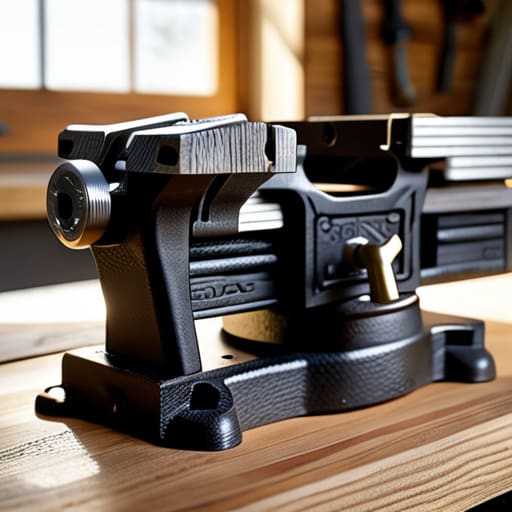
When you start looking at the different machinist vise types, you’ll quickly realize most of what’s sitting on the shelves at the big-box stores isn’t meant for actual fabrication. Most of that stuff is made of cast aluminum or thin, brittle iron that’ll crack the moment you try to put any real pressure on it. If you’re doing anything more serious than tightening a loose screw, you need to be looking for something with enough mass to stay put. I always tell folks to look for a solid, cast-iron body; weight is your friend when you’re trying to maintain workshop workbench stability while filing or sawing.
You’ll see some folks pushing those lightweight, adjustable clamps, but those are just precision metalworking clamps for light assembly, not for real heavy-duty work. If you’re planning on doing any milling or heavy grinding, you want a vise that can handle the vibration without walking across the table. Don’t get distracted by fancy features like quick-release mechanisms if the base isn’t beefy enough to handle the load. In my shop, I’d rather have a simple, heavy block of iron that stays dead still than a complicated gadget that shakes every time the hammer falls.
Why Heavy Duty Workshop Tools Demand Better Standards
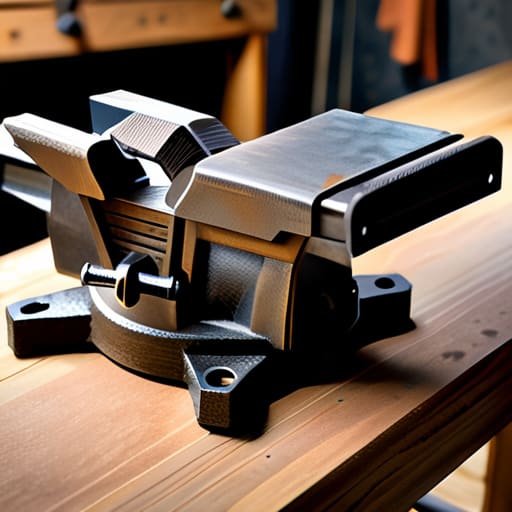
Look, I’ve seen plenty of folks walk into a hardware store and pick up the first shiny thing they see just because it’s got a decent price tag. That’s a mistake you’ll pay for every single time you try to put real pressure on the tool. When you’re dealing with heavy duty workshop tools, you aren’t just buying a piece of equipment; you’re investing in a foundation. If the casting is thin or the screw threads are sloppy, that tool is going to flex the moment you lean into it. Once a tool starts to give way under load, you’ve lost your accuracy, and in my line of work, accuracy isn’t optional.
It isn’t just about the tool itself, either. You can buy the finest piece of iron in the shop, but if your workshop workbench stability is lacking, you might as well be trying to hammer a nail into a sponge. A high-quality vise needs a solid, unyielding surface to bite into. If your bench wobbles or flexes when you tighten the jaws, you’re fighting the furniture instead of the workpiece. You have to treat the whole setup as one single, rigid unit if you want to do work that actually holds up to scrutiny.
Five Rules for Making Your Vise Work for You, Not Against You
- Stop tightening that handle like you’re trying to crush a nut; you’ll strip the threads or warp the screw before you even realize it. A good vise should be snug, not strained. If you have to use your whole body weight to get it tight, something is wrong with the tool or your approach.
- Get yourself a proper set of soft jaws—aluminum or copper—and stop using the raw steel teeth on your workpiece. I’ve seen too many young fellas ruin a perfectly good piece of brass or thin-walled tubing just because they were too lazy to swap out the jaws.
- Keep the screw threads greased, but don’t go dumping grease all over the bench. A little bit of high-quality machine oil on the lead screw keeps it turning smooth and prevents that gritty, binding feeling that tells me a tool is starting to fail.
- Check your mounting bolts every few months. A vise is only as steady as the bench it’s bolted to, and if those bolts start to work themselves loose from the vibration of your hammering, you’re just fighting the tool instead of the metal.
- Always keep a piece of scrap material handy to act as a buffer. If you’re doing heavy filing or light tapping, putting a thin bit of scrap between your workpiece and the vise jaws can save you from those nasty indentations that’ll haunt you later.
The Bottom Line on Picking a Vise
Stop looking at the price tag alone and start looking at the weight; a vise that isn’t heavy enough to stay put under pressure is just a glorified paperweight.
Invest in cast iron or forged steel over those cheap, hollow-feeling alloys, because if the body of the tool flexes while you’re working, you’ve already lost the battle.
Treat your vise like a partner, not a fixture—keep the screw threads greased and the jaws clean, or you’ll find yourself fighting the tool instead of the metal.
The Foundation of Every Good Project
A bench vise isn’t just a piece of hardware you bolt to a table; it’s the anchor for every cut, file, and grind you’ll ever make. If you skimp on the weight or the build quality now, you’ll spend the rest of your working life fighting the tool instead of the metal.
Alistair Fenwick
Getting It Right the First Time
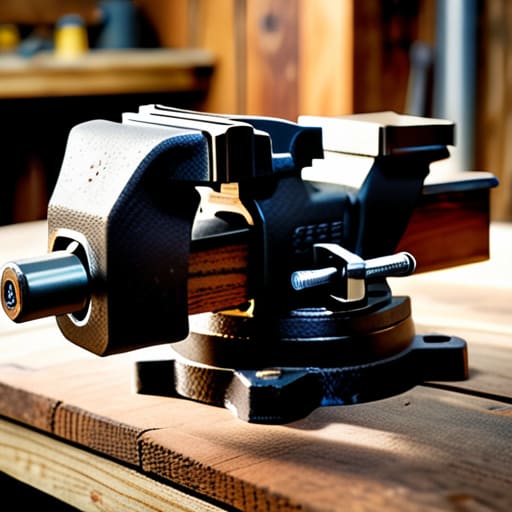
At the end of the day, picking a vise isn’t about finding the cheapest option on a catalog page; it’s about understanding the physics of the job you’re actually doing. Whether you’re leaning toward a heavy machinist model for precision filing or a rugged bench vise for general repair, you have to prioritize mass and stability above all else. A tool that lacks the weight to stay put is nothing more than a paperweight once you start putting real pressure on the handles. Remember what I said earlier: don’t settle for something that wobbles or slips under load, because a tool that fails you mid-cut is a tool that’s already wasted your money.
I’ve seen plenty of young folks walk into shops with brand-new, shiny tools that they treat like disposable plastic, and it breaks my heart to see it. A good vise is a lifelong partner, not a temporary convenience. If you treat it with respect—keep the threads greased, clean the jaws after a messy job, and avoid over-tightening like a madman—that iron will be working just as well for your grandkids as it is for you today. Stop looking for the quick fix and start investing in gear that demands respect, because that’s how you build a workshop that actually stands the test of time.
Frequently Asked Questions
How can I tell if the screw and nut inside my old vise are stripped or just gummed up with years of grime?
Before you go buying a replacement, you need to see what’s actually happening under the hood. First, strip it down completely. Clean that screw and the internal nut with a bit of solvent and a stiff brush to get rid of the decades of sludge. If it still binds or feels “mushy” when you turn the handle, you’ve likely got stripped threads. If it turns smooth once it’s clean, it was just old grease holding you back.
Is it worth spending the extra money on a precision machinist vise, or will a standard hardware store model do the job for general repair work?
If you’re just holding a rusted bolt or a piece of scrap to hammer on, a hardware store model will get you through the day. But if you’re doing any real measurement or fine filing, that cheap vise will let you down. It’ll wobble, the jaws won’t stay parallel, and you’ll end up fighting the tool instead of the workpiece. Spend the extra coin on a precision vise; it’s an investment in accuracy, not just a luxury.
What’s the best way to mount a heavy vise to a workbench so it doesn't lift the whole table when I start putting real pressure on it?
If your bench is lifting, you’re fighting the physics of the tool instead of the metal. Stop relying on just four bolts. You need to bolt that vise through the tabletop and directly into the heavy leg framing or a steel sub-frame. I usually run long Grade 8 bolts all the way through the bench and secure them with heavy washers on the underside. If your table is light, you might even need to bolt the whole bench to the floor.
