I remember sitting in a cramped fabrication shop back in ’84, watching a kid try to quench a high-carbon blade in cold water just because he was in a hurry to get to lunch. The sound of that metal screaming as it cracked right down the middle is something you never forget. He thought he could skip the slow soak and just wing it, but that’s the problem with most folks today; they treat metal heat treatment like a suggestion rather than a science. They buy these fancy, overpriced digital controllers and think they’ve mastered the craft, but all they’re doing is masking a lack of actual understanding of how the molecules are behaving under the hammer.
I’m not here to sell you on some high-tech gadget or a complicated manual that reads like a university textbook. I want to show you how to actually listen to the steel. In this guide, I’m going to walk you through the fundamentals of tempering and hardening using nothing but your eyes, your experience, and a bit of patience. We’re going to strip away the nonsense and focus on the practical reality of the forge, ensuring that whatever you build stays strong enough to outlast us both.
Table of Contents
The Truth About Thermal Processing of Steel
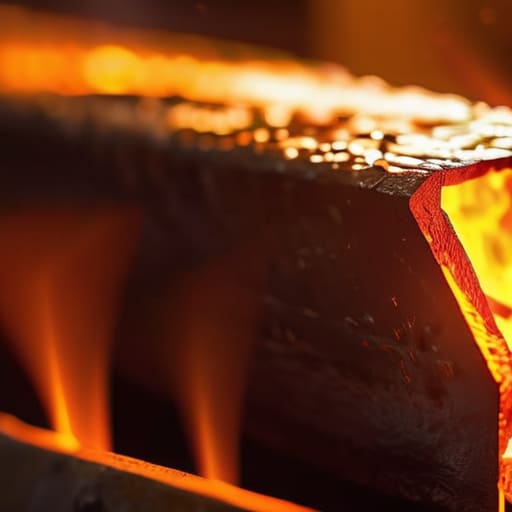
Now, don’t get me wrong—there’s a lot of fancy talk in the textbooks about phase transformation in metals, but when you’re standing over a forge or a furnace, it’s much simpler and much more unforgiving than that. At its heart, the thermal processing of steel is about changing the very soul of the material. You aren’t just warming it up to make it easier to bend; you are fundamentally altering how the atoms sit inside that piece of metal. If you don’t understand that, you’re just playing with fire.
Most folks think you just heat it until it’s glowing red and call it a day. That’s a fast way to end up with a tool that snaps like a dry twig or a blade that won’t hold an edge to save its life. Real work requires hardness and ductility control that comes from knowing exactly when to quench and how long to let it soak. You’re looking for that sweet spot where the metal is tough enough to take a beating but flexible enough to absorb a shock. It takes a steady hand and a lot of patience, but that’s the only way to get it right.
Why Phase Transformation in Metals Cannot Be Rushed
You can’t just shove a piece of steel into a furnace and expect it to behave like a well-trained apprentice. When you’re dealing with phase transformation in metals, you’re essentially negotiating with the very atoms of the material. If you crank the heat too fast or pull it out of the quenching bath before the internal structure has had its say, you’re going to end up with something brittle, unpredictable, and frankly, dangerous. It’s not about following a timer; it’s about understanding that microstructure modification techniques require a steady hand and a lot of patience.
I’ve seen plenty of hobbyists try to skip the soaking stage to save an hour of shop time, only to watch their hard-won project crack right down the middle during the cooling cycle. You aren’t just changing the temperature; you are managing hardness and ductility control at a molecular level. If you rush the transition, you’ll trap internal stresses that no amount of grinding can fix. You have to let the metal settle into its new state, or you’ll find yourself staring at a pile of expensive scrap instead of a tool that actually works.
Five Rules to Keep Your Steel from Cracking Under Pressure
- Watch your soak time like a hawk. You can’t just get the metal hot and think the job is done; you have to let that heat soak all the way through to the core, or you’ll end up with a piece that’s hard on the outside but soft and useless in the middle.
- Respect the quench medium. If you’re using oil, make sure it’s at the right temperature, and don’t go waving the piece around like a madman. A steady, controlled dip is the difference between a tool that holds an edge and a piece of scrap that snapped in the bucket.
- Never skip the tempering stage. I’ve seen too many young lads get excited about how hard their steel got after a quench, only to realize they’ve made something as brittle as glass. You have to draw that hardness back out just enough to give it some soul and some toughness.
- Keep your furnace clean and your temperature readings honest. If you’re relying on a cheap, uncalibrated thermocouple, you’re just guessing, and in my shop, guessing is how you waste expensive material.
- Slow down your cooling. If you’re working with high-carbon steels, don’t just yank them out into the open air the second they hit the target temperature. Let the metal settle and breathe; rushing the cooling process is a one-way ticket to internal stress and cracks you won’t see until it’s too late.
The Bottom Line on Heat Treatment
Respect the temperature; if you try to force the metal to change faster than the physics allow, you’ll end up with cracks or a piece of scrap that’s useless for real work.
Understanding the “why” behind the heat is more important than just following a recipe; you need to know how your specific steel reacts so you aren’t just guessing in the dark.
Patience is your most valuable tool in the shop—rushing the cooling or the tempering process is the quickest way to ruin a perfectly good piece of material.
## The Cost of Impatience
You can’t bully steel into behaving; if you try to force a quench before the metal’s ready or rush the soak, you aren’t just wasting fuel—you’re inviting cracks that’ll ruin a week’s worth of work in a single heartbeat.
Alistair Fenwick
Respect the Metal, Respect the Process
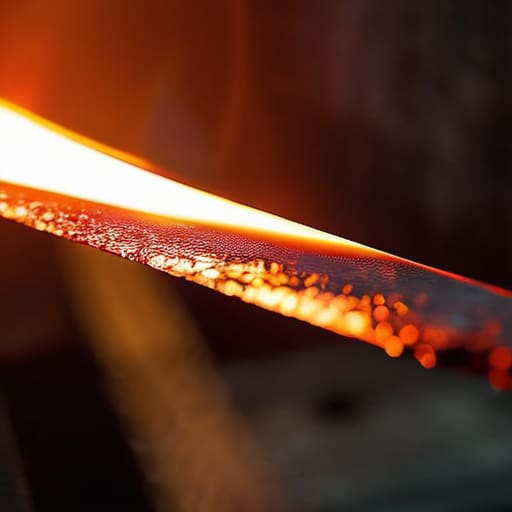
At the end of the day, heat treatment isn’t some magic trick or a way to cheat the physics of the material; it’s a conversation between you and the steel. We’ve talked about why you can’t rush the phase transformations and why treating the metal with a bit of respect during the cooling stage is the difference between a tool that holds an edge and a piece of scrap that snaps under pressure. If you ignore the thermal cycles or try to skip the tempering stage just to save twenty minutes, you aren’t being efficient—you’re just being reckless. You have to understand that the metal dictates the pace, and if you try to force it, you’ll end up paying for it in wasted material and broken tools.
I know it’s tempting to grab the quickest fix when you’re in the middle of a project, but I’m asking you to take a breath and do it right the first time. There is a deep, quiet satisfaction in holding a finished piece of work that you know is structurally sound because you followed the science and the tradition. We aren’t just making things to fill up space; we are building things that will outlast us. So, keep your forge steady, watch your temperatures like a hawk, and remember that true craftsmanship is found in the patience you show when nobody is watching.
Frequently Asked Questions
How do I know if I've quenched the steel too fast and caused it to crack?
If you hear a sharp, metallic “ping” while the piece is still in the oil or just as it hits the bench, that’s the sound of trouble. Usually, a crack shows up as a hairline fracture near the edges or a sudden, slight warp in the geometry. If you’re inspecting a finished piece, look for uneven light reflection across the surface—that’s often a hidden split. If it looks wrong, it probably is.
Can I use a standard kitchen oven for tempering, or do I need a dedicated kiln to get it right?
Look, I’ve seen folks try it, and I’ll tell you straight: don’t go turning your wife’s kitchen oven into a workshop tool. A kitchen oven is designed to bake bread, not manage precise thermal cycles. The temperature swings are too wide, and you’ll never get the steady, even soak needed for a proper temper. If you’re serious about the metal, get a small dedicated kiln. Precision isn’t a luxury; it’s the job.
What's the best way to tell if my metal has reached the right temperature without a fancy digital pyrometer?
If you haven’t got a pyrometer, you’ve got your eyes and a bit of intuition. I always rely on the color. You need to learn the spectrum—from that dull, dark red to the bright cherry that signals it’s ready for the quench. Don’t trust a single glance, though; watch how the color shifts as the metal breathes. If you’re unsure, a quick touch with a magnet can tell you if you’ve hit the critical point.
