I remember a Tuesday back in ’84, working a heavy fabrication job on a custom chassis. I was reaching for a pair of pliers I’d picked up from a big-box hardware store just because they looked shiny and cost next to nothing. Halfway through a tight bend, the jaws slipped, the tool snapped, and I ended up with a bruised knuckle and a piece of scrap metal that was ruined for good. It’s a frustrating lesson, but it taught me one thing: cheap metalwork pliers are nothing more than expensive landfill waiting to happen. You can’t fight the physics of steel with tools made of soft, recycled junk.
I’m not here to sell you on some high-tech, overpriced gadget that promises the world but fails under actual pressure. Instead, I’m going to walk you through what you actually need to look for in a pair of pliers that can stand the heat of a real workshop. I’ll show you how to spot quality in the grip, the leverage, and the steel grade so you can stop wasting money on disposables. We’re going to focus on tools that are built to last, because in this shop, we do things the right way the first time.
Table of Contents
Investing in Hardened Steel Pliers Durability
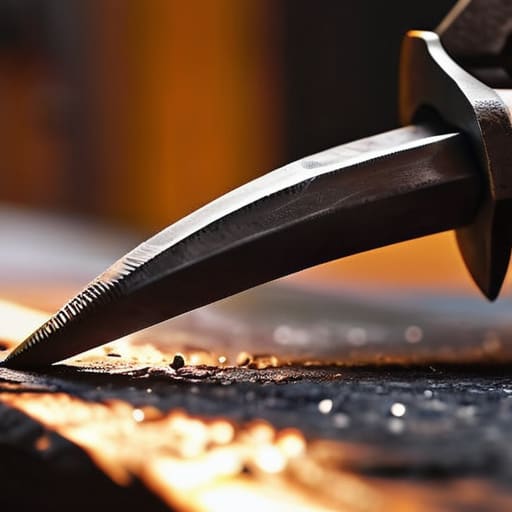
When you’re standing over a workbench, the last thing you want is to feel the jaws of your tool spreading apart under pressure. I’ve seen too many young lads buy a cheap set of pliers thinking they’re saving a few dollars, only to have the teeth flatten out after a single afternoon of real work. If you’re serious about your craft, you have to prioritize hardened steel pliers durability. You want something that’s been heat-treated properly so the metal holds its edge and its shape, even when you’re putting some real muscle into a bend.
It isn’t just about strength, though; it’s about how the tool handles the stress over time. Cheap alloys tend to become brittle or, worse, they just bend like tin. In my shop, I always tell people that these are workshop hand tool essentials that should be treated like an investment, not a consumable. If you buy a pair that’s built to last, they’ll be in your toolbox long after the cheap stuff has ended up in the scrap bin. Don’t settle for anything less than steel that can actually take a beating.
Workshop Hand Tool Essentials for Real Builders
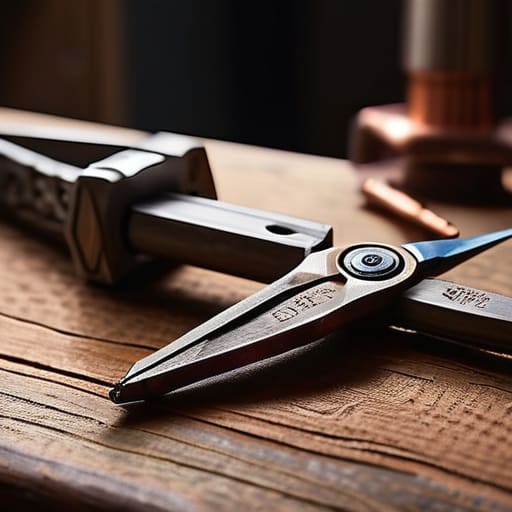
Now, don’t go thinking a single pair of pliers is going to solve every problem that walks into your shop. If you’re serious about building things that hold up, you need to understand that different tasks demand different leverage. I’ve seen too many young fellas try to use a standard pair of slip-joint pliers to force a heavy gauge wire, only to end up with nothing but a broken tool and a bruised knuckle. You need a proper kit of workshop hand tool essentials that covers the spectrum from heavy-duty gripping to the finer stuff.
When you’re working on delicate repairs or smaller components, you might find yourself reaching for something closer to precision metalworking tools rather than the heavy-duty stuff I usually keep on the bench. It’s not just about the strength of the steel, though; it’s about the geometry of the tool. If the jaws aren’t shaped correctly for the specific bend or pull you’re attempting, you’re just going to mar the surface of your workpiece. Invest in a variety of shapes—needle nose, linesman, and specialized bending tools—and you’ll find that you spend less time fighting the material and more time actually shaping it.
Five Things to Look For Before You Lay Down Your Cash
- Check the pivot point. If it feels loose or wobbles when you first pick them up, they’re going to be a nightmare once you’re halfway through a job and the metal starts resisting. You want a joint that’s tight and smooth, not one that plays like a cheap toy.
- Look for the heat treatment. Don’t just take the packaging’s word for it. If the steel looks soft or poorly finished, it’ll lose its temper the first time it gets near a forge or a hot workpiece. You need pliers that stay hard even when the temperature rises.
- Mind the serrations. Some of these modern, cheap pliers have teeth so shallow they might as well be smooth. If you’re trying to get a grip on a piece of heavy-gauge sheet or a stubborn bolt, you need deep, aggressive grooves that won’t slip and mar your work.
- Test the leverage. A good pair of pliers shouldn’t require you to use your whole shoulder just to close them. The geometry should work with you, providing enough mechanical advantage to bite into the metal without straining your wrists.
- Avoid the “one size fits all” trap. I’ve seen plenty of beginners try to use needle-nose pliers for heavy-duty fabrication. It’s a recipe for a broken tool and a frustrated afternoon. Get the specific shape for the task—be it slip-joint, linesman, or specialized pliers—and stick to it.
The Bottom Line for Your Toolbox
Stop wasting money on those flimsy, stamped-metal pliers you find in a bargain bin; if the steel isn’t properly hardened, you’re just buying a future trip to the scrap heap.
Match the tool to the job, whether that’s needle-nose for delicate tension or heavy-duty linesman pliers for structural work—using the wrong one is the quickest way to mar your workpiece.
Treat your tools with respect by cleaning them after a session and keeping them oiled, because a well-maintained pair of pliers will outlive you if you don’t let them rust in a damp corner.
## The Cost of a Cheap Grip
“I’ve seen too many young lads ruin a perfectly good piece of stock because they were using a pair of pliers that skipped or slipped the moment the metal got hot. A real set of pliers shouldn’t just hold your material; they should feel like an extension of your own hand, giving you the confidence to pull, twist, and bend without worrying that the tool is going to fail you right when the job gets serious.”
Alistair Fenwick
Choosing Tools That Stand the Test of Time
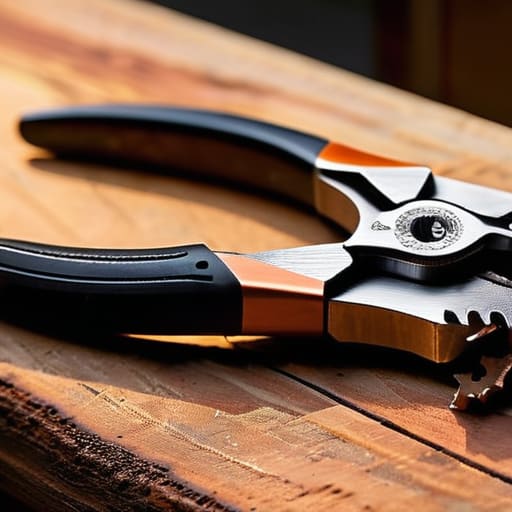
At the end of the day, picking out the right pliers isn’t about finding the flashiest set in a catalog; it’s about recognizing the difference between a tool that works for a week and one that works for a lifetime. We’ve talked about why you can’t skimp on hardened steel and why having the right grip for the specific job is the difference between a clean bend and a ruined piece of stock. If you invest in quality, you aren’t just buying a piece of hardware—you’re buying the certainty that when you’re halfway through a complex fabrication, your tools won’t fail you. Don’t settle for the cheap stuff just to save a few bucks today, because you’ll end up paying for it in frustration and wasted material tomorrow.
My advice to you is simple: treat your tools with the same respect you give your work. A well-maintained pair of pliers becomes an extension of your own hand, something you can rely on blindly in the heat of the moment. There is a certain kind of satisfaction that comes from using a tool that has developed a bit of a patina in your shop, knowing it’s seen as much work as you have. Build things right, use tools that can handle the strain, and remember that the goal isn’t just to finish the job—it’s to leave something behind that was made with true precision and purpose.
Frequently Asked Questions
How can I tell if the pliers I'm looking at are actually high-carbon steel or just cheap mild steel with a fake coating?
Look, a shiny finish is a liar. I’ve seen plenty of cheap mild steel tools plated in chrome to look like the real deal. To tell the difference, look at the weight and the teeth. High-carbon steel feels substantial, not hollow. More importantly, check the edges; if you try to grip a piece of scrap and the teeth immediately flatten or slip, you’re holding junk. Real hardened steel bites deep and stays sharp.
Is it worth spending the extra money on specialized needle-nose pliers, or will a standard pair of linesman pliers get the job done for most repairs?
Look, if you’re just twisting a bit of copper wire, those heavy linesman pliers will do fine. But if you’re trying to reach into a tight corner of a gearbox or steady a small component while you’re welding, you’ll find yourself fighting your own hands with the big stuff. Specialized needle-nose pliers aren’t a luxury; they’re about precision. Don’t waste time struggling with a tool that’s too blunt for the job at hand.
What's the best way to maintain the pivot point on my pliers so they don't seize up after a few months of working in a dusty shop?
Listen, if you’re working in a dusty shop, you can’t just set those pliers down and forget about them. Dust and metal filings act like sandpaper inside that pivot, grinding away your precision. Every few weeks, give the joint a quick blast with some compressed air to clear the grit. Then, apply a single drop of high-quality machine oil—not that thick, sticky stuff—and work the handles until it moves smooth as silk. Keep it clean, keep it oiled, and they’ll last a lifetime.
