I remember sitting in my old shop back in the nineties, staring at a set of high-end calipers that had been ruined because some kid thought a quick wipe with a greasy rag was enough. The smell of ozone and burnt oil was heavy in the air, but all I could focus on was the pitting on that expensive steel. People today seem to think you can just buy your way into craftsmanship with shiny, overpriced kits, but they completely ignore the reality of metalwork tool maintenance. You can spend a fortune on the finest German steel, but if you don’t respect the way moisture and grit fight against your gear every single day, you’re just throwing money into a scrap bin.
I’m not here to sell you on some fancy, multi-step chemical regimen or some expensive gadget you’ll lose in a week. I’m going to show you the straightforward, honest ways to keep your equipment sharp, true, and ready to work. We’re going to talk about the habits that actually matter—the kind of stuff I learned the hard way over forty years of fabrication. If you want to stop fighting your tools and start actually shaping your metal, you’ll want to listen close.
Table of Contents
Preventing Rust on Metal Tools Before They Fail You
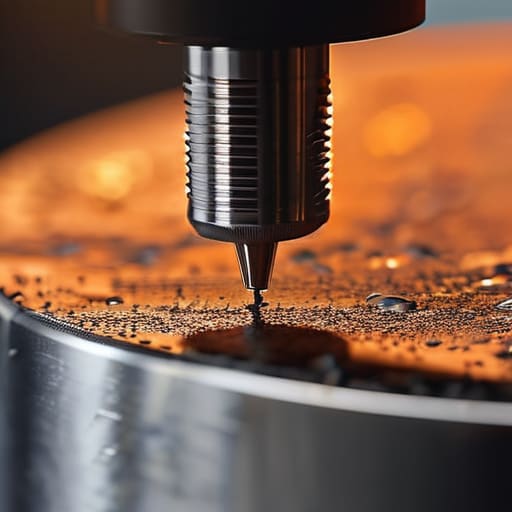
Rust doesn’t just sit on the surface; it eats away at the integrity of your steel while you aren’t looking. If you leave your calipers or micrometers sitting out in a damp shop, you aren’t just looking at a bit of orange staining—you’re risking your accuracy. When it comes to maintaining precision measuring instruments, you have to be even more disciplined than you are with a heavy hammer. A single speck of oxidation on a measuring face can throw your entire project out of tolerance, and once that pitting sets in, there’s no going back without a lot of tedious grinding.
I’ve learned the hard way that the best defense is a good offense. I make it a habit to wipe down every tool before it goes back into its case, using a light coat of oil to create a barrier. Proper metalworking tool lubrication techniques aren’t just about making things slide easier during a cut; they are about creating a shield against the air itself. Don’t wait until you see a patch of corrosion to act. If you treat your gear with a bit of respect every single evening, it’ll be there for you when the real work begins.
Restoring Old Metalworking Tools to Their Former Glory
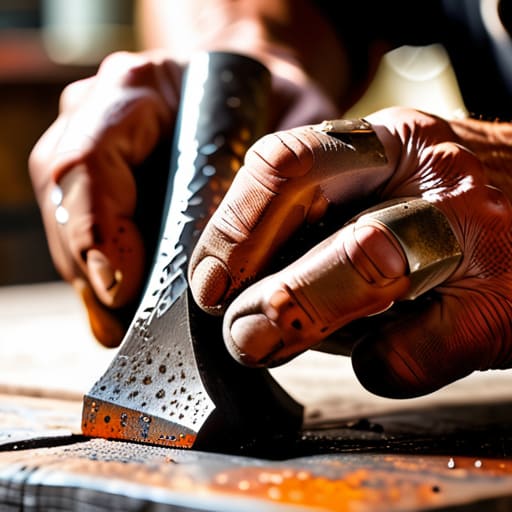
When you pull a rusted, pitted hammer or a seized vise out of a damp corner of the shed, don’t go reaching for the grinder right away. You’ll likely strip away more good metal than sense. I’ve learned the hard way that restoring old metalworking tools requires a bit of patience and a lot of elbow grease. Start with a good soak in a penetrant or even just some white vinegar to break down that crusty oxidation. Once the heavy grime is loosened, grab a fine-grade abrasive and work with the grain, not against it. You aren’t trying to make it look like it just came off the showroom floor; you’re trying to bring back the functional integrity of the tool.
Once you’ve got the surface clean, you need to address the moving parts. If you’re working on something with a mechanism, like a pair of calipers or a bench vise, you can’t just slap grease on it and call it a day. You need to look into specific metalworking tool lubrication techniques that won’t attract grit and turn into a grinding paste. A light coat of machine oil on the flats of a chisel or a drop of high-quality oil in a pivot point goes a long way. If you treat the metal with respect during the cleanup, it’ll reward you by working just as well today as it did forty years ago.
Five Ways to Keep Your Gear from Becoming Scrap
- Keep your edges sharp, but don’t go hacking away at them. A dull tool is a dangerous tool because you’ll end up using more force than necessary, and that’s when you slip and lose a finger or ruin the workpiece. Take the time to hone your chisels and blades regularly; a little bit of steady work on the whetstone saves a lot of sweat in the shop.
- Watch your handles like a hawk. Whether it’s a wooden mallet or a pair of pliers, a cracked or loose handle is a recipe for disaster. I always check my grips before I start a heavy session. If the wood is splintering or the connection feels loose, sand it down or replace it immediately. Don’t wait until the head flies off mid-swing.
- Don’t ignore the grit. Metal dust and fine shavings have a nasty habit of working their way into the moving parts of your grinders, shears, or even your vise. If you let that grit build up, it’ll act like sandpaper on your precision surfaces, wearing them down far faster than they ought to go. Blow it out or brush it off after every single job.
- Lubrication isn’t just for the machines; it’s for the joints, too. Those pliers, snips, and adjustable wrenches need a light coat of oil on the pivot points every now and then. If you hear a squeak or feel a hitch when you’re trying to squeeze, that’s the tool telling you it’s struggling. A drop of oil goes a long way in keeping things moving smooth.
- Organize your workspace so you aren’t hunting for tools in a pile of junk. When you toss your tools into a heavy bin at the end of the day, you’re asking for nicks, scratches, and bent edges. Hang them up or lay them out in a way that they aren’t banging against each other. A tool that’s treated with respect stays accurate, and an accurate tool makes for a better job.
The Bottom Line on Keeping Your Shop Ready
Don’t wait for a tool to fail or a blade to pit before you act; a few minutes of cleaning and oiling after every session saves you hours of grinding and regret later on.
Respect the material and the tool equally, because if you treat your equipment like disposable junk, it’ll start performing like it.
Invest your time in learning the right way to restore a tool rather than just slapping a coat of paint over the damage, because a tool that isn’t true is just a piece of scrap metal.
## The Cost of Neglect
You can buy the most expensive hammer in the shop, but if you treat it like a piece of scrap, it’ll perform like one; a tool is only as reliable as the respect you show it when the work is done.
Alistair Fenwick
The Long Game in the Workshop
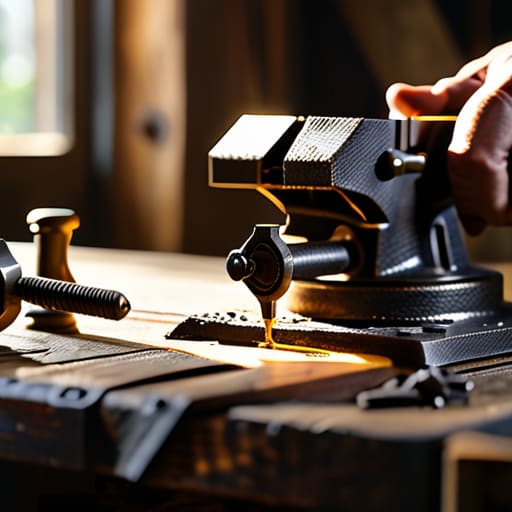
At the end of the day, maintaining your tools isn’t some extra chore you tack on when you’re feeling productive; it’s the foundation of the work itself. Whether you’re fighting off oxidation before it takes hold or spending a Saturday afternoon breathing life back into a pitted, rusted vise, you’re doing more than just cleaning metal. You’re ensuring that when you finally strike that anvil or set that weld, your equipment won’t be the thing that lets you down. If you take the time to respect the steel and keep your edges sharp and your surfaces oiled, you’ll find that the tools start working with you rather than against you. It’s about eliminating the friction between your hands and your craft.
I’ve seen too many young folks walk into a shop and reach for the newest, flashiest power tool without knowing the first thing about how to care for it. They treat gear like it’s disposable, but in my shop, we don’t do disposable. When you learn to maintain what you own, you develop a different kind of relationship with your workshop. You start to realize that a well-kept tool is a legacy, something that can be passed down through generations if you treat it right. So, don’t be in such a hurry to finish the project that you forget the prep. Build it to last, and for heaven’s sake, take care of your gear, and it’ll take care of you.
Frequently Asked Questions
What’s the best way to deal with deep pitting in an old hammer face without ruining the temper?
Now, you have to be careful here. If you start grinding away at that face like you’re sanding a piece of pine, you’ll burn through the hardened steel and hit the soft core in no time. Once you lose that temper, the hammer’s useless. Use a fine-grit file or a small abrasive stone to work the pits out slowly. Take your time. If you feel the metal getting hot to the touch, stop. Let it cool.
Should I be using mineral oil or something heavier like grease to protect my tools during a long winter in the shop?
If you’re just tucking them away for a few weeks, a light coat of mineral oil is plenty. But if you’re looking at a long, damp winter where the shop temperature is going to drop and the humidity creeps up, go with something heavier. A thin layer of paste wax or even a bit of heavy grease on the non-working surfaces will create a much better barrier. Don’t let a little moisture turn your investment into a pile of orange flakes.
How can I tell if a tool's edge is actually dull, or if I'm just fighting the wrong angle while sharpening?
You can tell the difference by how the tool behaves under load. If you’re pushing hard and the metal is just sliding or “skating” across the surface without biting, your edge is blunt. But if the tool is digging in too deep or feels like it’s constantly trying to dive, you’ve got the wrong angle. Stop fighting the material. Test it on a scrap piece of soft pine first; if it tears rather than slices, you’re fighting the geometry, not the sharpness.
