I remember a Tuesday back in ’84, working a heavy industrial contract in a shop that smelled of ozone and burnt cutting oil. I was watching a young kid—bright enough, but impatient—try to force a high-speed bit through a thick slab of tool steel. The machine screamed, the bit turned cherry red, and within seconds, he’d ruined a perfectly good piece of stock and a brand-new bit. That’s the problem with how people approach drill press operation these days; they treat the machine like a glorified hand drill and expect the metal to just give up. They think more pressure and more speed will get the job done faster, but in my experience, speed is just a shortcut to a broken tool.
I’m not here to sell you on some fancy, computerized setup or a list of expensive gadgets you don’t need. I want to teach you how to actually listen to the machine and respect the material you’re working with. I’ll be sharing the honest, hard-earned lessons I’ve picked up over forty years in the trade, focusing on the steady, methodical techniques that ensure every hole is clean and every bit stays sharp. We’re going to do this the right way, because precision takes patience, and I’d much rather you spend an extra minute setting up than an hour fixing a mistake.
Table of Contents
- Prioritizing Drill Press Safety Precautions and Workpiece Stability
- Drilling Different Materials Without Rushing the Bit
- Five Rules to Keep Your Holes Straight and Your Bits Sharp
- Three Rules to Keep Your Work Clean and Your Bits Sharp
- ## The Cost of a Rushed Hole
- Respect the Tool, Respect the Craft
- Frequently Asked Questions
Prioritizing Drill Press Safety Precautions and Workpiece Stability
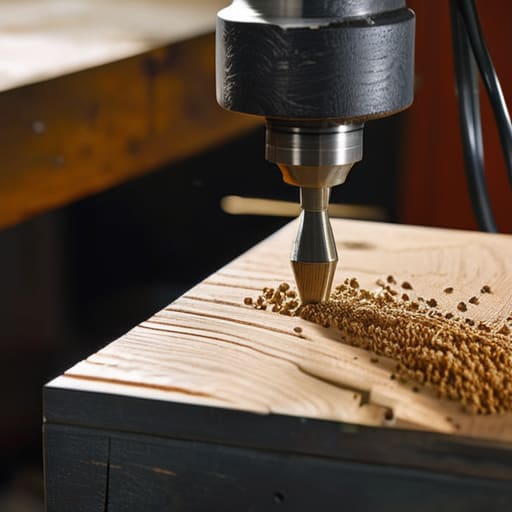
Before you even think about flipping that power switch, you need to get your head in the game. I’ve seen too many young fellas treat a drill press like a handheld tool, and that’s a quick way to lose a finger or ruin a perfectly good piece of stock. The most important thing you can do is ensure proper workpiece stability. Never, and I mean never, try to hold a small part with your bare hands while drilling. If that bit catches an edge, it’ll spin that metal right out of your grip like a projectile. Always use a drill press vise or heavy-duty clamps to secure your material to the table. If it isn’t bolted down or clamped tight, you aren’t working; you’re just gambling.
Once you’ve got your setup secured, pay attention to your drill press safety precautions regarding your physical stance and surroundings. Clear away the metal shavings—don’t use your hands to brush them off, use a stiff brush or a vacuum. Also, keep a sharp eye on your adjusting feed rate as you go. If you push too hard and force the bit, you’re asking for a snapped tool or a seized motor. Slow and steady wins the race every single time.
Drilling Different Materials Without Rushing the Bit
Once you’ve got your workpiece clamped tight and your safety gear on, the real test begins when you actually touch bit to metal. You can’t treat a piece of soft aluminum the same way you treat a length of hardened tool steel. When I’m drilling different materials, the biggest mistake I see is folks trying to force the issue. If you’re working with something tough, you need to slow down. That means adjusting feed rate to ensure you aren’t just rubbing the tip of the bit against the metal, which generates heat and kills your cutting edge before you’ve even made a dent.
For harder alloys, don’t be afraid to use a little help. I always keep a tin of cutting oil nearby; proper drill press lubrication techniques make all the difference in keeping the temperature down and the chip flowing. If you try to dry-drill through heavy stock, you’re just asking for a burnt bit and a ruined project. Take it slow, listen to the machine, and if it starts screaming, you’re pushing too hard. Patience pays off in a clean hole every single time.
Five Rules to Keep Your Holes Straight and Your Bits Sharp
- Stop relying on your hands to hold the work. If you aren’t using clamps or a vise to secure that piece of stock to the table, you’re just asking for a slip that’ll ruin the metal—or worse, your fingers.
- Listen to the machine. A good drill press should hum, not scream. If you hear a high-pitched screeching, you’re either running the speed too high for that bit size or you aren’t feeding it enough pressure.
- Don’t forget the lubricant. I don’t care if you’re working with soft aluminum or something a bit tougher; a little cutting oil goes a long way in keeping the heat down and preventing the bit from welding itself to the workpiece.
- Clear the chips frequently. Don’t let a pile of metal shavings build up around your workpiece. Use a brush—never your bare hands—to sweep them away so you can actually see the hole you’re making and keep the table clean.
- Check your depth before you commit. If you’re drilling a blind hole, use a depth stop. I’ve seen too many young fellas blow right through the bottom of a piece because they thought they could just “feel” when it was deep enough.
Three Rules to Keep Your Work Clean and Your Bits Sharp
Never trust a loose workpiece; if it isn’t clamped down tight or held in a proper vise, you’re just asking for a bent bit or a trip to the emergency room.
Watch your speed and listen to the metal—if you hear a high-pitched scream or see the metal getting too hot to touch, you’re rushing the bit and wasting good material.
Treat your tools with respect by cleaning the table and checking your drill bits after every job, because a dull bit is just a way to turn a good piece of stock into scrap.
## The Cost of a Rushed Hole
“A drill press isn’t just a tool for making holes; it’s a test of your patience. If you try to force the bit through the metal with sheer speed instead of steady pressure and the right RPM, you aren’t working the machine—the machine is working you, and it’ll leave you with nothing but a ruined workpiece and a broken bit.”
Alistair Fenwick
Respect the Tool, Respect the Craft
At the end of the day, running a drill press isn’t about how fast you can punch holes through a sheet of steel; it’s about the control you maintain from the moment you clamp that workpiece down to the second the bit clears the bottom. We’ve talked about securing your stock so it doesn’t spin and catch your hand, adjusting your speeds for the specific metal in front of you, and most importantly, never rushing the bit. If you ignore the heat or try to force a dull tool through hard stock, you aren’t just wasting a drill bit—you’re wasting your time and your materials. Keep your workspace clean, keep your eyes on the point of contact, and listen to what the machine is telling you.
There is a certain kind of satisfaction that comes from looking at a clean, precise hole that you drilled yourself, knowing it was done right the first time. In a world that seems obsessed with buying something new the second it shows a bit of wear, I hope you take the time to master these fundamental skills. Taking the extra minute to set your depth or check your alignment might seem tedious to some, but that is exactly what separates a hobbyist from a craftsman. Build things that last, work with patience, and remember that the machine is only as good as the person standing behind it.
Frequently Asked Questions
How do I know if I'm using the right spindle speed for a specific thickness of steel?
Look, there isn’t a magic chart that’ll give you a perfect answer every time, but there’s a rule of thumb: the thicker the steel, the slower you need to go. If you’re working with heavy plate, slow that spindle down. If you try to scream through thick stock at high speeds, you’ll just burn up your bit and ruin the temper of the metal. Listen to the machine—if it’s screaming, slow it down.
What's the best way to keep my drill bits from burning up when I'm working with harder alloys?
The secret is managing your heat, plain and simple. When you’re tackling harder alloys, you can’t just force it. Use plenty of cutting oil to keep things lubricated and pull the bit back every few seconds to clear the chips; if those chips get packed in there, they’ll cook your bit alive. Slow your feed rate and let the tool do the work. If you see smoke, you’re moving too fast.
When should I stop using a hand clamp and switch to a proper drill press vise for stability?
If you’re just drilling a small pilot hole in a thin scrap of mild steel, a hand clamp will do the job. But the second you move to anything thicker, or if you’re using a larger bit that’s prone to grabbing, you put that clamp away. If you feel the workpiece even slightly wanting to twist or “walk” under the pressure, you’re asking for trouble. Get it in a proper vise. Stability isn’t optional.
