I remember a Tuesday back in ’84, working a heavy fabrication job in a shop that smelled of ozone and burnt oil. I was wearing one of those flimsy, canvas-style aprons that some supplier swore was “industrial grade,” only to have a stray spark from the grinder slice right through the fabric like it was wet paper. It didn’t just ruin my shirt; it left a stinging reminder that cheap gear is a liability you can’t afford. Nowadays, you can walk into any big-box store and see a dozen different metalworking aprons lined up, most of them looking more like fashion accessories than actual protection. They’re filled with marketing jargon and fancy buckles, but they lack the grit required for a real day’s work.
I’m not here to sell you on some overpriced brand name or tell you that you need a high-tech tactical vest to strike an anvil. What I’m going to do is cut through the noise and tell you exactly what to look for in gear that actually stands up to the heat. I’ll show you which materials won’t disintegrate after a month of sparks and how to spot the difference between a real tool and a piece of junk.
Table of Contents
Heavy Duty Leather Apron Benefits You Cant Ignore
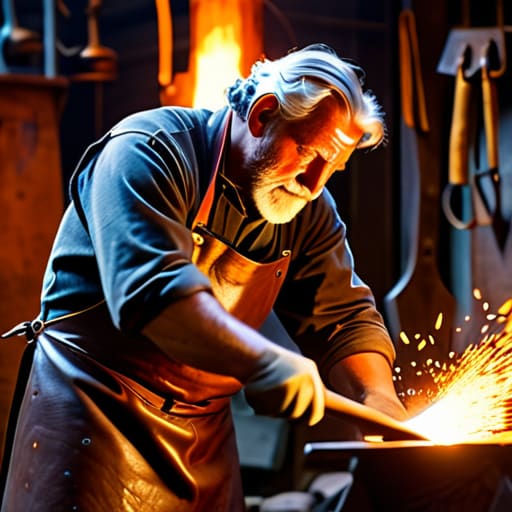
Now, I’ve seen plenty of folks try to save a few dollars by grabbing some thin, synthetic fabric from a big-box store, thinking it’ll do the trick. That’s a mistake you only make once. When you’re standing over a forge or working a steady bead, you need something that won’t melt to your skin the moment a stray spark flies. This is where the heavy duty leather apron benefits really show themselves. Real leather acts as a natural barrier; it doesn’t just sit there, it absorbs the brunt of the heat and provides a layer of security that fabric simply can’t match.
Beyond just the heat, you have to consider the physical debris. In my shop, it isn’t just about the glow of the metal; it’s the constant spray of hot scale and flying slag. Using a high-quality heat resistant apron material means you aren’t constantly flinching every time a spark hits your chest. It gives you the confidence to focus on your strike or your weld rather than worrying about a hole burning through your clothes. It’s about having proper protection that stays between you and the danger, allowing you to work steady and slow.
Finding the Right Heat Resistant Apron Material
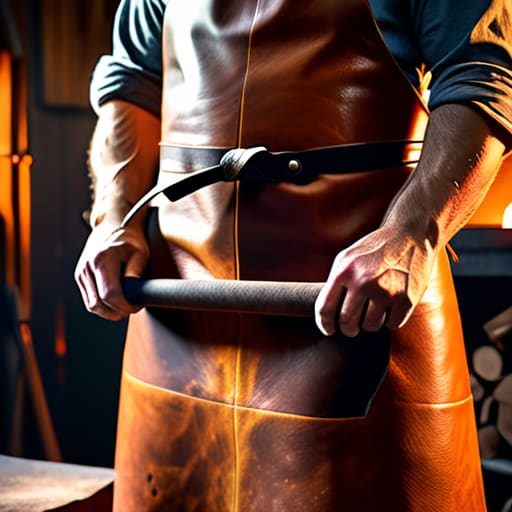
When you’re standing in front of a forge or a welding bench, the material you choose isn’t just about comfort—it’s your first line of defense. If you’re looking for the best heat resistant apron material, you’ll find that heavy-duty split cowhide is the gold standard for a reason. It doesn’t just sit there; it acts as a barrier against the radiant heat that tries to soak through to your skin. I’ve seen too many fellas try to save a few bucks on thin, synthetic blends, only to watch them melt or catch a spark halfway through a job.
For those of us doing more fine-tuned work, like TIG welding or light fabrication, you might lean toward specialized spatter resistant workwear. While heavy leather is king for the blacksmith, a lighter, treated cotton or a high-grade Kevlar blend can be useful when you need more mobility without sacrificing your safety. Whatever you pick, make sure it’s designed to handle the specific grit of your shop. You want protective gear for blacksmithing that feels like a second skin, not a heavy weight that makes you want to quit before the workday is even done.
Five Rules for Choosing Gear That Won't Quit on You
- Check the stitching before you ever strike an arc. If a manufacturer is using thin, nylon thread that looks like it belongs on a summer shirt, that apron is going to unravel the first time a stray spark hits it. You want heavy-duty, waxed thread that can handle the tension and the heat.
- Don’t get fancy with too many pockets. I’ve seen guys buy aprons with a dozen little slots for gadgets, but in a real shop, those pockets just collect metal shavings and grit that’ll scratch your skin raw. Stick to one or two deep, reinforced pockets for the essentials—maybe your calipers or a small notebook—and leave the rest.
- Pay attention to how the straps sit on your shoulders. If the weight is all pulling on your neck, you’re going to be miserable by noon, and a tired man is a man who makes mistakes. Look for wide, leather cross-back straps that distribute the weight across your shoulders rather than digging into your traps.
- Make sure the length is practical, not just decorative. You want enough coverage to protect your thighs when you’re leaning over a grinder or a welding bench, but if it’s hanging down past your knees, you’re going to be tripping over your own feet or catching it in your stool.
- Test the flexibility. A good leather apron should feel like a second skin after a week of use, not like you’re wearing a suit of armor. If the material is so stiff that you can’t bend over to pick up a dropped bolt without fighting the leather, it’s going to be more of a hindrance than a help.
The Bottom Line Before You Strike
Don’t be fooled by cheap canvas or thin synthetics; if you’re working near a forge or a grinder, you need heavy-duty leather that actually offers a barrier between you and the sparks.
A good apron should be more than just protection; it needs to be a tool in itself, with enough weight to stay put and pockets that don’t rip the first time you slide a scribe or a piece of sandpaper into them.
Invest in quality gear once rather than buying three flimsy ones that’ll end up in the scrap bin by next season—real craftsmanship starts with respecting the tools and the gear that keeps you safe.
More Than Just a Piece of Leather
A decent apron isn’t a fashion statement or an afterthought; it’s the first line of defense between your skin and a stray spark or a hot shaving of steel. If you’re serious about the craft, you don’t buy an apron to look the part—you buy it so you can focus on the weld without constantly worrying about your clothes catching fire.
Alistair Fenwick
Making the Right Call for Your Shop
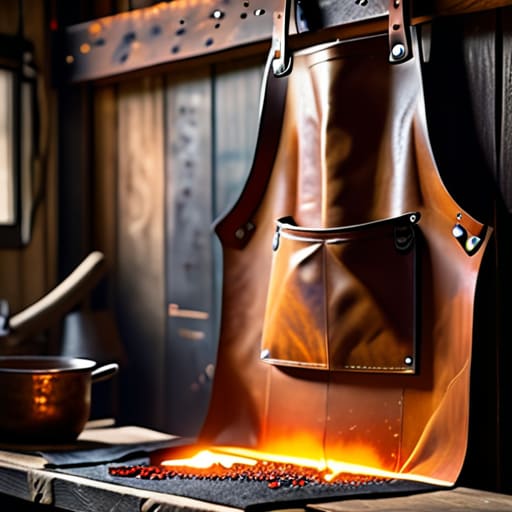
At the end of the day, picking out an apron isn’t about looking the part or buying the most expensive piece of gear on the shelf. It’s about understanding the specific threats sitting on your workbench, whether that’s a spray of hot scale from the grinder or a stray spark from the forge. You’ve got to weigh the protection of heavy-duty leather against the need for mobility, and you better make sure whatever you settle on is built to withstand the grit and heat of a real working day. Don’t be the person who realizes their gear is inadequate only when a stray ember finds its way through a cheap seam. Invest in something that actually stands up to the job, because your skin is a lot harder to repair than a piece of scrap steel.
I’ve spent a lifetime in shops, and if there’s one thing I’ve learned, it’s that the tools you use to protect yourself are just as important as the ones you use to shape the metal. Taking care of your gear shows you respect the craft and, more importantly, you respect yourself. We aren’t out here to make things fast; we’re out here to make things right. So, take your time, choose your apron with intention, and then get back to the anvil. When you’re properly geared up, you can stop worrying about the distractions and finally focus on the patience and precision that real metalwork demands.
Frequently Asked Questions
How do I know if a leather apron is thick enough to actually stop sparks without getting brittle and cracking after a few months?
You’re looking for the sweet spot between protection and flexibility. For real spark protection, you want a heavy-weight cowhide—aim for at least 2.5 to 3 ounces in thickness. If it feels like cardboard right out of the box, it’s too stiff and will crack once it dries out. A good sign is a slight natural oiliness to the grain; that’s what keeps the leather supple enough to move with you without splitting under heat.
Is it worth spending the extra money on a heavy-duty waxed canvas, or should I just stick to traditional cowhide for welding and grinding?
Look, if you’re spending your day under the hood welding or standing over a grinder, stick with the cowhide. Waxed canvas is a fine material for a carpenter or a woodworker, but it’s not meant for sparks and slag. It’ll scorch or even catch if you aren’t careful. For real metalwork, you want the thickness and the fire-resistance of leather. It’s an investment, sure, but it’ll protect your skin better than any canvas ever could.
How do I clean my apron once it gets covered in metal dust and oil without ruining the protective finish?
Don’t go tossing a good leather apron into a washing machine; that’s the quickest way to turn a piece of gear into a stiff, useless rag. For metal dust, use a stiff nylon brush to knock the grit off while it’s dry. If you’ve got oil stains, a bit of mild saddle soap and a damp cloth will do the trick. Just don’t soak it—let it air dry away from the heat.
