I remember standing over a heavy workbench back in ’84, staring at a piece of high-grade tool steel that I’d just ruined because I trusted a cheap, knocked-off caliper. The smell of scorched oil and the sight of a part that was half a millimeter out of spec is a memory that still stings. Most folks today think they can just buy a fancy digital readout and call themselves craftsmen, but they’re missing the point. Getting your metalworking measurements right isn’t about having the most expensive gadget in the shop; it’s about understanding the relationship between your tool, your eye, and the material itself.
I’m not here to sell you on some overpriced, computerized nonsense or a complicated manual that reads like a textbook. What I’m going to give you is the straight truth from forty years of making and fixing things. I’ll show you how to read your tools, how to account for the way metal moves when it gets hot, and how to ensure your numbers are dead-on before you ever strike an arc. We’re going to focus on precision through patience, so you stop wasting good steel and start building things that actually last.
Table of Contents
- Micrometer vs Calipers Usage Choosing the Right Tool for the Job
- Reading Vernier Scales Without Wasting Good Steel
- Five Ways to Stop Guessing and Start Measuring
- Bottom Line: Don't Let Your Measurements Cost You Your Material
- The Cost of a Guess
- Precision is a Habit, Not a Chore
- Frequently Asked Questions
Micrometer vs Calipers Usage Choosing the Right Tool for the Job
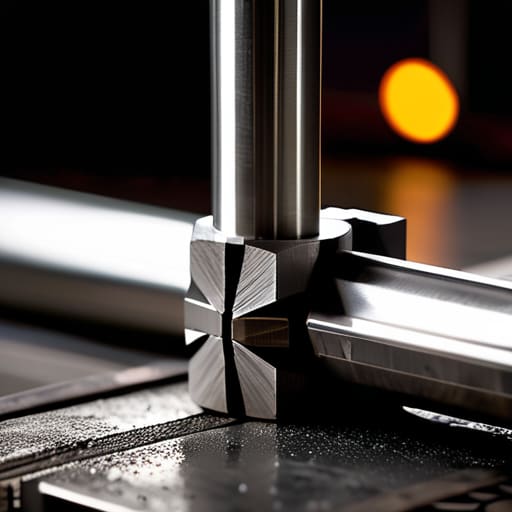
Now, don’t go thinking a pair of calipers is a magic wand that solves every problem in the shop. I’ve seen plenty of young fellas try to use a standard digital caliper to check the diameter of a precision-ground shaft, only to find out their fit is loose as a broken hinge. Calipers are your bread and butter for quick checks, depths, and step measurements. They’re fast and versatile, but they lack the absolute certainty you need when you’re working within tight machining tolerance standards. If you’re just checking if a piece of scrap is roughly an inch thick, the calipers are fine.
But when you move into the territory of fine restoration or fitting a bearing into a housing, you need to put the calipers down and pick up a micrometer. The difference in micrometer vs calipers usage comes down to how you apply pressure. A caliper relies on your hand, which can be inconsistent, whereas a micrometer uses a fine-threaded screw and a ratchet stop to ensure you aren’t squeezing the part too hard. If you want to stop guessing and start knowing, you have to master those precision measurement instruments. It takes a bit more patience, but it’s the only way to ensure the job is done right the first time.
Reading Vernier Scales Without Wasting Good Steel
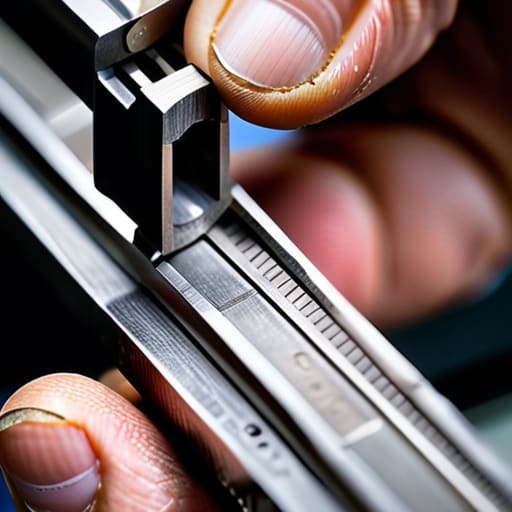
Now, I’ve seen plenty of young lads walk into a shop, grab a tool, and start guessing because they can’t make sense of the lines. If you’re trying to hit tight machining tolerance standards, you can’t afford to eyeball it. Reading vernier scales isn’t some magic trick; it’s just about training your eyes to find where those tiny graduation marks line up perfectly with the main scale. If you’re off by even a hair because you rushed the reading, you’re going to end up with a part that fits like a loose tooth.
When you’re working with these precision measurement instruments, take a second to actually look at the scale before you commit to a cut. I always tell my apprentices to squint if they have to, but don’t move that workpiece until you’re certain. If the lines are even slightly staggered, you haven’t found your zero point yet. It might feel like you’re wasting time, but I’d much rather spend an extra minute squinting at a scale than an hour grinding down a ruined piece of expensive alloy.
Five Ways to Stop Guessing and Start Measuring
- Clean your tools and your workpiece every single time. I’ve seen more mistakes caused by a thin film of oil or a stray metal chip than by actual bad math. If there’s grit between your caliper and the steel, your reading is a lie.
- Stop relying on your eyes and start using your hands. You can look at a piece of stock all day, but until you feel the tension on the micrometer or the seat of the calipers, you’re just guessing. Trust the tool, not your gut.
- Learn to account for temperature. If you’re measuring something straight out of a heated forge or a heavy milling operation, it’s going to shrink the second it hits the bench. If you don’t let it stabilize, your precision measurements are nothing but fiction.
- Check your zero regularly. Don’t just assume your calipers are dialed in because they were fine yesterday. Close them up, check the reading, and if they’re off, fix them. A tool that isn’t zeroed is just a very expensive way to make mistakes.
- Write it down immediately. I don’t care if you think you’ll remember that 0.005″ difference—you won’t. Once you start cutting, that number will slip your mind, and you’ll end up with a piece of scrap that’s too short to save.
Bottom Line: Don't Let Your Measurements Cost You Your Material
Know your tolerances before you touch the grinder; using calipers when you need a micrometer is a quick way to turn a precision part into a pile of scrap.
Stop rushing the math—if you can’t read the scale clearly, step back and check it again, because once that metal is cut, there’s no undoing the mistake.
Keep your tools clean and your eyes sharp; a dirty scale or a sloppy measurement is just a shortcut to a wasted afternoon and a ruined piece of steel.
The Cost of a Guess
“A fraction of an inch might not seem like much when you’re staring at a blueprint, but once that steel hits the anvil, a mistake becomes permanent. You can always grind away excess metal, but you can’t conjure it back once you’ve cut it too short.”
Alistair Fenwick
Precision is a Habit, Not a Chore
At the end of the day, whether you’re reaching for your calipers for a quick check or pulling out the micrometer to nail a thousandth of an inch, it all comes down to respect for the material. We’ve talked about picking the right tool for the job and the importance of actually knowing how to read those Vernier scales without squinting and guessing. If you skip the precision work now, you’ll just be paying for it later in grinding wheels, wasted stock, and frustrated afternoons. Don’t let a tiny measurement error turn a piece of quality steel into a pile of expensive scrap metal. Measure twice, check once, and never trust a tool that hasn’t been cleaned and calibrated.
I’ve seen plenty of young folks try to rush through a build, thinking they can just “make it fit” with a file or a bit of heavy grinding once they realize they’re off. That’s a fool’s errand. Real craftsmanship isn’t about how fast you can finish a project; it’s about the quiet discipline of doing it right the first time. When you take the time to master these measurements, you aren’t just making a part—you’re building a reputation. Build things that last, and remember that the difference between a job well done and a piece of junk is often thinner than a human hair.
Frequently Asked Questions
What do I do when my calipers are giving me inconsistent readings on a curved surface?
If you’re getting jumpy numbers on a curve, you’re likely fighting the geometry. Calipers are designed for flat planes; when you hit a radius, the jaws tend to tilt or “rock,” giving you a reading that’s more about your grip than the metal. Stop trying to force it. Use a radius gauge to find the curve first, or switch to a micrometer with V-anvil tips. Don’t guess—if the tool isn’t seating true, your measurement is junk.
Is it worth investing in a digital readout for my manual mill, or am I just paying for a fancy screen?
Look, if you’re just hobbyist-level, your eyes and a good rule can get you through. But if you’re tired of chasing fractions and fighting your own math while the spindle is turning, a DRO is worth every penny. It’s not about being fancy; it’s about removing the guesswork. I’d rather spend the money on a reliable readout than spend three hours grinding down a part because I misread a scale.
How do I account for tool wear and thermal expansion when I'm working with tight tolerances on a hot piece?
Listen, if you’re chasing tight tolerances on hot steel, you can’t treat your measurements like they’re set in stone. First, let the piece cool enough to touch before you take your final dimension; thermal expansion will lie to you every time. As for tool wear, check your calipers for burrs or worn jaws regularly. If your tools are sloppy, your measurements are nothing but guesswork. Measure the heat, account for the growth, and don’t rush it.
