I remember sitting in my first fabrication shop back in the seventies, the air thick with the smell of cutting oil and the rhythmic, high-pitched whine of a drill pressing through a thick steel plate. I watched an older journeyman go to work, and I realized then that he wasn’t fighting the metal; he was working with it. Most folks today think they can just grab any cheap bit from a big-box store and expect it to bite, but they end up burning through the tip before they’ve even made a dent. If you aren’t treating your metal-working drills with a bit of respect, you aren’t just wasting money—you’re wasting your time and ruining perfectly good stock.
I’m not here to sell you on some flashy, overpriced brand name just because it has a fancy box. I want to talk about what actually works when the chips are flying and the heat starts rising. I’m going to walk you through what to look for in terms of metallurgy, flute design, and coating, so you can pick tools that actually hold an edge. We’re going to focus on the practical side of things, ensuring you have the right gear to build things that actually last.
Table of Contents
High Speed Steel vs Cobalt Picking Tools That Last
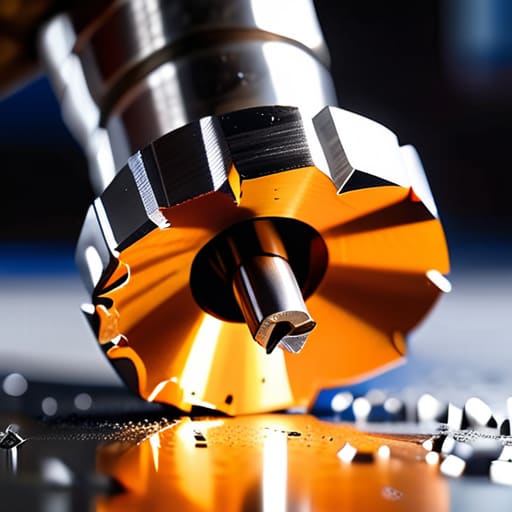
Now, when you’re standing at the bench deciding between HSS and cobalt, don’t just grab the first pack you see because the price tag is low. High speed steel is your bread and butter for general shop work—drilling through mild steel, aluminum, or brass. It’s reliable and gets the job done without breaking the bank. However, if you find yourself working through a thick slab of stainless or something particularly stubborn, HSS will lose its temper and go dull before you’ve even made a dent. That’s when you need to step up to cobalt drill bits for steel.
The real difference comes down to how they handle heat. Cobalt bits are designed to retain their hardness even when things get glowing hot, making them much more resilient during heavy-duty tasks. If you’re running a high-performance machinist drill press setup, you’ll notice that cobalt can take a bit more abuse. Just remember: even with the good stuff, you can’t ignore your cutting fluid for metal drilling. A little lubrication goes a long way in preventing the bit from seizing up or burning out prematurely.
Why Cobalt Drill Bits for Steel Are Worth the Investment
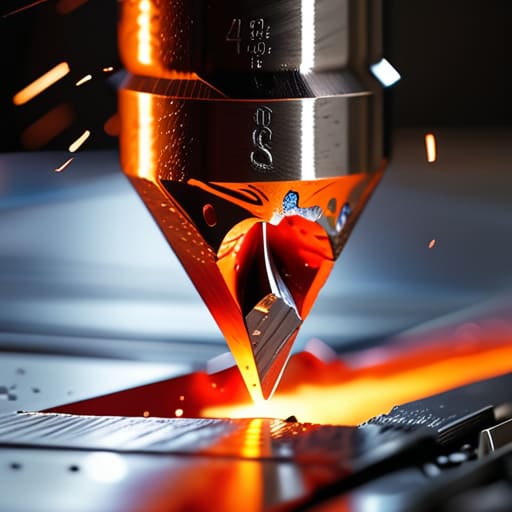
Now, I know what some of you are thinking—why spend the extra coin when a standard bit will get the job done? Well, if you’re working through thick, hardened plate or a piece of stainless that’s fighting you every step of the way, you’ll find out the hard way that cheap bits just don’t hold their edge. Using cobalt drill bits for steel isn’t about being fancy; it’s about heat management. Unlike standard bits that lose their temper the moment things get spicy, cobalt stays hard even when the friction starts climbing.
When you’re out in the shop, you learn that preventing drill bit overheating is half the battle. If you push a standard bit too hard, it softens, dulls, and eventually becomes nothing more than a polished stick of useless metal. Cobalt is built to handle that thermal stress. It allows you to maintain a steady pace without the constant fear of the tip melting away. It might cost a few dollars more upfront, but when you factor in not having to stop every five minutes to replace a burnt-out bit, it pays for itself in saved time and less frustration.
Five Rules for Not Burning Up Your Bits
- Slow your speed down. I see too many young fellas running their drill presses at full throttle, thinking speed equals efficiency. In metalwork, speed is the enemy of a sharp edge. If you see smoke, you’re going too fast.
- Use cutting oil, every single time. Don’t try to “dry drill” just to save a few seconds; you’ll end up with a dull bit and a ruined workpiece. A bit of oil keeps the heat where it belongs—in the chip, not in the tool.
- Let the tool do the work. If you have to lean your whole body weight into the lever to make progress, something is wrong. You’re either using a dull bit, or your feed rate is off. A sharp bit should bite into the metal with steady, controlled pressure.
- Keep your pilot holes small. If you’re trying to bore a large hole in a thick piece of steel, don’t go straight for the big bit. Drill a smaller pilot hole first to guide the larger bit and reduce the amount of torque you’re putting on the machine.
- Check your alignment. Even the best cobalt bit in the world won’t help you if your drill press isn’t square or your workpiece is shifting. Clamp your metal down tight. A wandering bit is a wasted bit, and it’s a quick way to ruin a good piece of stock.
The Bottom Line on Your Drill Bit Selection
Don’t go cheap on the bits; if you’re drilling through hardened steel, a standard HSS bit will burn up before you’ve even made a dent, so invest in cobalt from the start.
Match your tool to the job at hand—use your high-speed steel bits for softer metals to save money, but keep the cobalt for the tough, heavy-duty work where heat is the enemy.
Remember that the right bit is only half the battle; you still need to respect your speeds and feeds, or you’ll ruin even the best tool in your drawer.
## The Cost of a Cheap Bit
You can either pay for a decent drill bit once, or you can pay for a dozen cheap ones and a whole lot of wasted time trying to fix the holes they ruined. In my shop, we don’t measure cost by the dollar; we measure it by the quality of the work left behind.
Alistair Fenwick
Final Thoughts Before You Hit the Bench
At the end of the day, choosing the right drill bit isn’t about collecting the most expensive kit in the catalog; it’s about knowing what you’re up against. If you’re just drilling through some soft aluminum or thin sheet metal, a standard high-speed steel bit will do the job just fine without breaking the bank. But if you’re staring down a piece of hardened tool steel or a thick slab of stainless, don’t even think about reaching for anything less than a solid cobalt bit. I’ve seen too many fellas ruin a perfectly good workpiece because they tried to save a few dollars on a cheap bit, only to end up with a snapped shank and a melted tip. Invest in the quality you need for the job at hand, and you won’t find yourself fighting your tools more than the metal itself.
My advice is simple: respect the material and respect your tools. Metal doesn’t forgive a lack of preparation, and it certainly won’t reward someone who tries to rush the process with subpar equipment. When you take the time to select the right bit and set your speeds and feeds correctly, you aren’t just making a hole—you’re practicing the discipline of craftsmanship. We live in a world that’s obsessed with the “quick fix,” but there is a deep, quiet satisfaction in doing a job right the first time. So, head out to the shop, clear your bench, and build something that’s meant to stay put.
Frequently Asked Questions
How do I know when I'm pushing my drill bit too hard and about to burn it up?
Listen for the sound. If that steady, rhythmic cutting noise turns into a high-pitched, piercing squeal, stop immediately. That’s the sound of friction turning into heat faster than you can clear it. You’ll also see a telltale sign in the chips: if they’re coming out bright blue or looking scorched, you’re cooking the temper right out of the steel. Slow your feed, check your coolant, and don’t let the bit get that angry.
Is it worth using a drill press for these bits, or can I get the job done with a hand drill?
If you’re just drilling a single hole in a piece of scrap, a hand drill will get you there. But if you’re working with those cobalt bits we talked about, use the press. Cobalt is hard, and if you wander off-center or apply uneven pressure with a hand drill, you’ll chip the cutting edge in seconds. A drill press gives you the steady, perpendicular force those expensive bits need to do their job right.
What kind of cutting oil should I actually keep on my workbench to stop these bits from overheating?
Don’t bother with those fancy, overpriced specialty sprays you see in the big-box stores. If you’re working with standard mild steel, a decent sulfur-based cutting oil is your best friend. It sticks to the bit and handles the heat without evaporating instantly. If you’re tackling something tougher like stainless, you’ll want something heavier. Honestly, just keep a dedicated bottle of high-quality sulfurized oil on your bench; it’ll save your bits and your sanity.
