I remember sitting in a cramped fabrication shop back in ’84, my forearms aching and my knuckles raw, staring at a piece of steel that looked like it had been chewed by a dog. I had just spent three hours trying to force a corner square, only to realize I’d been fighting the tool instead of working with it. Most folks today think you can just grab a cheap, flimsy file from a big-box store and some high-speed grinder to do the heavy lifting, but they’re dead wrong. If you don’t understand the rhythm of hand filing metal, you aren’t shaping the workpiece; you’re just fighting a losing battle against the material.
I’m not here to sell you on some fancy, computerized precision or a kit that costs more than my first truck. What I’m going to give you is the straight truth about how to actually feel the metal under your file and how to develop the muscle memory that separates a hack from a craftsman. We’re going to talk about stance, pressure, and why patience is your most important tool in the shop. If you’re willing to put in the work, I’ll show you how to get a finish that’s worth more than anything coming off a factory line.
Table of Contents
Choosing Your Steel a Hand File Grit Comparison
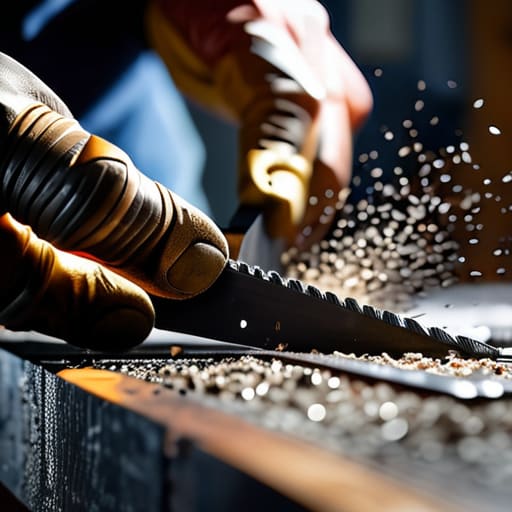
Before you even pick up a tool, you need to understand that not all files are created equal. If you grab a coarse bastard file when you’re trying to finish a delicate piece, you’re just asking for trouble. I’ve seen many a young apprentice ruin a perfectly good bit of mild steel because they thought they could just “sand it down” later. In a proper hand file grit comparison, you have to look at the tooth spacing. Coarse files are for the heavy lifting—removing bulk material and leveling out uneven welds. They’re aggressive, and they work fast, but they leave behind deep scratches that’ll haunt you if you aren’t careful.
Once you’ve got the shape roughly where it needs to be, you move into the finer stuff. This is where you start achieving smooth metal surfaces that actually feel right to the touch. Smooth or second-cut files are your bread and butter for refining the work, while single-cut files are for that final, polished touch. Don’t go jumping straight from a coarse file to a fine one; you’ll spend more time trying to erase the deep gouges than you would have spent just doing the job right the first time.
Workshop Metalwork Safety Respect the Tool or Pay the Price
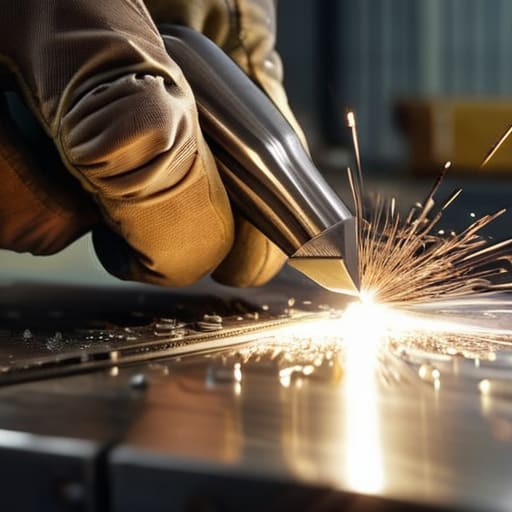
Before you even think about touching a file to a workpiece, you need to understand that a file isn’t just a tool; it’s a piece of hardened steel that doesn’t care about your fingers. I’ve seen plenty of green lads walk into a shop thinking they can just wing it, only to end up with a nasty nick or a deep scratch because they weren’t paying attention. Workshop metalwork safety starts with your eyes and your grip. Always wear your safety glasses—metal chips and fine dust have a way of finding their way into your eyes when you least expect it. And for heaven’s sake, don’t use a file without a proper handle. A loose tang is a recipe for a trip to the clinic, and I don’t intend to spend my retirement explaining why a broken handle was a bad idea.
Once you’ve got your gear sorted, watch your posture. You shouldn’t be hunching over the bench like a question mark; keep your stance steady so you can apply even pressure. When you’re achieving smooth metal surfaces, the goal is controlled, deliberate strokes. If you start getting sloppy or rushing because your arms are tired, that’s when the tool starts working against you instead of with you. Take a breather, reset your grip, and remember: the metal dictates the pace, not your ego.
Five Ways to Stop Fighting the Metal and Start Working With It
- Watch your stance and put your weight into it. If you’re just using your wrists, you’re going to tire out in ten minutes and your strokes will get sloppy. Plant your feet, keep your elbows tucked, and use your shoulder to drive the file forward. It’s a rhythmic motion, not a frantic one.
- Only file on the push stroke. I’ve seen too many young fellas trying to rasp the metal on the way back, too. All that does is dull your teeth and waste your energy. Once the file reaches the end of the stroke, lift it slightly and bring it back for the next pass. Let the tool do the cutting.
- Keep your file clean or it’ll just slide right over the surface without doing a lick of work. Get yourself a good steel file card and brush the metal chips out of the teeth every few minutes. If those little bits of steel get packed in there, they’ll scratch your workpiece and drive you mad.
- Don’t forget the importance of a file handle. I don’t care how much you like the look of a bare tang; a file without a proper wooden or plastic handle is a recipe for a trip to the emergency room. If that tang slips into your palm while you’re applying pressure, you’ll learn a very painful lesson about why we use handles.
- Check your flatness constantly. It’s easy to get caught up in the rhythm and start rounding off the edges without even realizing it. Every now and then, stop, wipe the metal clean, and run your hand across the surface. If you feel a dip or a high spot, you’ve lost your line, and you’ll need to adjust your angle before you go any further.
The Essentials of a Clean Finish
Don’t fight the metal; let the file do the work by using long, steady strokes rather than short, choppy movements that just scratch the surface.
Always keep your tools clean, because a single stray bit of metal stuck in the teeth of your file will leave a deep gouge you’ll spend an hour trying to fix.
Respect the progression from coarse to fine, and never skip a grit just because you’re in a hurry to get to the next job.
## The Rhythm of the File
A file isn’t just a tool to shave off material; it’s a way of feeling the metal. If you’re fighting the steel, you’re doing it wrong. You have to find that steady, rhythmic stroke where you’re working with the grain rather than against it. If you try to force the finish, the metal will tell you—and it usually tells you by ruining the piece entirely.
Alistair Fenwick
The Final Stroke
At the end of the day, mastering the file isn’t about how fast you can clear away material; it’s about how well you understand the metal in front of you. You’ve learned that picking the right grit is half the battle, and you know better than anyone that skipping the safety precautions is a fool’s errand. If you try to force a coarse bastard file to do the work of a smooth finishing file, you’re just going to leave deep scratches that you’ll spend hours trying to buff out later. Remember, patience is your most important tool in this shop. Keep your strokes consistent, watch your pressure, and always respect the grain of the steel you’re working on.
There’s a certain kind of satisfaction you can’t get from a machine or a quick weld. It’s in that moment when the metal finally feels smooth under your thumb and you know it was your own hand that brought it to life. We live in a world that’s obsessed with getting things done yesterday, but there is a real, quiet dignity in doing things the right way. Don’t let the urge to rush rob you of the quality you’re aiming for. When you take the time to file properly, you aren’t just shaping a piece of metal—you are building a skill that lasts a lifetime.
Frequently Asked Questions
How do I know when I've filed too much material away and started losing the original shape of the piece?
You’ve got to stop looking at the metal and start feeling it. I always keep a pair of calipers or a precision square nearby, but your hands are your best tools. Periodically stop filing and run your fingers over the surface. If you feel the edges rounding off where they should be crisp, or if the symmetry feels “off” to your touch, you’ve gone too far. Don’t let your ego drive the file; listen to the metal.
Is it worth it to spend time cleaning and sharpening my old files, or should I just buy a new set?
Don’t you dare go throwing those old files in the scrap bin just because they’ve lost their bite. Most of the time, they aren’t “bad,” they’re just clogged with metal swarf or have a bit of surface rust. Grab a file card and some oil, and you’ll find they still have plenty of life left. A new set of cheap, soft steel won’t hold an edge half as long as a well-maintained vintage file.
What’s the best way to keep the metal from getting clogged with tiny shavings while I'm working?
You’re talking about “pinning,” and it’s enough to drive a man mad if you let it. Once those tiny metal bits get wedged in the teeth, you’ll start scratching your workpiece instead of smoothing it. Keep a stiff-bristled file card handy—not a soft brush, a proper metal one. Brush with the stroke of the file, never against it. If it’s really stubborn, a bit of kerosene on a rag will loosen the grit right up.
