I remember standing in a fabrication shop back in ’84, watching a kid try to weld a high-carbon piece with the same filler rod he’d used for mild steel, all because he thought “it’s all just metal.” He ended up with a crack that ran straight through the joint before the piece even cooled, wasting a perfectly good slab of material and a whole afternoon of work. People today make it sound so complicated, throwing around fancy technical jargon and proprietary names to drive up the price, but most of the time, you just need to understand the basic steel types to get the job done right. You don’t need a PhD in metallurgy; you just need to know how the metal is going to react when you put the heat to it.
I’m not here to sell you on some overpriced, “designer” alloy that’s only good for show. My goal is to strip away the nonsense and give you the straight talk on what actually works in a real-world shop. I’ll show you how to distinguish between the common grades so you can stop guessing and start building things that actually last.
Table of Contents
The Metallurgy of Steel Alloys and True Durability
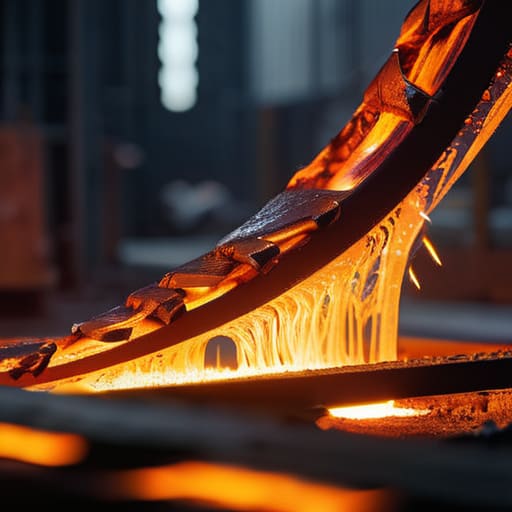
Now, if you really want to understand why one piece of metal holds an edge while another just bends under pressure, you have to look past the surface. It’s all about the metallurgy of steel alloys and how those microscopic elements are baked into the grain. You aren’t just looking at a hunk of iron; you’re looking at a precise recipe. When we talk about the hardness and durability of steel, we’re really talking about how much carbon is fighting against those iron atoms to keep the structure from shifting when things get hot or heavy.
I’ve seen too many young fellas try to use a low-carbon mild steel for a job that clearly calls for something more robust, and they end up frustrated when their tool deforms. You need to grasp the fundamental difference between carbon and stainless steel before you even strike an arc. Carbon steel gives you that raw strength and ease of heat-treating that I love for my hand tools, whereas stainless relies on chromium to fight off the rust. Neither is “better” in a vacuum, but using the wrong one is a fast way to turn a good project into a pile of scrap metal.
Steel Composition and Properties You Can Actually Trust
When you’re standing over an anvil or a welding bench, you can’t afford to guess. You need to understand the steel composition and properties of the piece in front of you before you even think about striking an arc. I’ve seen too many young fellas grab a scrap piece of high-carbon steel for a job that actually required the corrosion resistance of a stainless, only to realize they’ve ruined the temper and made a mess of the metal. It’s not just about what the metal looks like; it’s about how the elements inside it behave when the temperature rises.
The most fundamental thing you need to wrap your head around is the difference between carbon and stainless steel. Carbon steel is your bread and butter for structural work and tools that need to hold an edge, but it’ll rust if you so much as look at it sideways without a coat of oil. Stainless, on the other hand, has those chromium additives that keep it clean, but it’ll behave differently under a torch. If you don’t respect those differences, you aren’t crafting—you’re just wasting good material.
Five Rules of Thumb Before You Start Cutting
- Don’t trust a label blindly; if you’re working with scrap or mystery metal, hit it with a magnet or a spark test first. You need to know if you’re holding high-carbon steel that’ll snap under a hammer or a low-carbon mild steel that’ll just bend and complain.
- Watch your heat like a hawk. Every alloy has its own temperament, and if you try to force a piece of tool steel to behave like mild steel by overheating it, you’ll ruin the internal structure and end up with nothing but expensive kindling.
- Stop buying the cheapest option just because it’s on sale at the big-box store. If you’re building something that needs to take a load or hold an edge, pay the extra few dollars for the specific grade you need; otherwise, you’ll be paying for it twice when the part fails.
- Always check for surface impurities before you start your grind. I’ve seen too many young fellas spend hours polishing a piece only to realize they were working with steel that had internal inclusions or heavy scale that’s going to compromise the whole job.
- Keep a notebook of what works. Every time you successfully heat-treat a specific batch or find a particular brand of stainless that plays nice with your welder, write it down. Experience is the only thing that won’t let you down in the shop.
The Bottom Line Before You Strike the Anvil
Don’t let a shiny finish fool you; always verify the carbon content and alloy mix before you commit to a build, or you’ll find yourself fighting the metal instead of shaping it.
Match your steel to the job at hand—using high-carbon tool steel where mild steel is needed is a fast way to ruin a project and waste good material.
Respect the chemistry of your alloys, because understanding how a specific steel reacts to heat and pressure is the only way to ensure what you build actually lasts a lifetime.
The Cost of a Shortcut
You can fool a customer with a shiny finish, but you can’t fool the metal; if you pick the wrong grade of steel for the job, the hammer will tell you the truth sooner or later, and it’ll be a lot more expensive than if you’d just taken the time to read the specs right the first time.
Alistair Fenwick
Making the Right Call at the Anvil
At the end of the day, understanding the difference between a high-carbon tool steel and a common mild steel isn’t just academic—it’s the difference between a project that holds its edge and one that fails when you need it most. We’ve looked at how carbon content dictates hardness, how chromium keeps things from rusting out in a damp shop, and why you can’t just treat every piece of metal like it’s the same. If you try to force a brittle alloy to bend where it wants to snap, or if you use a soft steel for a job that demands serious structural integrity, you’re just asking for a headache. You’ve got to respect the chemistry of the material before you ever strike a spark or draw an arc. Match the metal to the mission, or don’t bother starting the machine.
I know it can feel overwhelming when you’re standing in the supply yard staring at a wall of different grades and certifications. It’s easy to get intimidated by the technical jargon, but remember that every master craftsman started exactly where you are. Don’t let the fear of picking the “wrong” steel keep you from getting your hands dirty. Just take your time, do your homework, and trust your instincts as you learn the feel of the metal under your tools. We aren’t just making things; we are building a legacy of tools and structures that will outlive us all. Now, quit reading and go see what that scrap pile has to offer.
Frequently Asked Questions
How can I tell the difference between high-carbon and low-carbon steel if the metal isn't clearly marked?
If the stamp is gone, you’ll have to rely on your eyes and a file. Grab a standard mill file and give the edge a good draw. High-carbon steel is stubborn; it’ll bite back, and you’ll feel that resistance immediately. Low-carbon steel is soft—it’ll peel away like butter. If you’ve got a spark tester, a quick swipe will show you. High-carbon throws off a shower of bright, bushy sparks, while low-carbon just gives you a dull, lazy spray.
Is it worth the extra money to buy specialized alloy steel for a project that's just going to sit in a damp workshop?
If it’s just sitting in a damp shop, don’t go throwing money at high-end alloy steels. You’ll be flushing cash down the drain if you don’t have a way to protect them. In a humid environment, even the best alloys can succumb to surface rust if you’re careless. Stick to something standard, but make sure you’ve got a good regimen of oiling or a decent coating. Save the expensive stuff for when the metal actually has to perform.
What's the best way to test if a piece of scrap steel I found is actually hard enough to hold an edge?
The quickest way to tell is a simple file test. Take a decent quality bastard file and run it across the surface of the metal. If the file bites in and leaves a deep groove, that steel is soft—likely mild steel—and it’ll never hold an edge. But if the file skids across the surface like it’s hitting glass, you’ve found something with real carbon content. Just don’t go swinging a hammer until you’re sure.
