I remember a Tuesday back in ’84, working on a custom gate frame in a shop that smelled of ozone and burnt oil. I was trying to hold a heavy section of angle iron steady, relying on a cheap, flimsy set of pliers I’d picked up from a local hardware chain. The moment I applied any real pressure, the mechanism slipped, the metal shifted, and I nearly took a hammer to my own thumb. It was a sharp lesson: you can have the best hands in the world, but if your metalwork clamps are nothing more than glorified paperweights, you’re just waiting for a mistake to happen.
I’m not here to sell you on some fancy, high-tech pneumatic setup that’ll break the first time it sees a real load. What I want to do is cut through the marketing fluff and show you which tools actually belong in a working man’s kit. I’ll walk you through the grit and the gear, explaining exactly how to pick the right pressure and the right grip so your work stays true. We’re going to focus on the tools that are built to endure, ensuring that once you set a piece, it stays exactly where you put it.
Table of Contents
- Investing in Heavy Duty Welding Clamps for Real Work
- Why Precision Metalwork Fastening Beats a Cheap Shortcut
- Five Rules for Keeping Your Work Steady and Your Hands Whole
- The Bottom Line on Holding Your Ground
- ## The Cost of a Loose Grip
- Making the Right Choice for the Long Haul
- Frequently Asked Questions
Investing in Heavy Duty Welding Clamps for Real Work
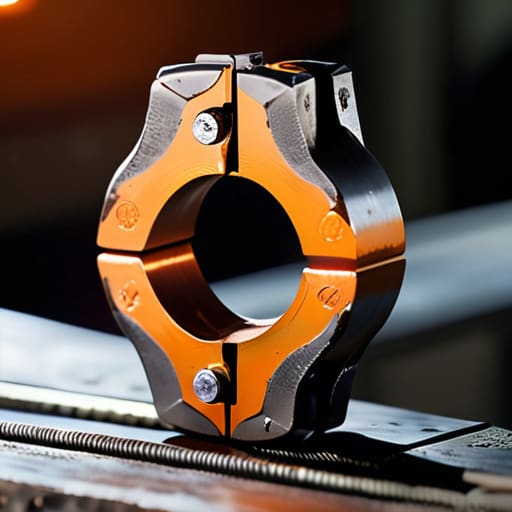
Now, if you’re planning on doing more than just tacking a bit of wire together on a scrap piece, you need to stop looking at those cheap, lightweight bits you find in the bargain bins at the big-box stores. When you’re dealing with serious heat and thick plate, you need heavy duty welding clamps that aren’t going to flex or give way when the metal starts to expand. I’ve seen too many young lads lose a perfect seam because their setup shifted a fraction of an inch mid-weld. It’s a waste of good gas, good rod, and more importantly, a waste of your time.
If you want to do things right, you should look into industrial clamping solutions that can handle the rigors of a real shop environment. I prefer the heavy-duty C-clamps or the specialized locking types that stay put even when the workshop gets a bit rowdy. If you’re working on something finished—like a piece of restored hardware—make sure you’ve got some non-marring clamp pads on hand. There’s no sense in holding a piece steady only to leave a permanent dent in the surface you just spent three hours polishing.
Why Precision Metalwork Fastening Beats a Cheap Shortcut
I’ve seen too many young lads walk into a shop, buy a handful of cheap, flimsy spring clamps from a big-box retailer, and wonder why their welds look like a zigzagging mountain range. The problem isn’t their hand; it’s that the workpiece moved while they were under the hood. When you’re dealing with heat, metal wants to expand and warp. If you aren’t using proper precision metalwork fastening, you’re essentially fighting a losing battle against physics. A cheap clamp might hold a piece of wood for a weekend project, but it won’t stand a chance against the thermal expansion of steel.
If you want a clean joint, you need to invest in industrial clamping solutions that actually bite. I always tell my apprentices: if the clamp slips even a fraction of a millimeter while you’re working, you’ve just wasted an hour of grinding and prep. It’s better to spend the extra money upfront on gear that stays put than to spend your entire afternoon trying to fix a crooked seam. Don’t settle for gear that gives up under pressure; get tools that are built to stay steady.
Five Rules for Keeping Your Work Steady and Your Hands Whole
- Check your jaw faces before every single use. If there’s a bit of grit, a stray weld bead, or a flake of rust stuck in the teeth of your clamp, you aren’t clamping the metal—you’re marring it. I keep a wire brush handy to clear them out every time I reach for a new piece.
- Don’t rely on a single point of pressure. If you’re working on a long piece of angle iron or a flat plate, one clamp in the middle isn’t going to do a lick of good against heat distortion. Use two or three to distribute that force, or you’ll find your straight line turning into a banana the moment the torch hits it.
- Stop using your clamps as hammers. I’ve seen too many young fellas grab a C-clamp to tap something into place. You’ll strip the screw threads or bend the frame, and once that precision is gone, the clamp is nothing more than expensive scrap metal. Use a dead-blow or a brass hammer for the tapping; use the clamps for the holding.
- Mind the “creep.” Metal expands when it gets hot, and even the best screw-type clamps can lose their grip as the material shifts under a weld. Every few minutes, especially when you’re working near a heavy bead, give your clamps a quick check to make sure they’re still biting hard.
- Invest in a decent set of magnetic squares alongside your clamps. A clamp holds the piece, but a square ensures it’s actually where it needs to be. There’s no sense in clamping something down tight if you’ve already set it at a three-degree error. Measure twice, clamp once, and weld with confidence.
The Bottom Line on Holding Your Ground
Stop chasing the lowest price tag on a clamp; if the screw threads are soft or the jaw wobbles, you’re just paying for scrap metal that’ll fail you mid-weld.
Always prioritize clamping force and stability over fancy features, because a steady piece of metal is the only way to ensure your measurements actually stay true.
Treat your clamps like any other tool in the shop—keep them clean, check the threads regularly, and never force a mechanism that’s clearly binding.
## The Cost of a Loose Grip
“A clamp isn’t just a way to hold two pieces of steel together; it’s your insurance policy against a ruined weld. If you’re too cheap to buy a grip that holds steady under pressure, you’re just paying for it twice—once at the hardware store and once when you’re grinding out the mistakes caused by a shifting workpiece.”
Alistair Fenwick
Making the Right Choice for the Long Haul
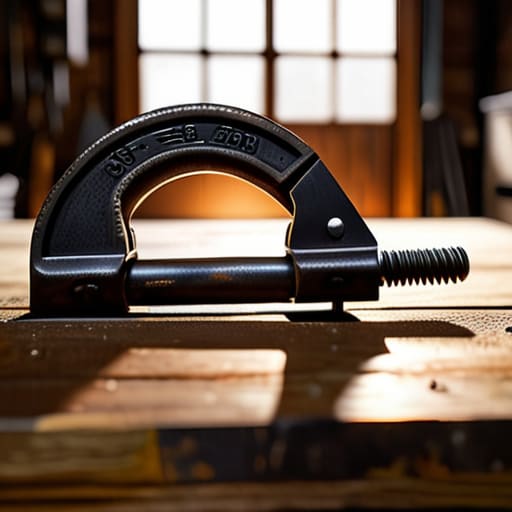
At the end of the day, your clamps are the unsung heroes of every project you pull into the shop. We’ve talked about why you can’t afford to cut corners with cheap, flimsy hardware that strips the moment you apply real pressure. Whether you are opting for heavy-duty welding clamps to hold a thick steel plate or precision fasteners for delicate restoration work, the goal remains the same: stability. If you don’t secure your workpiece with proper tension and reliable grip, you aren’t just risking a crooked weld or a misaligned joint—you’re wasting your time and your materials. Invest in tools that can take a beating and still hold true, because a steady workpiece is the foundation of every quality job.
I know it can feel tempting to grab the cheapest set available when you’re just starting out or trying to save a few dollars on a weekend project. But I’ve spent forty years seeing how those small savings turn into massive headaches down the line. Real craftsmanship isn’t just about how you swing the hammer; it’s about the preparation and the tools you trust to stay out of your way while you work. Buy the good stuff, maintain your gear, and treat your workshop with the respect it deserves. When you build with the right equipment, you aren’t just making something that looks good—you are building something that lasts.
Frequently Asked Questions
How do I know if a clamp is going to mar the surface of my finished piece, and what's the best way to prevent that without losing grip?
You can tell a clamp is going to mar your work by looking at the jaw material—if it’s raw, serrated steel, it’s going to bite. To keep your grip without scarring the metal, don’t just rely on more pressure. Instead, use sacrificial spacers. A scrap piece of soft copper, a strip of leather, or even some heavy cardstock between the jaw and your workpiece does the trick. It lets the clamp hold firm while the soft material takes the brunt of the force.
Is it worth spending the extra coin on a heavy-duty C-clamp, or will a standard F-clamp get the job done for most of my shop projects?
It depends on what you’re actually putting on the bench. If you’re just holding some light trim or thin sheet metal in place while you tack it, an F-clamp is fine—they’ve got that long reach that’s handy for larger surface areas. But if you’re working with thick plate or something that needs real, unrelenting pressure to stay true, get the C-clamp. They’re built for the squeeze, and they won’t flex when the job gets heavy.
When I'm working with thin sheet metal, how do I stop the clamps from bending or distorting the material while I'm trying to hold it steady?
When you’re working with thin sheet, you can’t just lean on those heavy-duty clamps like you would a thick plate. If you do, you’re going to end up with a wavy mess that’ll never lay flat again. Use scrap pieces of hardwood or even some thick aluminum bar as “cauls” between the clamp and your work. They spread that pressure out over a wider area, keeping the metal steady without letting it buckle under the load.
