I remember standing over a workbench back in ’84, staring at a cracked housing on a piece of heavy machinery that should have been a simple fix. I’d spent three hours trying to force a cheap, off-the-shelf epoxy to do a job that required actual structural integrity, only to watch the whole thing snap the moment the engine turned over. It’s a bitter pill to swallow when you realize you’ve wasted a whole afternoon because you didn’t respect the chemistry. Most folks these days think you can just grab any tube of glue from the local hardware store and call it a day, but when it comes to metal-working adhesives, there is a massive difference between something that just sticks and something that actually holds under pressure.
I’m not here to sell you on some fancy, overpriced brand just because it has a shiny label. What I want to do is cut through the marketing nonsense and tell you exactly which compounds will stand up to heat, vibration, and time. I’ll show you how to prep your surfaces so you aren’t fighting the bond later, because shortcuts only lead to wasted material. We’re going to focus on the right tools for the job so that when you finish a repair, you can walk away knowing it’s built to last.
Table of Contents
High Strength Metal Bonding Agents That Actually Hold
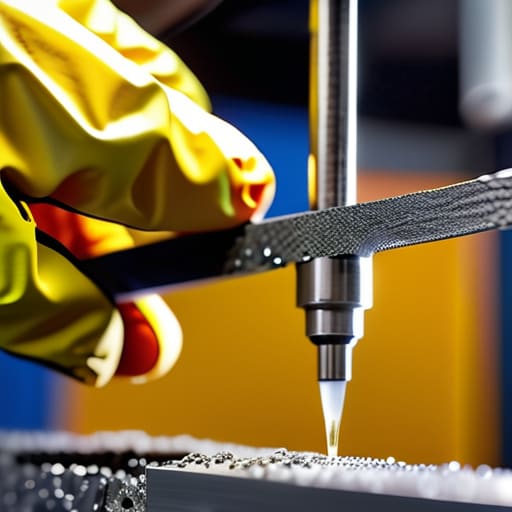
When you’re looking for something that won’t fail the moment it sees a bit of stress, you need to stop looking at the hardware store’s bargain bin and start looking at industrial grade epoxy for metalwork. I’ve seen too many fellas try to patch a structural crack with some cheap, single-component stuff, only to have it peel off like wet paper a week later. If you want a bond that actually respects the material, you need a proper two-part adhesive for metal repair. These resins are designed to bite into the surface, creating a chemical and mechanical lock that can handle more vibration than a poorly executed weld.
The real trick, though, isn’t just the glue itself; it’s the groundwork. You can buy the most expensive structural adhesive for steel and aluminum on the market, but if you haven’t mastered your surface preparation for metal adhesion, you’re just throwing money into the scrap bin. I always tell my apprentices: if that metal isn’t scoured clean and slightly roughened to give the agent something to grab onto, you might as well be gluing with water. Take the time to degrease and abrade. It’s the only way to ensure the fix stays fixed.
Selecting Structural Adhesive for Steel and Aluminum
When you’re dealing with a mix of steel and aluminum, you can’t just grab the first tube of glue you find in the junk drawer. These two metals behave differently when they expand and contract with temperature changes, which means your bond needs to be flexible enough to handle that movement without cracking. If you’re looking for a reliable structural adhesive for steel and aluminum, I always suggest looking for something with a high shear strength. You want a product that won’t just sit on the surface like a scab, but actually integrates into the grain of the metal.
The real secret, though, isn’t just the glue itself—it’s the work you do before the bottle is even opened. I’ve seen too many fellas skip the surface preparation for metal adhesion only to have their repair fail within a week. You’ve got to scrub that metal down to a bright, clean finish. If there’s any grease, oxidation, or old scale left on there, even the best two-part adhesive for metal repair won’t stand a chance. Do the prep work right the first time, or you’ll just be cleaning up a mess later.
Five Rules to Keep Your Bonds from Failing
- Clean your surfaces until they’re spotless; if there’s a trace of oil, grease, or even a bit of oxidation left on that metal, the adhesive is just bonding to the dirt, not the part, and it’ll peel right off when you need it most.
- Don’t rush the cure time just because you’re eager to see the finished product; most people think “dry” means “ready,” but if you put a load on a structural bond before it’s fully chemically set, you’ve just ruined the integrity of the whole repair.
- Watch your temperature like a hawk, because if you’re working in a shop that’s too cold or too hot, you’re fighting the chemistry of the glue itself, and no amount of expensive adhesive can make up for a bad environment.
- Scuff up the metal before you start; a smooth surface is a lazy surface, so use a bit of grit to give the adhesive something to actually bite into, or you’re just asking for a clean break later on.
- Always do a test run on a scrap piece of the same material first, because what works on a piece of mild steel might not hold a lick of weight on cast iron or aluminum, and it’s better to find that out on a piece of junk than on your main project.
The Bottom Line Before You Start Gluing
Never trust a bond on a dirty surface; if you don’t take the time to degrease and scuff the metal properly, you’re just gluing dust to a workpiece.
Match your adhesive to the metal’s job—don’t try to use a general-purpose hobby glue when you’re dealing with the thermal expansion of aluminum or heavy-duty steel.
Patience is your best tool; let the bond cure fully before you put any real stress on the joint, or you’ll find yourself back at the workbench fixing the same mistake.
## The Truth About the Bond
“A good adhesive isn’t a magic fix for sloppy prep work; if you don’t clean the surface and respect the cure time, you aren’t building something that lasts—you’re just making a mess that’ll fail when you need it most.”
Alistair Fenwick
Final Thoughts Before You Start Bonding
At the end of the day, choosing the right adhesive isn’t about grabbing the most expensive tube on the shelf; it’s about understanding the marriage between your materials and the environment they’ll live in. Whether you’re working with the heavy structural demands of steel or the finicky, oxide-prone surfaces of aluminum, you have to respect the chemistry. If you skip the surface preparation or try to use a general-purpose glue where a structural epoxy is required, you’re just setting yourself up for failure. Remember, a good bond is built on a foundation of cleanliness and patience. Take the time to degrease, sand, and prep your surfaces properly, because shortcuts are nothing more than a waste of good metal and your own hard-earned time.
I’ve seen plenty of folks try to rush a repair just to get the job done and move on to the next thing. But in my shop, we don’t do things halfway. When you take the time to select the right agent and apply it with precision, you aren’t just fixing a break; you are restoring the integrity of the object. There is a real, quiet satisfaction in knowing that a repair you made today will still be holding firm twenty years from now. Stop looking for the quick fix and start building things that last. Do the work right the first time, and your tools—and your conscience—will thank you.
Frequently Asked Questions
How do I know if the bond is actually going to hold under heat, or if the adhesive is just going to turn into brittle junk once the metal expands?
That’s the million-dollar question. You can’t just look at the label; you have to look at the thermal expansion coefficients of the metals you’re joining. If you’re bonding steel to aluminum, they’re going to move at different rates when things get hot. You need an adhesive with enough “give”—a high elongation at break—to act as a buffer. If the bond is too rigid, that expansion will snap it like a dry twig.
Is there a point where I should just stop messing with glue and pick up the welder instead?
Look, there’s no shame in reaching for the torch. If you’re trying to bond two thick plates that are going to take a beating, or if the surface area is too small for a decent bead of adhesive, stop fighting the glue. Adhesives are for precision and vibration damping; welding is for structural permanence. If the joint needs to carry a heavy load or handle extreme heat, put the epoxy down and pick up the welder.
What’s the best way to prep the surface so I'm not just bonding the adhesive to a layer of oil or oxidation?
Look, if you skip the prep, you might as well be gluing nothing to nothing. You’ve got to get down to the bare metal. Start with a coarse abrasive—80 or 100 grit is fine—to scuff up the surface and break that oxidation. Then, use a degreaser or even just some high-grade acetone to wipe away the oils. If you leave a smudge of grease behind, that bond is going to fail the second it sees any real stress.
