I remember standing in a fabrication shop back in ’84, watching a young apprentice blow a three-hundred-dollar specialized wrench because he thought he needed the fanciest gadget in the catalog to get the job done. It’s the same story I see today; people go out and spend a small fortune on shiny, over-engineered metalwork tools that promise the world but can’t hold an edge or handle a real workload. They get caught up in the marketing hype and the digital bells and whistles, forgetting that a tool is only as good as the hand holding it and the quality of the steel it’s made from.
I’m not here to sell you on the latest overpriced junk or tell you that you need a computerized setup just to bend a piece of angle iron. What I’m going to do is lay out the honest truth about what actually matters when you’re standing at the anvil or the workbench. I’ll show you which tools are worth your hard-earned money and which ones are just wasted material waiting to happen. We’re going to focus on the essentials—the stuff that stays sharp, stays heavy, and stays in your kit for the next forty years.
Table of Contents
Metal Fabrication Essentials for the Patient Craftsman
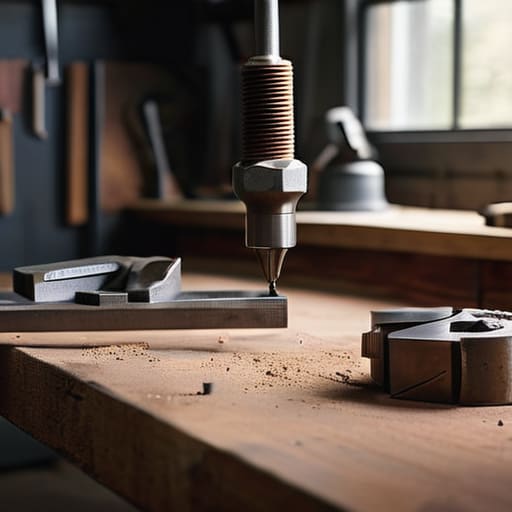
When you’re setting up a shop, it’s easy to get blinded by the shiny catalogs and start buying every piece of industrial metalworking machinery you see. Resist that urge. You don’t need a factory floor to do good work; you need a foundation of metal fabrication essentials that you actually understand. I always tell my apprentices that a tool you don’t know how to tune is just a heavy paperweight. Start with the basics—a solid angle grinder, a decent set of files, and a sturdy vise. These are the hands and feet of your workshop.
Once you’ve got your footing, you can look into more specialized gear, but don’t rush into complex welding equipment for beginners until you’ve mastered the art of the clean cut and the straight line. If your prep work is sloppy, no amount of high-end tech will save your weld. I’ve seen too many young folks try to skip the grinding stage, only to end up with a mess that looks like bird droppings. Measure twice, cut once, and grind until it’s smooth. If you don’t respect the prep, the metal won’t respect you.
Precision Metalworking Instruments to Avoid Wasted Material
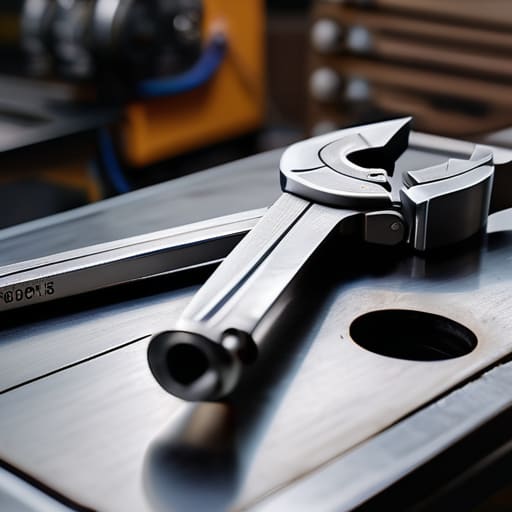
When you’re working with anything more substantial than sheet metal, your margin for error shrinks. You can’t just “eyeball” a cut and hope for the best; that’s how you end up with a pile of expensive scrap instead of a finished part. I’ve seen too many young fellas rush into a project only to realize they’ve ruined a perfectly good piece of steel because they didn’t have the right precision metalworking instruments on hand. A decent set of calipers and a high-quality machinist’s square aren’t luxuries—they are the difference between a joint that fits tight and one that wobbles like a loose tooth.
If you’re looking to step up your game, invest in a solid scribe and a layout dye. It might seem old-fashioned, but marking your lines clearly is the only way to ensure your metal cutting techniques actually yield what you planned on paper. Don’t go buying every shiny gadget in the catalog, either. Focus on the tools that demand accuracy. If you can’t measure it twice and mark it once with absolute certainty, you’re just wasting your time and my patience.
Five Rules for Keeping Your Tools in Fighting Shape
- Stop treating your grinders like they’re indestructible. If you notice the disc is wobbling or the vibration is getting into your wrists, change it immediately. A bad disc doesn’t just ruin the workpiece; it’ll throw you off balance and lead to a mistake you can’t take back.
- Clean your tools after every session. I don’t care if it’s just a bit of metal dust or some stray oil; if you let that grit settle into the moving parts of your vise or the gears of your drill, you’re just inviting rust and friction to do their work.
- Learn the sound of your equipment. You’ll know when a blade is dull or a motor is struggling just by the way the pitch changes. If it sounds wrong, stop what you’re doing. Don’t try to power through a dull edge—you’ll only end up fighting the tool instead of the metal.
- Sharpen your hand tools often. There is no sense in hacking away at a piece of steel with a blunt chisel or a tired file. It takes more muscle, more time, and more frustration. A sharp tool does the work for you; a dull one just makes you angry.
- Store your precision instruments away from the heavy stuff. Don’t toss your calipers or your micrometers into a drawer full of heavy wrenches and hammers. Those delicate bits need a dedicated spot where they won’t get knocked out of calibration by a heavy piece of scrap.
The Craftsman's Bottom Line
Invest in quality over quantity; one well-made hammer or set of calipers is worth more than a dozen cheap, plastic-handled tools that’ll fail you when the work gets serious.
Respect your tools by maintaining them, because a dull blade or a rusted vise isn’t just an inconvenience—it’s a recipe for wasted metal and ruined projects.
Slow down and listen to the material; whether it’s the sound of the grinder or the color of the heat, rushing the process is the fastest way to make a mistake you can’t undo.
## On the Value of the Right Tool
A tool isn’t just a piece of steel in your hand; it’s an extension of your own patience. If you buy cheap, flimsy junk just to save a few dollars today, you’ll end up paying for it tenfold in frustration and wasted scrap tomorrow. Buy the tool that feels right, learn its quirks, and treat it with enough respect that it’ll still be working long after you’ve retired.
Alistair Fenwick
Putting the Tools to Work
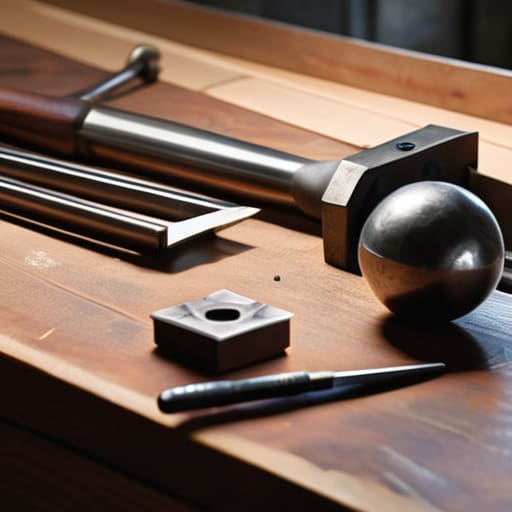
At the end of the day, having a shop full of shiny, expensive gear doesn’t make you a craftsman; knowing how to use them with intention does. We’ve walked through the heavy hitters needed for fabrication and the precision instruments that keep you from turning good steel into scrap. Whether you are setting up a professional bay or just clearing out a corner of your garage, remember that your toolkit is an extension of your own hands. Invest in the quality stuff—the hammers that balance right and the measuring tools that don’t slip—because shortcuts only lead to wasted material. If you treat your tools with respect, they’ll be there for you when the job gets tough.
I’ve spent forty years watching people rush through a weld or skip a measurement, only to end up starting over from scratch. It’s a hard way to learn, and it’s a waste of a good afternoon. My advice is simple: don’t be in such a hurry to finish that you forget to respect the material. There is a quiet sort of satisfaction that comes from looking at a piece of metal you’ve shaped, repaired, or built yourself, knowing it was done right the first time. So, pick up your tools, watch your heat, and build something that’s actually worth keeping.
Frequently Asked Questions
I've got a decent starter kit, but which specific hand tools should I invest in first to avoid buying cheap junk that breaks halfway through a job?
Look, don’t go chasing every shiny gadget on a website. If you’re looking to build a real kit, start with a high-quality set of files—get a bastard cut for the heavy lifting and a smooth cut for the finishing. Next, invest in a decent pair of heavy-duty aviation snips and a solid machinist’s square. If your measuring tools are cheap, your work will be crooked, and you’ll end up wasting more metal than you save.
How can I tell if a secondhand tool is worth salvaging or if it's just a piece of scrap metal waiting to happen?
When you’re digging through a flea market bin or a neighbor’s garage, don’t let a layer of rust fool you. Look past the surface. Check the geometry—is the tool bent, or is the edge just dull? Tap the metal; if it sounds dead or hollow, it’s likely cracked. Most importantly, check the scale. If the steel is pitted too deep or the handle is snapped beyond a clean repair, walk away. Save your time for tools with good bones.
For someone working in a small home garage, what are the absolute essentials to keep the workspace safe without needing a massive industrial setup?
You don’t need a factory floor to stay safe, but you do need discipline. First, get a decent fire extinguisher and keep it within reach—not buried under a pile of scrap. Invest in a proper workbench that doesn’t wobble; a moving tool is a dangerous tool. Most importantly, get yourself a high-quality respirator and some real eye protection. Don’t rely on those cheap plastic glasses from the hardware store. If you respect the sparks, they’ll respect you.
