I remember back in ’84, a young apprentice in my shop tried to weld a thin-walled copper fitting because he thought it was the “strongest” way to do things. He ended up blowing a hole right through the damn thing, wasting a perfectly good part and half a day of work. That’s the trouble I see these days; folks get so caught up in wanting the most intense heat that they forget the metal has a limit. When you’re staring down the choice of brazing vs welding, you aren’t just picking a tool from a drawer—you’re deciding whether you want to fuse the very soul of the metal together or just lay a filler in the gap.
I’m not here to give you some glossy textbook definition that won’t help you when you’re actually under the hood. My goal is to lay out the real-world differences between these two methods so you don’t end up with a brittle joint or a ruined workpiece. I’ll show you when to grab the torch for a clean braze and when you truly need the penetration of a weld. We’re going to do this the right way, focusing on the physics of the heat and the integrity of the bond, ensuring whatever you fix stays fixed.
Table of Contents
Welding
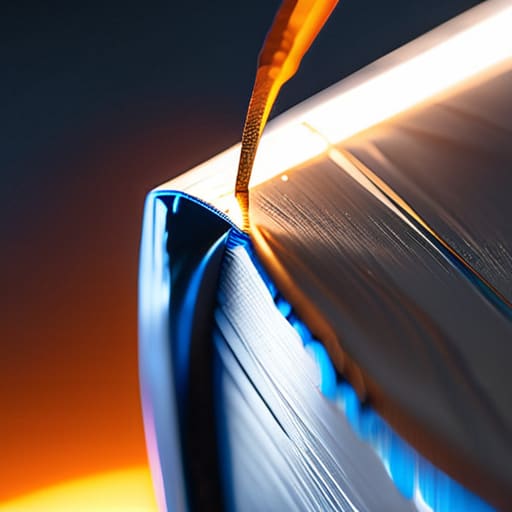
Welding is the process of using intense heat to melt the base metals themselves, fusing them together into a single, continuous piece of material. When you’re welding, you aren’t just sticking two things together; you are actually reconstructing the metal at a molecular level to create a bond that is often as strong as, or even stronger than, the original stock.
I’ve spent more hours than I can count under a hood, and I can tell you that there is nothing quite like the structural integrity you get from a proper bead. When I’m repairing a heavy-duty trailer frame or a piece of industrial machinery that’s seen better days, I rely on welding because I need that joint to never budge. If you’re building something meant to take a beating or carry a massive load, you don’t want a filler material acting as a middleman; you want those two pieces of steel to become one.
Brazing
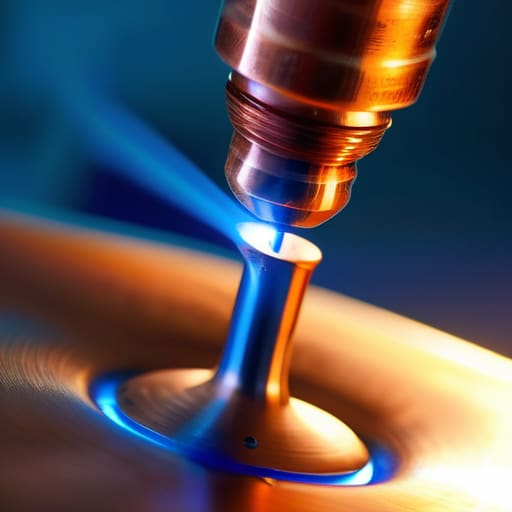
Brazing is a joining method where you use a filler metal with a lower melting point than your workpiece to create a bond through capillary action. Unlike other methods, you aren’t melting the base metal at all; instead, you are using heat to draw a specialized alloy into the tight spaces between your parts, which allows for exceptionally clean joints without warping the material.
In my workshop, I often turn to brazing when I’m working on delicate restorations or joining dissimilar metals that just won’t play nice together under a welding arc. I remember working on an old copper-to-steel fitting years ago; if I had tried to weld that, I would have ruined the piece in seconds. Brazing gives you a level of precision and control that heavy-duty welding simply can’t match, making it the go-to choice when you need a tight seal without destroying the integrity of the metal you’re trying to save.
Comparison of Joining Processes
| Feature | Brazing | Welding |
|---|---|---|
| Melting Point | Base metals do not melt | Base metals melt |
| Joint Strength | Moderate (dependent on filler) | Very High (fused) |
| Heat Input | Lower/Localized | Higher/Extensive |
| Material Versatility | High (dissimilar metals) | Limited (similar metals) |
| Complexity | High precision/capillary action | High skill/structural integrity |
| Cost | Lower equipment cost | Higher equipment cost |
| Best For | Small parts and dissimilar alloys | Heavy-duty structural assembly |
Respecting the Melting Point of Base Metals
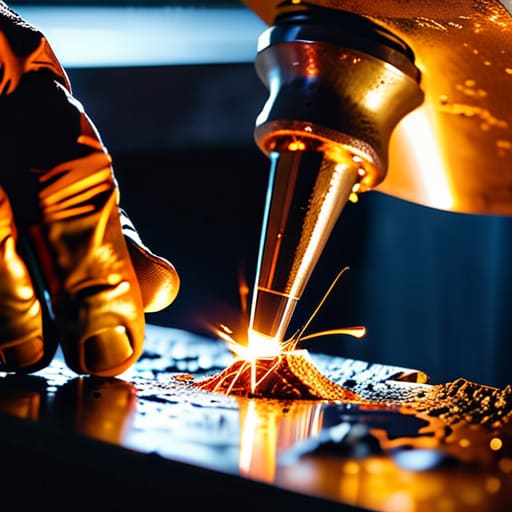
If you don’t respect the temperature of your metal, you aren’t working it—it’s working you. When we talk about the difference between brazing and welding, the most critical factor isn’t just how strong the joint is, but whether you’ve permanently altered the very material you’re trying to fix. If you overheat a piece, you’re not just joining it; you’re changing its soul.
With welding, you’re playing with fire. You have to melt the base metal itself to create that puddle, which means you’re introducing intense, localized heat that can warp or weaken the surrounding area if you aren’t careful. It’s a high-stakes game of precision. Brazing, on the other hand, is much more forgiving. Since you’re only melting a filler metal that sits in the joint, the base metal stays relatively intact. You’re essentially “gluing” it with heat rather than melting the foundation.
For anyone working on delicate restorations or thin-gauge antique pieces, brazing is the clear winner here. It allows you to get a solid bond without the constant fear of turning your workpiece into a twisted piece of scrap.
The Magic of Capillary Action in Brazing
When you’re looking at how two pieces of metal actually stay together, you have to look at how the filler material behaves. In the debate between brazing and welding, understanding how that liquid metal moves into the joint is the difference between a seamless bond and a structural failure that’ll snap the moment it takes a load.
Welding is a brute-force method; you’re melting the base metals themselves to fuse them into one single piece. There’s no “flow” in the traditional sense, just a pool of molten metal that you have to manage carefully so you don’t blow a hole right through your workpiece. It’s effective, but it’s unforgiving.
Brazing, on the other hand, relies on something much more elegant: capillary action. You aren’t melting the parts you’re joining; you’re just heating them enough to let the filler metal wick itself into every tiny crevice of the joint. It’s like how water climbs up a paper towel. This allows you to join complex shapes or thin tubing with a level of precision that welding simply can’t touch without risking heat damage.
For anyone working with intricate assemblies or tight tolerances, brazing wins this round every single time.
The Bottom Line Before You Strike an Arc
If you’re working with thin, delicate pieces or metals that lose their temper easily, stick to brazing; it keeps the heat focused and prevents you from warping a piece you’ve spent hours prepping.
When the job calls for pure, structural strength where the two metals need to become one single unit, welding is your only real option, but don’t expect it to be a quick or forgiving process.
Don’t just pick a method because it’s what you’re comfortable with; look at the metal in front of you and decide whether you need to melt the base or just flow a filler into the gap.
## The Difference Between Fusing and Filling
Welding is about forcing two pieces of metal to become one single, solid mass, but brazing is more like a handshake—you’re using a filler to marry the surfaces together without destroying the integrity of the metal itself. If you try to weld something that’s meant to be brazed, you’ll end up cooking the life right out of the workpiece.
Alistair Fenwick
Making the Right Call at the Bench
At the end of the day, choosing between brazing and welding isn’t about which method is “better” in a vacuum; it’s about which one respects the metal you’re working with. If you need a deep, structural bond that fuses two pieces into a single unit, you’re going to reach for the welder. But if you’re working with dissimilar metals or delicate parts where you can’t afford to melt the base material, brazing is your best friend. Remember that welding is about fusion, while brazing is about the strength of that filler metal flowing into the joint. Don’t go melting everything in sight just because you have the power to do it; use the right tool for the specific job to avoid unnecessary warping or cracking.
I’ve spent more years than I care to admit staring at glowing metal, and if there’s one thing I’ve learned, it’s that the metal always tells you what it needs if you’re patient enough to listen. Whether you’re laying down a bead or waiting for that capillary action to pull your filler into a tight seam, take your time. There is a real dignity in doing a job properly the first time so that the piece stays in service for the next generation. Stop looking for the quickest way to finish a task and start looking for the strongest way to build it. That’s how you turn a simple repair into a piece of work that actually lasts.
Frequently Asked Questions
If I'm working on a thin piece of vintage sheet metal, am I more likely to blow a hole right through it if I try to weld instead of brazing?
You hit the nail on the head. If you take a welder to thin, vintage sheet metal, you’re asking for trouble. Welding uses intense, concentrated heat that melts the base metal itself; on something thin, that heat spreads too fast and you’ll blow a hole right through it before you can even react. Brazing is much kinder here. Since you’re only melting the filler and keeping the base metal solid, you won’t ruin a good piece.
How do I know if the metal I've got on the workbench is actually clean enough for the filler to bond, or if I'm just going to end up with a weak joint?
If you have to squint to see the surface, it isn’t clean enough. I always tell my apprentices: if there’s any trace of oil, oxidation, or even a bit of shop dust, your filler is just going to bead up and roll off like water on a greasy pan. Take a wire brush or some fine grit to it first. If the metal doesn’t shine bright and uniform, you aren’t making a bond—you’re just making a mess.
Do I need to buy entirely different torches and gas setups for brazing, or can I use the same gear I use for my welding jobs?
You don’t need to go out and buy a whole new rig, but you can’t just grab your heavy-duty MIG welder and expect to get decent brazing results. If you’re doing torch brazing, you’ll need a proper oxy-fuel setup—oxygen and an acetylene or propane tank. Your welding machine is for fusing metal together, but brazing is about heat control and filler rod. Use your existing shop space, just make sure you have the right flame.
