I can still smell the burnt ozone and the hot, metallic tang of a shop floor at noon on a humid Tuesday. I remember standing over a custom chassis back in ’84, my ears ringing from the high-pitched whine of a heavy-duty angle grinder, feeling that familiar vibration travel right up my forearms. I was young, impatient, and I thought I could just muscle my way through the job. I spent three hours grinding metal to smooth out a weld, only to realize I’d overheated the steel so badly it had warped like a piece of cheap tin. That lesson—that you can’t bully the material into submission—stayed with me long after I hung up my industrial apron.
I’m not here to sell you on some fancy, overpriced new gadget or a complicated ten-step system that requires a degree in physics. What I want to do is show you how to actually work with the material. I’m going to share the hard-won tricks I’ve picked up over forty years so you can get a clean, professional finish without wasting good steel or your own damn time. We’re going to do this the right way: steady, controlled, and built to last.
Table of Contents
- Metalwork Abrasive Selection Choosing the Right Tool for the Job
- Metal Grinding Safety Precautions Protecting the Hands That Build
- Five Rules of Thumb to Keep Your Metal Flat and Your Temper True
- The Bottom Line on Getting the Grind Right
- The Cost of a Quick Finish
- The Final Polish
- Frequently Asked Questions
Metalwork Abrasive Selection Choosing the Right Tool for the Job
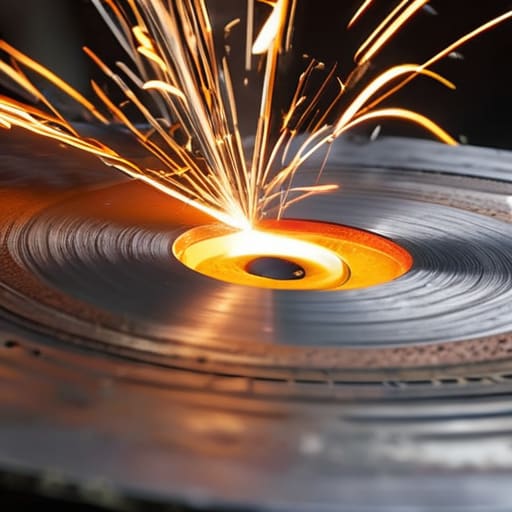
Now, don’t go wandering into the hardware store and grabbing the first cheap disc you see just because it’s on sale. That’s the fastest way to blow a hole through your workpiece or burn out a motor. When it comes to metalwork abrasive selection, you have to match the grit and the material to the specific task at hand. If you’re just looking at removing rust from steel on an old garden tool, a coarse grit is your friend to get that oxidation off quickly. But if you’re working on something more delicate, you’ll need to step it down.
I see a lot of young lads making the mistake of using a hard grinding wheel for everything. If you’re doing any serious welding seam grinding, you’ll find that a standard wheel is great for heavy material removal, but it’s too aggressive for a smooth finish. That’s where the debate of flap disc vs grinding wheel usually comes up in my shop. A flap disc gives you much more control and a smoother transition, which is vital if you’re trying to get those surfaces flush without leaving deep gouges that you’ll just have to spend three hours fixing later.
Metal Grinding Safety Precautions Protecting the Hands That Build
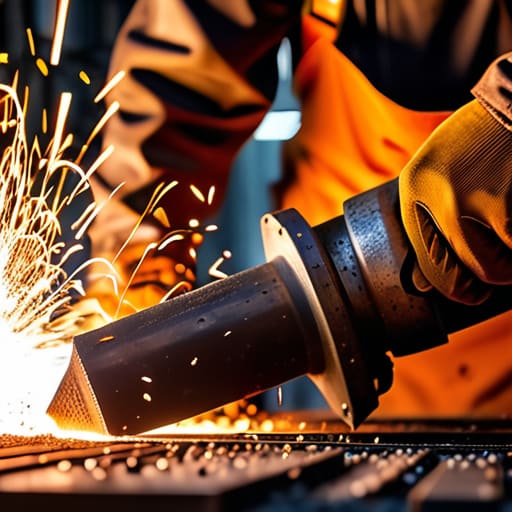
You can have the finest workshop in the county, but if you aren’t respecting the machine, you’re just waiting for an accident to happen. Before you even plug that grinder into the wall, you need to get your gear right. I’ve seen too many young fellas walk into a shop thinking a pair of cheap sunglasses is enough. That’s nonsense. You need a proper face shield over your safety glasses; those tiny shards of steel don’t care about your intentions, and they’ll find your eyes in a heartbeat. When you’re busy removing rust from steel or cleaning up a messy weld, the debris flies faster than you can blink.
Beyond the eyes, watch your hands. I always keep a bit of sandpaper in my pocket for the fine stuff, but for the heavy work, you need gloves that actually offer protection without making you lose your sense of touch. If you’re doing heavy welding seam grinding, you’re dealing with intense heat and vibration. Don’t get complacent. If the tool feels like it’s fighting you, stop. Back off. A machine doesn’t have a brain, but you do—use it.
Five Rules of Thumb to Keep Your Metal Flat and Your Temper True
- Watch the heat, not just the sparks. If you see the metal turning a deep blue or straw color while you’re working, you’ve gone too far. You’re not just changing the color; you’re messing with the heat treatment and making that steel brittle. If it gets too hot, back off and let it breathe.
- Don’t fight the tool. A grinder is meant to glide, not to be wrestled into submission. If you find yourself leaning your entire body weight into the machine just to make a dent, you’re using the wrong grit or you’re being impatient. Let the RPMs do the heavy lifting.
- Keep your contact light and consistent. I see too many youngsters try to take a massive chunk out of a workpiece in one pass. That’s how you end up with gouges that take three hours to fix. Take shallow, even passes. It’s better to go over a spot five times lightly than once too heavy.
- Clean your work before you start. I can’t tell you how many times I’ve seen someone grind right through a piece of grit or a stray bit of slag embedded in the surface. You’ll end up dragging that junk across your clean metal and leaving scars that no amount of sanding will ever truly hide.
- Listen to the sound of the motor. Your grinder will tell you when it’s struggling. If the pitch drops and the motor starts to bog down, you’re putting too much pressure on it. A steady, high-pitched hum is what you want; a low, labored groan means you’re working the machine harder than it wants to work for you.
The Bottom Line on Getting the Grind Right
Don’t go chasing speed at the expense of the metal; if you see the steel turning blue or purple from the friction, you’re running too hot and ruining the temper.
Match your abrasive to the specific task at hand, because using a coarse wheel when you need a finish grind is just a fast way to create more work for yourself later.
Treat your safety gear as part of your toolkit, not an afterthought, because a single stray spark or a shattered disc will put an end to your project much faster than any slow progress will.
The Cost of a Quick Finish
You can tell a lot about a man by how he treats a grind; if you’re just leaning on that tool to get the job done fast, you aren’t shaping the metal, you’re just fighting it—and the metal always wins in the end.
Alistair Fenwick
The Final Polish
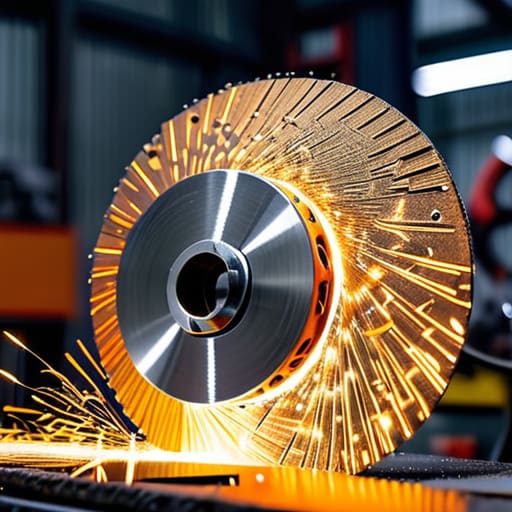
At the end of the day, successful grinding isn’t about how much metal you can strip away in ten minutes; it’s about the control you maintain over the tool. You’ve got to match your abrasive to the specific hardness of your workpiece, keep your eyes shielded, and never, ever let your guard down just because you think you’ve mastered the machine. If you respect the heat, listen to the pitch of the motor, and take your time with the transitions, you’ll find that the metal responds to you rather than against you. Don’t let a moment of impatience turn a clean edge into a ruined, heat-discolored mess that you’ll just have to grind all over again.
I’ve spent more years than I care to admit staring into a shower of sparks, and if there’s one thing I’ve learned, it’s that true craftsmanship lives in the details. A smooth finish isn’t just for show; it’s a testament to the patience you poured into the piece. When you finish a job and run your hand over a surface that’s perfectly even and free of gouges, you aren’t just looking at a piece of steel—you’re looking at your own discipline. So, keep your tools sharp, keep your workspace tidy, and remember that we aren’t just moving metal; we are building things that are meant to stand the test of time.
Frequently Asked Questions
How can I tell if I'm running the metal too hot and about to ruin the temper?
Watch the color, not the clock. If you see the steel turning a straw yellow, then a deep blue, you’ve already gone too far. That blue tint is a warning sign—it means you’ve softened the metal and killed the temper. If the surface starts looking discolored or “rainbowed,” back off immediately. Keep a bucket of water nearby; if you can’t touch the metal with a bare hand, you’re playing with fire.
Is there a real difference between using a flap disc and a standard grinding wheel, or is it just a matter of preference?
It’s not just preference; it’s about how much metal you intend to move. A standard grinding wheel is a heavy hitter—it’s meant for aggressive material removal and knocking down thick, uneven welds. But if you try to finish a surface with one, you’ll leave gouges all over the piece. That’s where the flap disc comes in. It’s much more forgiving, allowing you to transition from grinding straight into a smoother finish without changing tools.
What’s the best way to clean up the heavy gouges left behind by a coarse grind without spending hours on it?
Look, if you’ve left deep canyons in your steel with a coarse disc, you can’t just wish them away. The trick to saving time is working in stages. Don’t try to jump straight to a fine finish; you’ll just bounce around the surface and create more waves. Use a medium-grit flap disc next. It’s more forgiving than a hard grinding wheel and levels those gouges out much faster without chewing up the surrounding metal.
