I still remember the smell of ozone and singed hair from a job back in ’84, when a kid I was mentoring thought he could dodge his leather apron just to stay a bit cooler in the shop. He thought he knew better than the old-timers, but one stray spark from a grinding wheel changed his outlook on welding safety protocols real quick. It wasn’t some fancy textbook lesson that taught him; it was the sting of a burn that stays with you long after the metal has cooled. Most people today treat safety like a checklist of annoying rules designed to slow them down, but in a real workshop, those rules are the only thing standing between a productive afternoon and a trip to the emergency room.
I’m not here to bore you with a manual written by someone who’s never held a torch. Instead, I’m going to give you the straight truth on how to protect your eyes, your lungs, and your skin without turning your workspace into a sterile laboratory. We’re going to focus on the practical habits that actually keep you in the game, ensuring you spend your time perfecting your beads rather than nursing preventable injuries.
Table of Contents
The Proper Personal Protective Equipment for Welders
Now, let’s talk about what you actually put on your body before you strike an arc. I’ve seen too many young fellas walk into a shop thinking a pair of cheap sunglasses and a t-shirt will do the trick. That’s a quick way to end up with a permanent case of “welder’s flash” or a nasty burn that’ll peel like an orange. Your first line of defense is a proper auto-darkening helmet; don’t skimp on the lens shade. You need reliable arc welding radiation protection to save your eyes from that blinding UV light. If you aren’t protecting your vision, you aren’t working; you’re just gambling.
Beyond the eyes, you need to cover every inch of skin with heavy leather or treated cotton. I always keep a spare pair of gauntlet-style gloves hanging by my bench because once they get soaked with sweat or oil, they lose their grip. Don’t forget that respiratory protection in welding is just as vital as your leather apron. Those fumes aren’t just unpleasant; they’re toxic. If you’re working in a tight corner or a poorly ventilated shed, a decent respirator is the only thing standing between you and a lungful of metal dust.
Shielding Your Sight From Arc Welding Radiation Protection
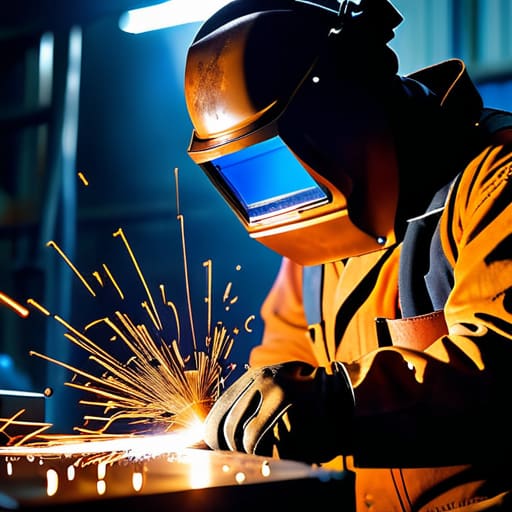
Now, let’s talk about something that’ll ruin your life faster than a bad weld: the light. When you strike that arc, you aren’t just seeing light; you’re staring down a concentrated blast of ultraviolet and infrared radiation. I’ve seen too many young fellas think they can just crack their hood up for a second to see where the puddle is going. That’s a fool’s errand. If you don’t take arc welding radiation protection seriously, you’ll be dealing with “arc eye” before the sun goes down. It feels like someone rubbed hot sand into your eyeballs, and let me tell you, there isn’t a piece of sandpaper in my pocket that can fix that kind of pain.
You need a helmet with a proper auto-darkening lens, and it better be rated for the specific type of work you’re doing. Don’t go cheap here; a flimsy lens is just a piece of plastic that won’t do a lick of good when the intensity ramps up. Beyond your own eyes, remember that this radiation is aggressive—it’ll bounce off shiny surfaces and hit anyone standing nearby. If you’re running a busy shop, make sure your workspace is shielded so you aren’t blinding your neighbors while you work.
Five Ways to Keep Your Skin and Shop from Catching Fire
- Check your leads and cables before you even think about striking an arc; a tiny nick in the insulation is just an invitation for a spark to jump where it shouldn’t.
- Keep your workspace clear of any rags, sawdust, or old grease, because one stray spark can turn a tidy shop into a bonfire before you’ve even finished your first bead.
- Never weld in a drafty area or near an open window if you can help it, as moving air pulls those nasty fumes right into your face instead of letting the ventilation do its job.
- Make sure your fire extinguisher isn’t just a decorative piece gathering dust in the corner; you need to know exactly where it sits and that it’s actually pressurized and ready to work.
- Watch your surroundings for more than just your weld pool, because a hot piece of slag can bounce off your workbench and land on something flammable halfway across the room.
The Bottom Line on Staying Safe at the Bench
Gear up properly before you ever strike an arc; skipping even one piece of protection isn’t being efficient, it’s being reckless with your own skin.
Treat your eyes like the precision tools they are—if you aren’t using a proper shield, you’re just waiting for a flash burn to ruin your ability to work.
Never let the pressure of a deadline make you sloppy with your safety routine, because a single mistake will cost you more time in the hospital than it would have taken to do the job right the first time.
## Respect the Arc
“A welding machine doesn’t care about your deadline or how much you think you know; it only cares about physics, and if you treat the safety protocols like a suggestion rather than a rule, the metal will win every single time.”
Alistair Fenwick
Respect the Arc, Respect the Craft
At the end of the day, all these protocols—from the heavy leather gloves to the way you position your hood—aren’t just boxes to check on a list. They are the foundation of every clean bead and every sound weld you’ll ever lay down. If you skip the proper gear or neglect your ventilation just to save a few minutes, you aren’t being efficient; you’re being reckless. I’ve seen too many young hands walk into a shop thinking they know better than the physics of a high-voltage arc, only to realize too late that shortcuts are the fastest way to ruin a piece of stock and your own health. Stick to the fundamentals, keep your workspace tidy, and never treat your safety equipment like an afterthought.
My old mentor used to say that a man is only as good as his tools and his discipline. That applies to your safety gear just as much as it applies to your welding machine. Real craftsmanship isn’t just about the finished product sitting on a pedestal; it’s about the integrity of the process you used to get there. When you respect the heat and the radiation, you develop a steady hand and a focused mind. So, take your time, check your surroundings, and build things that last, starting with your own well-being. If you take care of the shop and yourself, the metal will take care of the rest.
Frequently Asked Questions
How do I know if my gloves are actually worn out or if they still have enough life left in them for a heavy job?
Don’t just look at the palms and call it a day. Run your hands inside the glove; if you feel any thinning or holes, they’re done. Check the seams for fraying and the leather for any signs of oil saturation or hardening. If the leather feels brittle like old parchment, it won’t protect you from a stray spark or a heat soak. If you’re questioning it, toss them. A new pair of gloves is cheaper than a trip to the ER.
Is there a way to manage the fumes in a small garage setup without spending a fortune on a professional ventilation system?
Look, you don’t need a factory-grade extraction system to keep your lungs from turning to soot, but you can’t just wing it either. If you’re working in a tight garage, get a high-velocity floor fan to push the smoke away from your face, and position it so it pulls the fumes toward an open door or window. A simple DIY shroud made from scrap sheet metal can also help direct that nasty air toward your exhaust.
When am I actually at risk of a fire if I'm just doing light repair work on an old piece of cast iron?
Even with light repairs, you’re never truly “safe” from a fire if you’re careless. That cast iron might be old, but the sparks—the spatter—don’t care about the weight of your workpiece. They’ll fly into a pile of oily rags, dry sawdust, or even a crack in your concrete floor. Before you strike an arc, clear your workspace down to the bare essentials. If you haven’t cleared the clutter, you aren’t ready to weld.
