I can still smell that burnt ozone and singed hair from the summer of ’84, the year a young apprentice in my shop decided he was too good for a proper leather apron. He thought he could breeze through a heavy bead in a thin cotton shirt just to stay cool, but the arc had other plans. That’s the thing about welding safety; it isn’t some set of bureaucratic rules designed to slow you down or some expensive, high-tech gadgetry you need to buy to be “professional.” It’s about respecting the physics of what you’re doing. If you treat the heat like an enemy you can outsmart, it’ll find the one gap in your gear and remind you exactly who’s in charge.
I’m not here to lecture you with a manual or sell you on some overpriced, shiny new kit that’ll end up in a scrap bin by next year. I want to talk to you about the practical, hard-earned realities of staying intact while you work. I’m going to share the actual habits I’ve used over forty years to ensure I leave the shop with the same number of fingers I started with. We’re going to focus on the fundamentals that actually matter—the kind of knowledge that keeps your eyes clear and your skin unburned—so you can focus on the metal, not your mistakes.
Table of Contents
- Shielding Your Eyes and Skin Protection From Uv Radiation
- Armoring Up With Proper Personal Protective Equipment for Welders
- Mind Your Surroundings: Five Ways to Keep the Shop from Turning Against You
- The Bottom Line on Staying Safe at the Bench
- ## The Cost of a Shortcut
- Final Thoughts Before You Strike an Arc
- Frequently Asked Questions
Shielding Your Eyes and Skin Protection From Uv Radiation
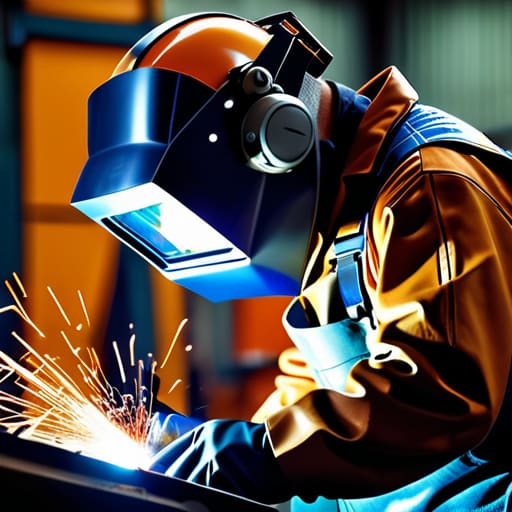
I’ve seen enough guys walk into a shop thinking they can just “peek” at the arc for a second to check their bead, only to spend the next three days nursing a headache and eyes that feel like they’ve been rubbed with coarse sandpaper. That’s not being tough; that’s being foolish. You need a decent auto-darkening helmet, and you need to make sure the shade level is actually right for the amperage you’re pulling. If you’re squinting, you’re doing it wrong.
It isn’t just about your eyes, either. People tend to forget that an arc is essentially a miniature sun sitting right in front of your face. That UV radiation doesn’t care if it’s mid-winter or a humid July afternoon; it will cook your skin just as fast. I always tell my apprentices that proper personal protective equipment for welders isn’t optional. Wear your leather jacket or heavy cotton sleeves, and for heaven’s sake, don’t leave any skin exposed at the wrists or neck. If you treat the arc with respect, you won’t be nursing a nasty sunburn next time you head out to the garden.
Armoring Up With Proper Personal Protective Equipment for Welders
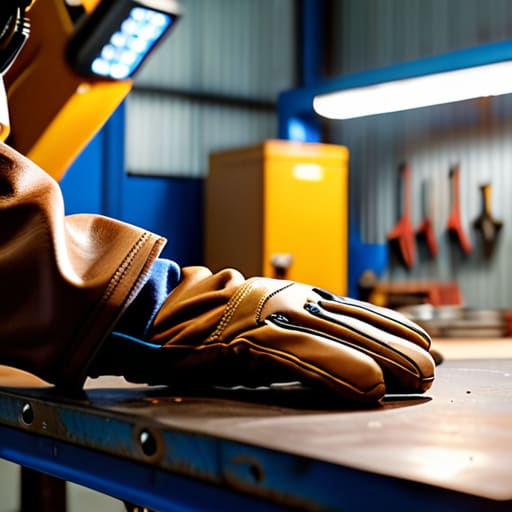
Now, don’t go thinking that a pair of old jeans and a t-shirt will cut it just because you’re only doing a quick tack weld. You need to treat your gear like it’s part of the machine. I’ve seen too many young lads walk into a shop with thin, synthetic fabrics that’ll melt to your skin the second a spark flies. You want heavy-duty leather aprons and gloves that can actually take a beating. Proper personal protective equipment for welders isn’t about being precious; it’s about making sure you don’t end up with a permanent reminder of a moment you thought you could skip the formalities.
Beyond the leather, you’ve got to keep an eye on what you’re breathing. If you’re working in a cramped corner without decent welding workshop ventilation, you’re asking for trouble. Those fumes aren’t just unpleasant—they’re nasty, and they’ll settle in your lungs long after you’ve turned the machine off. I always tell my apprentices: if the air feels heavy, you’re doing something wrong. Take the time to set up your fans or your extraction right. It’s better to spend five minutes prepping your workspace than spending a lifetime dealing with ruined respiratory health.
Mind Your Surroundings: Five Ways to Keep the Shop from Turning Against You
- Watch your workspace for trip hazards and clutter. I’ve seen too many young fellas trip over a rogue lead or a scrap pile while they’re mid-weld, and that’s a quick way to end up with a nasty burn or a broken limb. Keep your floor clear and your cables organized.
- Never weld in a cramped or poorly ventilated corner. You need to breathe, and those fumes are no joke—they’ll cloud your head faster than you think. If you can’t get a good flow of fresh air moving through the area, you’re asking for trouble.
- Keep a fire extinguisher within arm’s reach and know how to use it. It sounds obvious, but when a spark hits a pile of oily rags you forgot to clear away, you don’t want to be hunting through a toolbox for a way to put it out.
- Check your leads and connections before you strike an arc. A frayed wire or a cracked insulator might seem like a small thing, but electricity doesn’t care about your schedule; it’ll find a way through that gap and find you.
- Don’t work alone if you can help it. If something goes sideways—a nasty shock or a heavy piece of metal pinning you down—you need someone there to pull the plug or call for help. It’s better to have a second pair of eyes watching your back.
The Bottom Line on Staying Safe at the Bench
Don’t treat your PPE like an afterthought; if you aren’t fully geared up before you strike that first arc, you’ve already lost the battle against burns and flashes.
Watch your surroundings as much as your weld pool, because a clean, organized workspace is the only way to prevent a trip or a spill from turning a routine job into a disaster.
Never let a sense of urgency override your common sense—no project is worth a trip to the emergency room just because you wanted to shave five minutes off your setup time.
## The Cost of a Shortcut
“A welder’s greatest tool isn’t his torch or his rod, it’s his discipline; because the moment you think you’re too experienced to respect the arc or the heat is the exact moment the metal—or your own skin—decides to teach you a lesson you won’t forget.”
Alistair Fenwick
Final Thoughts Before You Strike an Arc
At the end of the day, welding safety isn’t about following a checklist just to satisfy some inspector; it’s about knowing that your gear is the only thing standing between a productive afternoon and a trip to the emergency room. We’ve talked about shielding your eyes from that nasty UV radiation and making sure you’re properly armored up against sparks and slag. If you neglect your skin or skip the heavy-duty gloves, you aren’t being a “fast” worker—you’re being a reckless one. Remember, a clean workspace and the right PPE are just as much a part of the craft as the weld itself. If you don’t respect the hazards, you’ll find yourself paying for it in ways that no amount of grinding can fix.
I’ve seen plenty of young folks come into the shop thinking they can outsmart the physics of an arc, but the metal doesn’t care about your ego. Real craftsmanship requires a steady hand and a focused mind, and you can’t have either if you’re distracted by a burn or a flash in your eyes. Take the time to set your station up right. Treat your tools and your body with the same level of care you give to a fine piece of steel. If you do that, you’ll find that precision and safety go hand in hand, and you’ll still be standing at your workbench decades from now, making things that actually matter.
Frequently Asked Questions
How do I know if my welding helmet lens is actually dark enough for the specific amperage I'm running?
Look, don’t guess with your eyesight. If you’re running high amperage and that arc feels like it’s punching through your shade, it’s too light. A good rule of thumb is to check your settings against the metal thickness and the rod diameter you’re using; thicker stock usually means you need a deeper shade. If you see any “flare” or a blinding white glare through the lens, stop immediately and crank that shade up.
Is there a real difference between a standard leather apron and a heavy-duty welding jacket when it comes to sparks and slag?
There’s a world of difference. A leather apron is fine for keeping sparks off your lap while you’re sitting at a bench, but it leaves your chest and arms wide open. If you’re standing up and moving around a heavy weld, you need a proper welding jacket. It covers your vitals and keeps that molten slag from finding a gap to burn your skin. Don’t skimp on coverage just to stay cool.
What’s the best way to keep my workspace clear of fumes without setting up a massive, expensive ventilation system?
Look, you don’t need a factory-grade extraction unit to breathe easy, but you can’t just rely on an open window and hope for the best. The trick is positioning. Get a high-velocity floor fan to push the smoke away from your face, and if you can, set it up to pull the fumes toward an exit. Keep your workspace small and organized; clutter just traps the bad air in the corners.
