I can still hear the sharp, rhythmic ping of a stray shard of steel hitting the concrete floor of the shop back in ’84. I was working on a heavy-duty bracket, feeling confident and a bit too rushed, when a tiny, glowing sliver decided to take a detour straight toward my face. It wasn’t a massive piece of scrap, just a minuscule bit of debris, but it reminded me in a heartbeat that the universe doesn’t care about your deadlines. Most folks think you can just grab any old pair of cheap plastic spectacles and call it a day, but if you aren’t investing in proper metalwork safety glasses, you’re essentially gambling with your sight.
I’m not here to sell you on some high-tech, overpriced brand that promises to make you look like a fighter pilot. I’ve spent forty years behind a grinder and a forge, and I know what actually holds up when the sparks start flying. In this guide, I’m going to cut through the marketing nonsense and tell you exactly what to look for in a pair of reliable eye protection. We’ll talk about fit, lens clarity, and why a cheap pair is the most expensive mistake you’ll ever make.
Table of Contents
Trust the Ansi Z871 Standard Not Cheap Plastic
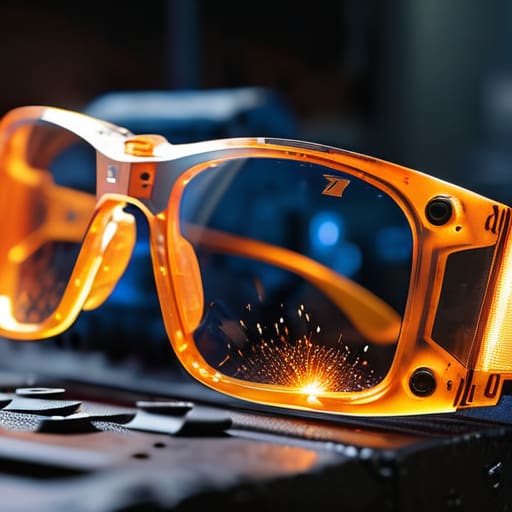
I’ve seen too many young fellas walk into a shop wearing those cheap, flimsy spectacles you find in a bargain bin at the local hardware store. They look fine enough until a stray shard of hot steel decides to test them. If you aren’t looking for that little stamp on the frame that says ANSI Z87.1 standard compliance, you aren’t really wearing protection; you’re just wearing plastic. That rating isn’t some bureaucratic hoop to jump through; it’s the difference between a minor scare and a permanent trip to the ophthalmologist.
When you’re doing heavy grinding, you need more than just a clear view. You need polycarbonate lens durability that can take a hit without shattering into your eyes. I always tell my apprentices to look for gear that includes decent side shield protection as well. It doesn’t matter how good your front lenses are if a spark flies in from the periphery while you’re leaning over the anvil. Don’t go cheap on the one thing standing between your vision and a lifetime of regret.
Why Polycarbonate Lens Durability Matters When Sparks Fly
When you’re standing at the grinder, you aren’t just dealing with dust; you’re dealing with high-velocity projectiles. I’ve seen too many fellas grab some cheap, flimsy spectacles from a bargain bin, thinking they’re protected. That’s a mistake you only make once. You need polycarbonate lens durability to ensure that when a stray shard of steel hits your face, it bounces off instead of shattering into your eye. Polycarbonate is tough, but it’s also lightweight, which means you won’t be constantly adjusting them while you’re trying to hold a steady line.
It isn’t just about the impact, either. If you’re working in a humid shop or wearing a mask, those lenses can fog up in a heartbeat. A decent pair of industrial safety eyewear should come with a reliable anti-fog coating so you aren’t working blind. There is nothing more dangerous than a craftsman who has to stop mid-stroke because he can’t see the workpiece. If you can’t see the spark, you can’t control the cut, and that’s when things go south fast.
Five Ways to Stop Being Careless With Your Eyes
- Get a pair that actually stays on your face. If you’re bending over a workbench or grinding an angle, the last thing you want is your glasses sliding down your nose every thirty seconds. If they don’t fit snug, they aren’t doing their job.
- Stop reusing scratched-up lenses. I’ve seen guys working with lenses so scuffed up they can barely see the line they’re supposed to be following. If your vision is blurry because of scratches, you’re going to make a mistake, and in this shop, mistakes lead to accidents.
- Check the seal around your temples. It isn’t enough to just have lenses in front of your eyes; you need side shields. Fine metal dust and those tiny, glowing sparks have a way of finding their way around the edges of cheap frames if you aren’t careful.
- Don’t forget about fogging. There’s nothing more frustrating—or dangerous—than having to stop mid-weld because your glasses have turned into two little clouds of steam. Invest in a pair with a decent anti-fog coating so you can actually see the metal you’re working on.
- Treat your gear like your tools. Don’t just toss your glasses onto a cluttered workbench where they can get stepped on or covered in grinding grit. Keep them in a proper hard case when you aren’t wearing them, or you’ll be buying a new pair every single week.
The Bottom Line on Protecting Your Sight
Stop buying those cheap, flimsy glasses from the big-box hardware stores; if they aren’t stamped with the ANSI Z87.1 mark, they aren’t worth the plastic they’re made of.
Look for polycarbonate lenses that can actually take a hit, because a single stray spark or a shard of metal can shatter low-grade plastic right into your eye.
Treat your safety gear like your tools—inspect them for scratches or cracks every single time you walk into the shop, because once a lens is compromised, it’s useless.
## Don't Gamble with Your Sight
I’ve seen plenty of young fellas try to save a few bucks by wearing some flimsy bit of plastic they found in a junk drawer, but you can’t patch a lost eye with a welding rod; if you aren’t wearing proper Z87.1 rated glasses, you aren’t working, you’re just gambling with your future.
Alistair Fenwick
Protecting Your Most Important Tools
At the end of the day, it comes down to common sense. You’ve learned that skipping the ANSI Z87.1 rating to save a few bucks isn’t worth the risk, and you know that cheap, flimsy plastic won’t stand a chance against a stray shard of hot slag. Investing in high-quality polycarbonate lenses isn’t just about following a rulebook; it’s about ensuring that when a spark flies toward your face, your equipment handles the hit so you don’t have to. Don’t let a moment of cheapness turn into a permanent injury. If you’re going to do the work, do it with the right gear, or don’t do it at all.
I’ve seen too many young folks walk into a shop thinking they’re invincible, only to realize too late that metal doesn’t care about your ego. Your eyes are the most important tools in your entire workshop, and unlike a broken grinder or a scorched anvil, you can’t just order a replacement part when they’re gone. Treat your safety gear with the same respect you give your finest hand tools. Work hard, work smart, and always keep your eyes on the prize—which, in this business, is making it home in one piece to work again tomorrow.
Frequently Asked Questions
Can I just use my regular prescription glasses and add some side shields, or is that asking for trouble?
Look, I’ve seen enough guys try to “make do” with their everyday spectacles to know it’s a bad idea. Adding side shields to regular prescription glasses is asking for trouble. Those frames aren’t built to take a strike, and they certainly aren’t designed to keep a stray shard from sliding right under the rim. If you need a prescription, get yourself some real safety glasses with built-in Rx lenses. Don’t gamble with your sight.
How often am I actually supposed to replace my safety glasses once they start getting those tiny scratches from the grinding dust?
Look, I’ve seen plenty of fellas try to squeeze one last week out of a scratched-up pair. Don’t be one of them. Once those tiny pits and scratches from the grinding dust start blurring your vision or catching the light, they’re done. It isn’t just about clarity; those scratches weaken the lens and can actually trap debris against your eye. If you’re squinting to see your work through a haze, swap them out immediately.
If I'm doing a lot of heavy welding or grinding, should I be looking at a full face shield instead of just standard glasses?
Look, if you’re just doing some light filing, glasses are fine. But if you’re standing in front of a grinder or a welding rig, you’re asking for trouble if you don’t use a face shield. Grinding throws hot shards that’ll find the gap between your glasses and your cheek every single time. A shield protects your whole face, not just your eyes. Don’t skimp on the coverage; your skin deserves as much respect as your sight.
