I remember standing over a workbench back in ’84, staring at a piece of high-carbon steel that I’d spent three hours forging, only to realize I’d botched the edge. I reached for a cheap, soft-tooth file I’d picked up at a big-box hardware store, and within ten minutes, the teeth were clogged and the tool was practically useless. It’s the same frustration I see today: people spend a fortune on fancy, computerized grinders when they should be investing in a proper set of metal-working files. You can’t automate the feel of the metal under your hand, and no machine is going to teach you the patience required to get a truly clean finish.
I’m not here to sell you on some overpriced, shiny new gadget that’ll end up in a junk drawer by next Christmas. My goal is to cut through the noise and show you which tools actually deserve a permanent spot in your kit. I’ll walk you through the different cuts, the importance of tooth geometry, and how to maintain them so they last as long as the projects you’re building. We’re going to focus on doing the job right the first time, because in this shop, we build things to last.
Table of Contents
Choosing Between a Bastard Cut vs Smooth File
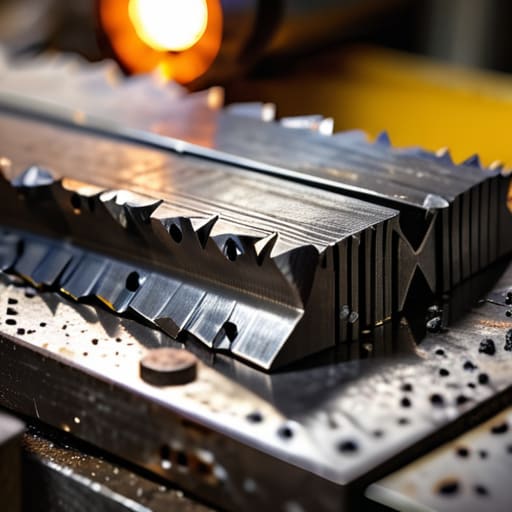
Now, when you’re standing at your bench looking at a pile of stock, you’ve got to decide how much heavy lifting you actually need to do. Most folks get confused between a bastard cut vs smooth file, but it really comes down to how much material you’re trying to move. A bastard cut is your workhorse; it has deeper, more aggressive teeth designed for rapid material removal. If you’ve got a rough weld or a piece of steel that’s far from its final dimension, you start there. Don’t even think about reaching for the fine stuff until you’ve done the bulk of the work, or you’ll just clog up the teeth and waste your afternoon cleaning them.
Once you’ve got the shape roughly where it needs to be, that’s when you switch gears for precision metal shaping. This is where the smooth file comes into play. It’s meant for refining the surface and taking off those last few microns to get a clean, professional finish. If you try to use a bastard file for the final pass, you’re going to leave deep scratches that no amount of sanding will easily fix. It’s all about the progression—start heavy, finish light.
Mastering Precision Metal Shaping Through File Teeth Patterns
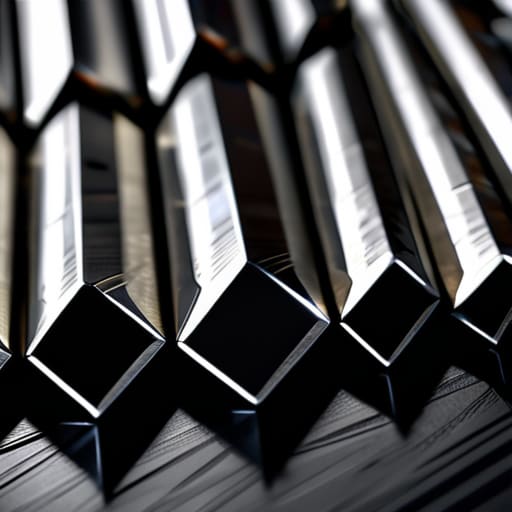
Once you’ve settled on the right coarseness, you need to understand how the actual teeth on the tool dictate your progress. I’ve seen too many young lads grab a file and just start pushing, wondering why their finish looks like a plowed field. It all comes down to the file teeth patterns. If you’re working with a single-cut file, you’re looking at a smoother, more controlled removal of material, which is essential when you’re nearing the final dimensions. On the other hand, double-cut files have those intersecting diagonal grooves that bite deep; they’re great for heavy stock removal, but if you use them too late in the process, you’ll spend hours trying to buff out the gouges they leave behind.
Precision isn’t just about strength; it’s about knowing which pattern matches your intent. When I’m doing precision metal shaping on a delicate restoration piece, I treat the file almost like a surgical instrument. You have to respect the direction of the teeth. If you find the tool is clogging up with metal shavings—what we call “pinning”—don’t just keep pushing. Stop, clean it out, and maybe check your metalworking tool maintenance by using a proper file card. A clogged file is a useless file, and it’ll only ruin your edge.
Five Rules to Keep Your Files from Becoming Scrap Metal
- Clean your teeth often. I’ve seen too many young fellas struggle with a dull-feeling file when all they really need is a good file card. If those tiny metal chips get packed in there, you aren’t cutting anymore—you’re just sliding over the surface, and you’re going to scratch the work you’re trying to refine.
- Watch your pressure. A file isn’t a hammer; you don’t force it. You want a steady, even stroke, applying the pressure on the forward push and lifting it just a hair on the return. If you press too hard on the backstroke, you’ll snap those fine teeth off, and once they’re gone, that file is nothing more than an expensive piece of steel.
- Don’t skip the intermediate steps. If you start with a coarse bastard cut and try to jump straight to a smooth finish, you’re going to spend twice as long fighting deep scratches. Work your way down the scale—coarse, then second cut, then smooth. It takes more patience, but it’s the only way to get a surface that actually looks professional.
- Keep the workpiece steady. If your metal is vibrating or shifting under the file, you’re going to end up with a wavy edge that’ll take hours of grinding to fix. Clamp it down tight in a heavy vise, and if you can, use soft jaws so you don’t mar the finish of the piece you’re working on.
- Respect the edge. I always keep a bit of sandpaper in my pocket for the really fine stuff, but for the files themselves, treat them with respect. Don’t go dropping them on the concrete shop floor. A single hard impact can chip the teeth, and a chipped file is a dangerous tool that’ll ruin a good piece of metal in a heartbeat.
Lessons from the Bench
Don’t go chasing a finish you haven’t earned; start with a bastard cut to move the bulk of the material and only move to a smooth file once the geometry is true.
Match your file pattern to the job at hand, because using the wrong teeth is just a fast way to scratch your workpiece and waste your afternoon.
Treat your files with respect by cleaning them regularly; a clogged file is a useless file, and you can’t do precision work with a tool that’s fighting you.
## The Truth About the Grind
A file isn’t just a tool to shave off metal; it’s how you feel the soul of the piece. If you’re fighting the steel instead of working with it, you’ve already lost the battle.
Alistair Fenwick
Respect the Work, Respect the Tool
At the end of the day, choosing the right file isn’t about having the biggest kit in your drawer; it’s about understanding the relationship between the teeth and the metal in front of you. We’ve talked about why you shouldn’t reach for a smooth file when a bastard cut is what the job demands, and why those patterns—whether they’re single-cut or double-cut—matter more than most folks realize. If you rush the filing or use a tool that’s too fine for the initial shaping, you’re just fighting against the material instead of working with it. Take a moment to check your edges and ensure your tool is clean; a clogged file is a wasted effort, and in my shop, I don’t believe in wasting time or material.
I’ve spent forty years watching people try to bypass the slow parts of the job, thinking they can skip straight to the finish. But the truth is, the real quality shows up in the details you can only achieve through steady, patient handwork. A file might seem like a simple tool, but it’s the bridge between a rough hunk of iron and a finished piece of craftsmanship. So, don’t be in such a hurry to put the tool down. Build it right the first time, and remember that the pride you feel when you run your hand over a perfectly smooth, hand-filed edge is something no machine can ever replicate for you.
Frequently Asked Questions
How often should I be cleaning the metal shavings out of my file teeth to keep them from clogging up?
Don’t wait until the teeth are packed tight with metal to reach for your file card. If you let those shavings build up, you’ll start scratching the surface of your workpiece instead of smoothing it, and that’s a mistake you can’t un-do. I make it a habit to clear the teeth every few minutes of work, or whenever I feel the resistance change. Keep it clean, keep it sharp, and don’t fight the tool.
Is there a real difference between a high-quality file and one of those cheap sets you find in a big-box store, or is it just marketing?
It isn’t marketing; it’s metallurgy. Those cheap sets from the big-box stores are usually made of soft, low-carbon steel. They’ll feel fine for the first five minutes, but the teeth will roll over or dull the moment you hit actual hardened steel. A quality file is tempered properly to hold an edge. You’ll spend more time re-filing your files than actually working the metal if you buy the cheap stuff. Buy once, buy right.
When I'm working on something delicate, like an antique tool, how do I stop the file from digging in too deep and ruining the surface?
When you’re working on something old and fragile, you’ve got to lighten your touch. Don’t lean into the file like you’re trying to shave off a chunk of steel; instead, let the teeth do the work. Use a fine-cut file, keep your strokes short and controlled, and always keep a steady, light pressure. If you feel yourself pushing too hard, stop. It’s better to take ten extra passes than to gouge a piece of history you can’t undo.
