I remember a Tuesday back in ’84, working a heavy fabrication job in a shop that felt more like a tomb. I was grinding down some thick stainless, and within ten minutes, the air was so thick with metallic dust and ozone you could practically chew it. My lungs felt heavy, and my eyes were stinging like I’d been hit with sand. That was the day I realized that most people treat metal workshop ventilation like an afterthought—something you only worry about once you’re coughing up grey soot. They think a single shop fan tucked in a corner is going to do the job, but that’s just a way to swirl the poison around your head instead of getting rid of it.
I’m not here to sell you on some overpriced, high-tech air scrubbing system that’ll cost more than your welder. I want to talk about what actually works when you’re in the thick of it. I’m going to show you how to set up a system that actually clears the air, using practical methods that won’t break the bank. We’re going to focus on real solutions that keep your lungs clear so you can stay in the shop for the long haul.
Table of Contents
- Why General Ventilation Fails When Welding Smoke Removal Matters
- Dont Rush the Setup Calculating Real Workshop Air Exchange Rates
- Five Ways to Keep Your Air Clean and Your Lungs Working
- The Bottom Line on Keeping Your Air Clean
- ## The Cost of Cutting Corners
- Don't Cut Corners on the Air You Breathe
- Frequently Asked Questions
Why General Ventilation Fails When Welding Smoke Removal Matters
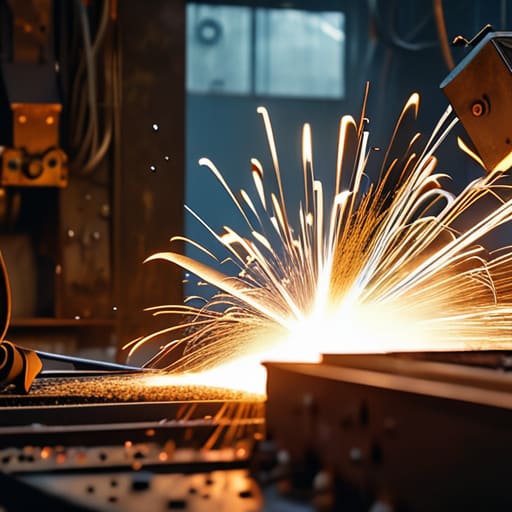
Most folks think that if they just crack a window or point a standard pedestal fan at the ceiling, they’ve solved the problem. That’s a mistake that’ll cost you your health long before it costs you your time. A ceiling fan or a breeze from the garage door might move the air around, but it isn’t actually removing the toxins; it’s just swirling them from one corner of the shop to another. When you’re under the hood, you’re sitting right in the thick of it, and general air movement does nothing to stop those fine particulates from settling right into your lungs.
The real difference lies in understanding local exhaust ventilation vs general ventilation. General airflow is fine for keeping the shop from getting too stuffy on a July afternoon, but it’s useless for serious welding smoke removal. To get the job done right, you need a system that captures the fumes at the source—right where they’re being generated—before they ever have a chance to drift across your workspace. If you aren’t pulling the smoke away from your face immediately, you’re essentially just breathing in your own mistakes.
Dont Rush the Setup Calculating Real Workshop Air Exchange Rates

Most folks make the mistake of thinking a single box fan in the window is going to do the job. It won’t. When you’re grinding or running a bead, you aren’t just dealing with a little bit of dust; you’re dealing with fine particulates and heavy gases that settle in the corners of your shop. To do this right, you need to look at your workshop air exchange rates based on the actual volume of your space, not just the square footage of the floor. If you’ve got high ceilings, you’ve got more air to move, and if you don’t account for that, you’re just swirling the poison around instead of getting it out.
I’ve seen too many young guys rely solely on respiratory protection in metalworking as a crutch, thinking a decent mask makes a poorly ventilated shop acceptable. It’s a dangerous way to work. A mask is your last line of defense, not your primary one. You need to calculate how many times per hour that air needs to be completely replaced to keep the atmosphere clear. If you aren’t pulling the bad air out at the source, you’re just working in a cloud of your own making.
Five Ways to Keep Your Air Clean and Your Lungs Working
- Get the source right. Don’t just rely on a big fan in the window to pull air from across the room; you need to position your extraction hood as close to the weld puddle as possible to catch those fumes before they ever reach your face.
- Stop treating your filters like they’re permanent. I’ve seen too many guys working through clogged, heavy filters because they’re too lazy to swap them out, but a choked filter just turns your expensive ventilation system into a useless metal box.
- Watch your air currents. If you’ve got a massive shop fan blowing a gale from one side of the room to the other, you’re likely just swirling the smoke around your workspace instead of pulling it out, so position your intake and exhaust to create a steady, one-way path.
- Don’t forget the grinding dust. Ventilation isn’t just for the heavy welding smoke; if you’re spending half your day at the grinder, you need a way to pull that fine metal grit out of the air, or you’ll be breathing in microscopic shards all afternoon.
- Keep a backup plan. If your main extraction unit fails mid-job, don’t just keep pushing through; shut the machine down, open the bay doors, and get some fresh air moving through the shop until you can get the system sorted properly.
The Bottom Line on Keeping Your Air Clean
Stop relying on a standard ceiling fan to clear out welding fumes; you need targeted extraction right at the source to actually pull the smoke away from your face.
Do the math on your air exchange rates before you start buying equipment, or you’ll end up with a shop that stays hazy no matter how many fans you run.
Treat your lungs like one of your most important tools—if you don’t maintain the environment they work in, you won’t be able to man the anvil for much longer.
## The Cost of Cutting Corners
“You can buy the cheapest welding mask on the market and still end up with lungs full of grit; if you aren’t pulling the fumes out of the room, you’re just breathing in the mistakes you’re trying to fix.”
Alistair Fenwick
Don't Cut Corners on the Air You Breathe
At the end of the day, setting up your shop isn’t just about having the right welder or a sturdy enough anvil; it’s about the environment that keeps you standing. We’ve talked about why a simple window fan won’t cut it when you’re burning through rod, and why you need to actually do the math on your air exchange rates instead of just guessing. If you ignore the fumes and the fine dust from grinding, you aren’t just making a mess—you’re poisoning your own workspace. Investing in a proper extraction system and ensuring your airflow is calculated correctly is just as much a part of a solid shop setup as sharpening your chisels or calibrating your torch.
I’ve spent forty years in shops, and I’ve seen plenty of good craftsmen hang it up far too early because they thought they were “tough enough” to ignore the smoke. Don’t make that mistake. We work with metal because we value things that are built to last, and that includes your own lungs and your long-term health. Treat your ventilation with the same respect and precision you give to a fine weld or a delicate restoration. Build your shop right, protect your body, and you’ll be able to keep your hands busy at the bench for a whole lot longer.
Frequently Asked Questions
Is a standard shop fan enough to clear out the fumes after a heavy grinding session, or am I just moving the dust around?
Look, I’ve seen plenty of guys think a standard shop fan is a magic wand. It isn’t. If you’re grinding heavy steel, that fan is mostly just swirling the fine particulate around your breathing zone before it eventually settles on your tools and lungs. You aren’t clearing the air; you’re just stirring the soup. You need actual extraction—something that pulls the dust out of the air entirely, rather than just pushing it to the other side of the room.
How do I figure out where to place my extraction hood so I'm actually catching the smoke before it hits my face?
Look, if you’re waiting for the smoke to drift toward the hood before you turn it on, you’ve already lost the battle. You want that extraction source as close to the arc as physically possible without getting in your way. Aim to catch the plume right at the point of origin. If you’re working at a bench, position the hood so it pulls the fumes away from your breathing zone, not just pulling air from the ceiling.
I’ve heard people talk about air filtration units—are those worth the investment, or am I better off just opening the garage doors?
Opening the garage doors is a fine start on a breezy day, but don’t mistake a draft for real filtration. A door won’t catch the fine particulate matter or the heavy fumes hanging right in your breathing zone while you’re hunched over a weld. If you’ve got the budget, an air filtration unit is a solid investment. It pulls the invisible nasties out of the air that a simple breeze just pushes around.
