I remember standing in a fabrication shop back in the late eighties, surrounded by a floor so cluttered with twisted offcuts and rusted shavings that you could barely walk without catching a boot on something. My foreman used to yell that we were “losing money with every step,” and he was right, though not for the reasons the accountants thought. Most folks today treat metalwork scrap management like it’s some complex logistical puzzle meant for big corporations with fancy software, but that’s a load of rubbish. In a real shop, it isn’t about spreadsheets; it’s about the discipline of the workspace and knowing that a six-inch piece of mild steel isn’t trash—it’s a shim, a bracket, or a fix waiting to happen.
I’m not here to sell you on some high-tech organizational system that’ll take more time to maintain than the actual welding. I want to show you how to sort your bin, respect your material, and keep your shop from turning into a graveyard of wasted potential. We’re going to talk about practical, common-sense methods for keeping your offcuts useful and your workspace clear, so you can spend less time tripping over junk and more time building things that actually last.
Table of Contents
Mastering Ferrous vs Non Ferrous Scrap Separation
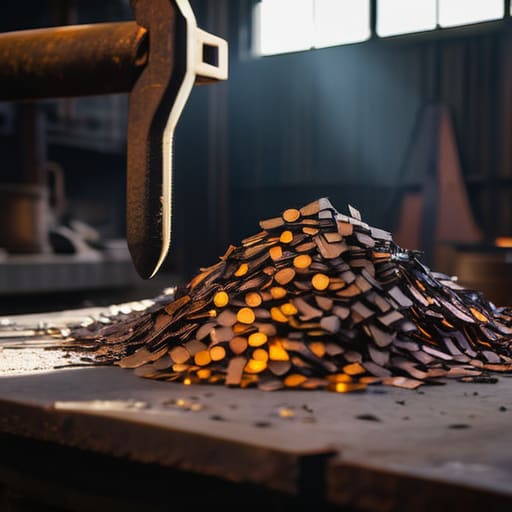
Now, if you walk into a disorganized shop, you’ll likely see a heap of metal that looks like nothing more than a pile of junk. But to a person who knows their way around a forge, that pile is a collection of different values. The first thing you need to get right is ferrous vs non-ferrous scrap separation. I always tell my apprentices: if a magnet sticks to it, it’s ferrous—steel, iron, the heavy stuff. If it doesn’t, you’re likely looking at aluminum, copper, or brass. Mixing them up is a rookie mistake that’ll cost you money when you finally head down to the yard.
Don’t just throw everything into one bin and hope for the best. You need to implement proper scrap metal sorting techniques right at your workbench. I keep a dedicated bin for my steel offcuts and a separate, smaller container for the high-value non-ferrous bits like copper tubing or brass fittings. It takes an extra ten seconds of thought, but it’s the only way to ensure you aren’t leaving money on the table. Treating your waste with that kind of discipline is just part of being a professional.
Sustainable Metal Fabrication Practices for the Real Craftsman
Now, being a craftsman isn’t just about what you pull out of the furnace; it’s about how you handle what’s left behind. True sustainable metal fabrication practices aren’t some modern buzzword for me—it’s just common sense learned the hard way. If you’re constantly throwing away usable offcuts because you’re too lazy to measure twice, you’re essentially throwing money into the bin. I’ve always found that keeping a dedicated “short-stock” bin for those smaller pieces of plate or rod saves more time than you’d think. You’d be surprised how often a “scrap” piece of 1/4-inch steel ends up being the perfect shim or bracket for a repair job later on.
Beyond just saving material, you have to think about the end of the line. If a piece is truly beyond saving, don’t just toss it in a heap and call it a day. You need to be mindful of maximizing metal recycling value by ensuring your bins are clean and free of contaminants like grease or heavy coatings. A messy, contaminated pile is worth next to nothing at the yard. Treat your waste with the same discipline you treat your welding beads, and you’ll find your workshop runs a lot cleaner and your wallet stays a bit heavier.
Five Ways to Stop Treating Your Offcuts Like Garbage
- Stop tossing everything into one big bin. I’ve seen too many young fellas throw a perfectly good length of mild steel into a pile of aluminum shavings. If you keep your offcuts sorted by grade and alloy from the moment they leave the saw, you won’t be digging through a mountain of junk when you’re halfway through a project and realize you’re short a piece.
- Label your bins with more than just a Sharpie scribble. A bit of discipline goes a long way; I like to use a small metal tag or even just a clear, handwritten note taped to the side that specifies the exact material and thickness. It saves you from the headache of trying to guess if that strip is 1/8th or 3/16th when your eyes are tired at the end of a long day.
- Keep a “short stock” rack within arm’s reach of your workbench. You shouldn’t have to go hunting through the main scrap pile for a two-inch spacer or a small gusset. If you have a dedicated spot for those usable bits that are too small for a major build but too good to toss, you’ll find yourself finishing jobs faster and with less frustration.
- Respect the cleanliness of your scrap. If you’ve got a piece of steel that’s been sitting in a puddle of coolant or covered in oily sawdust, clean it off before you put it away. If you let the grime build up, you aren’t just managing scrap; you’re managing a mess that’s going to make your next weld a nightmare.
- Don’t be afraid to repurpose the “unusable.” A piece of scrap that’s too small for a structural component might be the perfect shim for a jig or a heavy-duty washer for a custom repair. In my shop, nothing is truly waste until it’s been melted down; until then, it’s just material waiting for a different purpose.
The Bottom Line on Your Metal Pile
Stop treating your offcuts like trash; a sorted scrap bin is just a library of parts waiting for a purpose, and keeping your ferrous and non-ferrous separate is the first step to not wasting your own time or money.
Respect the material by choosing quality over convenience, because if you’re constantly working with substandard, salvaged junk just to save a few cents, you’ll end up spending twice as long fighting the metal instead of shaping it.
Build a habit of cleanliness and organization in your shop now, because a cluttered workspace leads to rushed decisions, and as I’ve learned over forty years, a rushed decision is usually the one that ends with a ruined workpiece or a trip to the doctor.
## The Cost of a Messy Floor
“A pile of unorganized offcuts isn’t just a mess; it’s a collection of wasted potential. If you can’t be bothered to sort your steel from your aluminum today, you’ve already lost the discipline required to do a proper job tomorrow.”
Alistair Fenwick
The Final Polish
At the end of the day, managing your scrap isn’t just about tidying up a messy shop floor; it’s about the discipline you bring to the bench. We’ve talked about why you can’t afford to mix your ferrous and non-ferrous metals, and why treating every offcut like a potential component is better than treating it like trash. If you take the time to sort your bins properly and keep your workspace sustainable, you aren’t just saving a few dollars on material costs—you are honoring the raw elements you work with every single day. A cluttered, disorganized scrap pile is just a sign of a cluttered mind, and in this trade, precision starts before the first spark flies.
I’ve spent forty years watching tools come and go, but the metal stays. It’s a stubborn, honest material that demands your respect, and that respect should extend to the bits you don’t use in the moment. Don’t let the rush of a deadline turn you into someone who just tosses good steel into a heap. When you treat your waste with the same care you give your finished projects, you’re practicing the true essence of craftsmanship. Build your shop, and your legacy, on the principle that nothing of value should ever be wasted. Keep your edges sharp and your scrap sorted.
Frequently Asked Questions
Is it worth the extra time to clean grease and paint off my offcuts before I set them aside, or does that just waste more effort?
Look, I get the temptation to just toss them in the bin and call it a day, but if you want to do this right, you clean them. Grease and paint aren’t just messy; they’re contaminants. If you try to weld or grind a piece later and it’s coated in old sludge, you’re going to fight the metal the whole time. It’s worth the extra ten minutes now to save an hour of frustration later.
How do I know when a piece of metal is actually "scrap" and when it's just a small part of a future project I haven't planned yet?
Look, there’s a fine line between a useful offcut and clutter. I use a simple rule: if I can’t see a clear, immediate use for a piece within six months, it’s scrap. If it’s a specific length or shape that fits a known repair, I tag it and bin it. But if it’s just “maybe” metal, it’s just taking up bench space. Don’t let your shop become a graveyard for “what-ifs.”
What's the best way to organize my bins so I'm not constantly digging through a mess every time I need a specific length of rod or plate?
Stop treating your scrap bin like a graveyard. If you’re digging through a pile of tangled rods and jagged plate, you’re wasting time you could be using at the anvil. Get some heavy-duty, labeled bins or build some simple wooden racks. Sort by material first, then by shape—keep your long rods in vertical tubes and your flat plate in slim, stackable trays. If you can’t see it at a glance, you don’t own it; you’re just fighting it.
