I can still smell the ozone and burnt steel from the time I nearly lost a finger back in the fabrication shop in ’84. It wasn’t some high-tech equipment failure that did it; it was a moment of pure, unadulterated impatience. I thought I knew the tool well enough to skip the guard for a tighter cut, and that one split-second decision turned a routine job into a trip to the emergency room. People today act like angle grinder safety is just some list of tedious rules you find in a dusty manual, but I’m telling you, it’s the difference between finishing a project and finishing a hospital visit.
I’m not here to bore you with corporate checklists or fancy jargon that doesn’t mean a lick in a real workshop. Instead, I’m going to give you the straight truth based on forty years of making mistakes so you don’t have to. We’re going to talk about how to actually respect the tool, from choosing the right disc to understanding how a kickback feels before it happens. I promise to keep this practical and honest, because if you want to build things that last, you have to ensure you last long enough to see them finished.
Table of Contents
Why Correct Disc Rpm Rating Matters More Than Speed
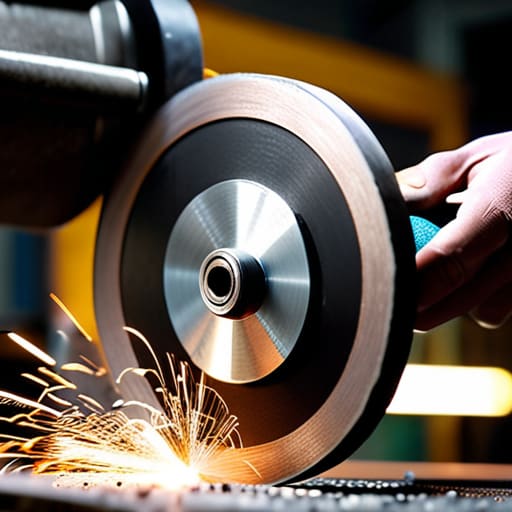
Now, listen close, because this is where I see most young fellas make a mistake that can end a career—or worse—before it even starts. When you’re standing there at the bench, it’s easy to just grab whatever disc is sitting on top of the pile, but you’ve got to check that correct disc RPM rating against the tool in your hand. Your grinder is a high-speed beast, and if you slap a disc on it that isn’t rated for those specific revolutions, you aren’t just working inefficiently; you’re essentially holding a small, spinning grenade.
If the disc’s maximum speed is lower than what the motor is putting out, the centrifugal force will eventually win. The bond holding the abrasive grain will fail, and that disc will shatter into fragments that fly faster than a bird from a slingshot. Even if you’re wearing your best eye and face protection for metalwork, you don’t want to be testing the limits of your gear. It’s not about how fast you can finish the cut; it’s about ensuring the tool stays in one piece so you can finish the job tomorrow, too.
Proper Angle Grinder Guard Installation Prevents Unnecessary Waste
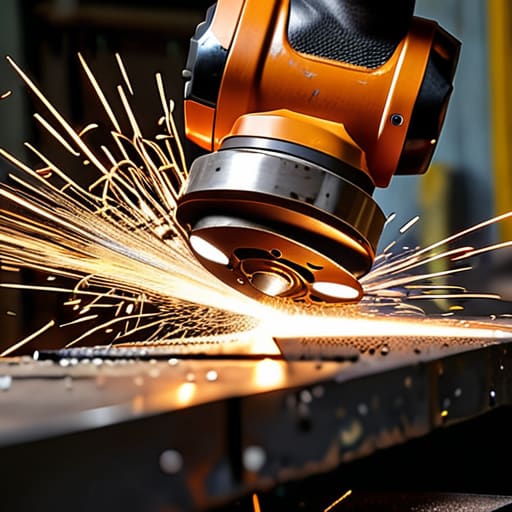
I’ve seen too many young fellas walk into a shop, strip the guard off a grinder because it “gets in the way” of a tight cut, and think they’re being efficient. Let me tell you something: that guard isn’t an inconvenience; it’s your first line of defense. Proper angle grinder guard installation isn’t just about following some rulebook; it’s about making sure that if a disc decides to shatter, the debris is directed toward the floor and not into your chest. When you leave that metal shield off, you’re essentially gambling with your safety every time you pull the trigger.
Beyond just keeping the sparks from flying, the guard plays a massive role in preventing kickback with angle grinders. If the disc catches a snag or binds in a groove, that guard acts as a physical barrier that helps stabilize your grip and keeps the tool from jumping wildly toward your hands. It’s one of those fundamental safe angle grinder handling techniques that separates a professional from an amateur. If you want to keep your workshop a place of creation rather than a place of accidents, keep that guard positioned exactly where it belongs.
Five Ways to Keep Your Fingers and Your Shop Intact
- Watch your stance and your footing. I’ve seen too many young fellas lean into a cut like they’re trying to wrestle a bull; if that disc catches or kicks back, you want to be in a position where you can step back, not stumble into the sparks.
- Check your discs for hairline cracks before you ever plug the tool in. A disc might look fine at a glance, but if it’s got a flaw, it’ll shatter like glass the second it hits full speed, and you don’t want to be standing in the path of those fragments.
- Never, and I mean never, use a grinding disc for cutting or a cutting disc for grinding. They aren’t interchangeable, and trying to force one to do the other’s job is a quick way to snap the wheel and end your afternoon early.
- Keep a clear eye on your spark path. It’s easy to get tunnel vision when you’re focused on a clean edge, but you need to be aware of where those hot embers are landing—especially if you’ve got sawdust, oily rags, or a fresh coat of paint nearby.
- Don’t treat the trigger like a toy. Once you pull that trigger, you’re committed to the tool’s path, so make sure your line is straight and your grip is firm before you ever let the motor spin up.
The Bottom Line Before You Pull the Trigger
Never, and I mean never, try to bypass the safety guard or use a disc that isn’t rated for your grinder’s speed; a shattered disc doesn’t just ruin your workpiece, it can end your career in a heartbeat.
Respect the tool’s limits by letting the machine do the work—if you find yourself leaning your whole weight into a cut, you’re either using a dull disc or you’re rushing, and both are recipes for disaster.
Always check your gear for cracks or chips before you even plug it in, because once that metal starts spinning at ten thousand RPM, a tiny flaw becomes a lethal projectile.
## Respect the Spin
“An angle grinder doesn’t care about your deadline or how much you’ve spent on the workpiece; if you ignore the physics of that spinning disc, it’ll take your hand or your project in a heartbeat. Treat the tool like a living thing with its own temper, and it’ll serve you well for decades.”
Alistair Fenwick
The Final Word on the Grind
At the end of the day, staying safe with an angle grinder isn’t about following a checklist just to satisfy some manual; it’s about understanding the physics of what’s happening in your hands. We’ve talked about why you can’t ignore the RPM ratings on your discs and why that guard isn’t an optional extra—it’s your primary line of defense. If you take the time to check your equipment, respect the speed of the motor, and never bypass a safety feature just to save five minutes, you’re going to finish your job with a clean cut and your fingers intact. It’s about being methodical. Don’t let a moment of laziness turn a productive afternoon into a trip to the emergency room.
I’ve seen too many young folks walk into a shop thinking they can outsmart a spinning piece of abrasive, and they always end up learning the hard way. Real craftsmanship requires a steady hand and a clear head, and that starts with the respect you show your tools before you even pull the trigger. My advice is simple: treat your workshop like a place of precision, not a place of chaos. When you take pride in the process of preparation, the quality of your work will naturally follow. Build things that last, work with intention, and always keep your eyes on the metal.
Frequently Asked Questions
I've seen guys using old, cracked grinding wheels because they "look fine"—how do I actually tell when a disc is too worn or compromised to use safely?
Look, if a disc “looks fine” to you, you’re already halfway to a trip to the emergency room. Don’t trust your eyes alone; trust your hands and a bit of scrutiny. Check for hairline cracks in the center or any chipping around the edge. If the disc is thin, warped, or has been dropped on the concrete floor, toss it. A dropped wheel is a ticking bomb, even if it looks perfect.
Is there a real difference between using a flap disc versus a grinding disc, or am I just making my job harder by switching between them?
You aren’t making it harder; you’re just trying to work smarter. A grinding disc is for heavy lifting—removing bulk material and leveling out deep, uneven welds. It’s brute force. A flap disc, on the other hand, is for the finesse work, smoothing things out and getting a finish that won’t catch your skin. If you try to use a flap disc for heavy stock removal, you’ll just burn through the abrasive in minutes. Use the right tool for the stage of the job.
When I'm working on a piece of metal that's clamped down, how do I position my body so I'm not in the direct line of fire if the tool kicks back?
Never stand directly behind the tool or in the path of the disc. If that wheel catches or a piece of metal binds, the grinder is going to kick back toward you like a startled mule. I always position myself slightly to the side, keeping my face and torso out of the “line of fire.” Plant your feet steady, maintain a firm two-handed grip, and always assume the tool wants to jump.
