I remember a job back in ’88, standing over a piece of heavy-gauge steel that I’d spent three hours trying to force into shape with a cheap, flimsy set of pliers I’d picked up at a big-box hardware store. The metal didn’t just resist; it fought me, eventually snapping back with enough force to nearly take my knuckles off. That was the day I learned that your results are only as good as the steel in your hands and the quality of your metal bending tools. Most folks today think they can just buy a shiny new gadget from a catalog and expect it to do the thinking for them, but if you don’t respect the physics of the bend, you’re just asking for a pile of scrap metal and a bruised ego.
I’m not here to sell you on some overpriced, computerized nonsense that’ll break the first time you hit it hard. My goal is to give you the straight truth about what actually works in a real workshop—the kind of gear that stays true even after years of heavy use. I’ll walk you through the essential metal bending tools you actually need, focusing on durability and precision over flashy features. We’re going to talk about how to choose equipment that respects the material, so you can stop fighting your work and start mastering it.
Table of Contents
Invest in Precision Metal Fabrication Equipment
Now, I know what you’re thinking—you can get by with a pair of heavy-duty pliers and a bit of elbow grease. And sure, for a quick fix on a garden gate, that might suffice. But if you’re looking to move beyond mere repairs and actually start building something meaningful, you need to step up your game. Investing in proper precision metal fabrication equipment isn’t about showing off or buying the flashiest gadget in the catalog; it’s about respect. It’s about respecting the material enough to give it a clean, predictable bend rather than a jagged, stressed mess that’ll crack the moment you put a load on it.
If you’re working in a home shop, a decent manual sheet metal brake is one of those non-negotiable essentials. It’s the difference between a professional-looking seam and a piece of scrap that looks like it was chewed on by a dog. When you have a solid brake, you can control your lines and manage the bending radius for sheet metal with a level of accuracy that your hands alone just can’t replicate. Take the time to save up for the right machine. It’s a lot cheaper than buying twice the amount of steel you’ll end up throwing in the scrap bin because you rushed a bend.
Handheld Metal Folding Tools Worth Your Sweat
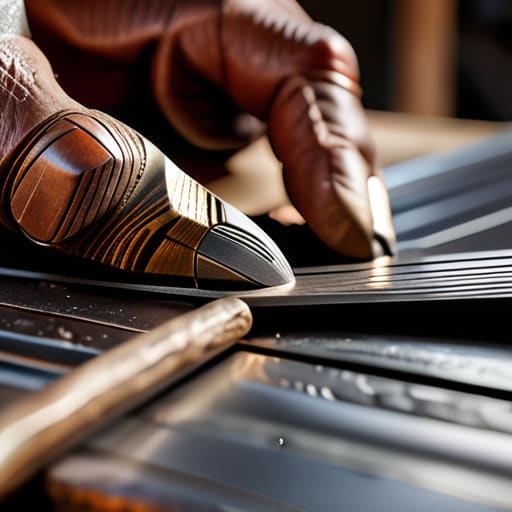
Now, I know some folks think you need a massive hydraulic press to get a decent crease, but that’s just not true for most of the work I do in my shop. There’s a real art to using handheld metal folding tools, especially when you’re working on smaller repairs or intricate trim. A good pair of seam shears or a decent set of hand folders gives you a level of tactile feedback you just won’t get from a machine. You can feel the tension in the material, and that’s how you know when you’re pushing too hard.
If you’re working with thinner gauges, don’t overlook a sturdy manual sheet metal brake. It’s one of those metalworking workshop essentials that pays for itself the first time you avoid a botched job. It might take a bit more muscle and a bit more patience to get your lines straight, but it beats the alternative. Just remember: watch your bending radius for sheet metal carefully. If you try to force a sharp corner on a material that wants to spring back, you’re going to end up with a piece of scrap rather than a finished part.
Five Rules for Making Sure Your Tools Don't Fail You
- Check your alignment every single time. It’s easy to get comfortable once you’ve been bending for an hour, but if your jig or your vise is even a hair out of true, that error is going to compound with every bend until you’re looking at a piece of scrap instead of a finished part.
- Never force a bend with a tool that isn’t up to the task. I’ve seen plenty of young fellas try to use a small hand brake on heavy-gauge sheet because they were in a hurry; all they do is warp the metal and ruin the tool. If the material is thick, use a tool built for the weight.
- Keep your cutting edges sharp. Whether you’re using shears or a specialized bending cutter, a dull blade doesn’t just make the job harder—it tears the metal. A clean cut makes for a clean bend, and a clean bend is the mark of a professional.
- Mind the springback. Metal has a memory, and it’s going to want to snap back toward its original shape the moment you release the pressure. You have to learn the temperament of the specific alloy you’re working with and bend just a touch past your target angle to compensate.
- Clean your work surfaces religiously. A single grain of grit or a stray metal shaving trapped between your sheet and the bending die will leave a gouge that no amount of sanding will ever truly fix. Treat your tools with respect, and they’ll give you the precision you’re looking for.
Three Things to Remember Before You Start Bending
Don’t go cheap on the basics; a tool that flexes under pressure is just a piece of scrap metal waiting to happen, so buy the quality you’d trust your own hands with.
Respect the material’s limits and take your time with every bend, because forcing a piece of metal to do something it isn’t ready for is the fastest way to ruin a good project.
Keep your tools clean and your edges smooth, because even the best fabrication job looks like amateur work if you let rust or burrs get in the way of your precision.
## A Lesson in Leverage
“A cheap bender might save you fifty bucks today, but it’ll cost you a ruined workpiece and a sore back tomorrow. If you don’t have the right leverage and a tool that holds its edge, you aren’t bending metal—you’re just fighting it.”
Alistair Fenwick
Final Thoughts Before You Hit the Bench
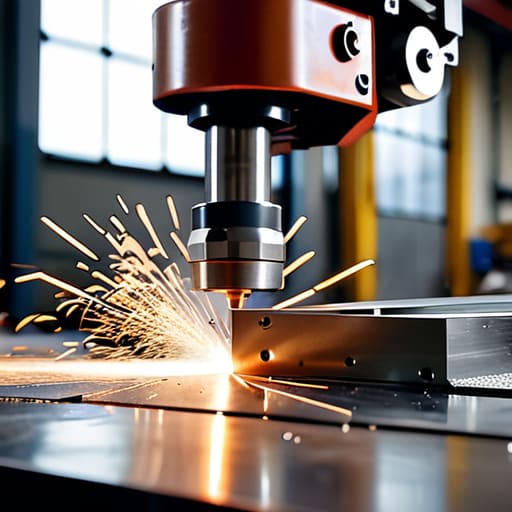
At the end of the day, whether you’re leaning on heavy-duty precision fabrication equipment or working through a stubborn sheet with handheld folding tools, the principle remains the same: your results are only as good as your preparation. You can buy the most expensive press brake in the catalog, but if you haven’t taken the time to understand your material’s springback or if you’re using dull, cheap shears, you’re just going to waste good steel. Take a moment to audit your kit, ensure your tools are calibrated, and never, ever try to force a bend that your equipment isn’t ready to handle. It’s better to stop and adjust your setup than to scrap a finished piece because you were too impatient to do it right the first time.
I’ve spent more years than I care to admit staring at ruined metal because I thought I could skip a step. Don’t make my mistakes. Real craftsmanship isn’t about how fast you can clear your workbench; it’s about the quiet satisfaction of looking at a clean, precise bend and knowing you earned it through patience and steady hands. Go ahead and invest in the gear that respects the craft, but remember that the most important tool in your shop will always be your own judgment. Now, get to work, and make something that lasts.
Frequently Asked Questions
How do I know if a bending tool is made of actual tool steel or just some cheap, glorified pot metal that's going to snap on me mid-bend?
You can’t just trust the label on the box; you have to look at the tool itself. First, check the weight. Real tool steel has a heft to it that cheap pot metal just can’t mimic. Look for a fine, consistent grain and a matte finish—if it looks shiny and “perfect” like a cheap toy, walk away. Most importantly, check the hardness. If you can gouge it easily with a file, it’s junk.
Is it worth spending the extra money on a powered hydraulic press, or can I get most of my real work done with a good set of manual brakes?
Look, if you’re just bending sheet metal for small projects or repairs, a solid set of manual brakes will serve you well enough. But there’s a ceiling to what muscle can do. If you find yourself fighting the machine or trying to force a bend that just won’t cooperate, you’re asking for warped material. A hydraulic press isn’t a luxury; it’s about consistency and saving your back. If the work is serious, get the power.
When I'm working with thicker gauge material, how do I figure out exactly how much springback I'm going to deal with so I don't ruin my measurements?
Look, there’s no magic formula in a book that’ll give you a perfect number every time; metal is a temperamental beast. You’ve got to account for the material’s yield strength and thickness. My way? Don’t guess. Take a scrap piece of the exact same gauge and run a test bend. Measure how much it jumps back, then adjust your angle accordingly. It’s better to waste a scrap bit than a finished workpiece.
