I remember standing in my old mentor’s shop back in ’78, the air so thick with the scent of scorched sand and ozone you could almost chew it. I watched him pour a crucible of molten iron, his face illuminated by a glow that makes your skin prickle, and I realized then that metal casting isn’t some magic trick you find in a textbook. It’s a conversation between you and the material, and if you start shouting or rushing the process, the metal is going to stop listening. Most folks today think you can just click a button or follow a fancy digital simulation and expect a perfect pour, but they forget that gravity and heat don’t care about your software.
I’m not here to sell you on expensive, high-tech gadgets that’ll be sitting in a scrap bin by next Christmas. What I want to do is show you how to actually work with the elements so you can stop wasting good material and start making things that hold their shape. I’ll walk you through the grit of the process—from prepping your molds to managing the pour—with the kind of straightforward, honest advice you only get from forty years of getting it wrong before you finally get it right.
Table of Contents
Mastering Metallurgy and Alloy Properties Before the Heat
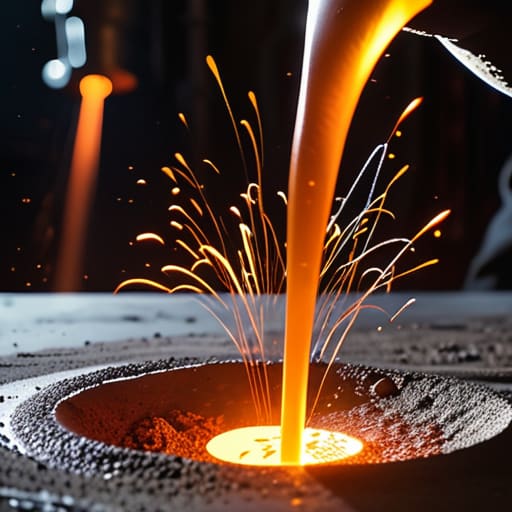
Before you even think about striking a match or powering up your furnace, you need to understand exactly what you’re working with. I’ve seen too many young fellas jump straight into the pour without a lick of sense regarding metallurgy and alloy properties, only to find their finished piece is brittle as glass or full of internal stresses. You aren’t just melting a hunk of metal; you are managing a chemical reaction. Every alloy has its own personality—its own melting point, its own flow, and its own way of reacting to the atmosphere around it. If you don’t respect those differences, you’re just playing with fire.
Choosing your method is the next hurdle. You have to decide if you’re looking at the precision of investment casting techniques for fine detail, or if the rugged simplicity of a sand mold is what the job calls for. It’s a bit like choosing between a scalpel and a sledgehammer. If you misjudge the chemistry or pick the wrong path for your specific material, you’ll spend more time grinding down mistakes than you ever spent actually creating. Take the time to study your metals first; it’ll save you a heap of wasted material later.
Why Furnace Temperature Control Is Your Only True Friend
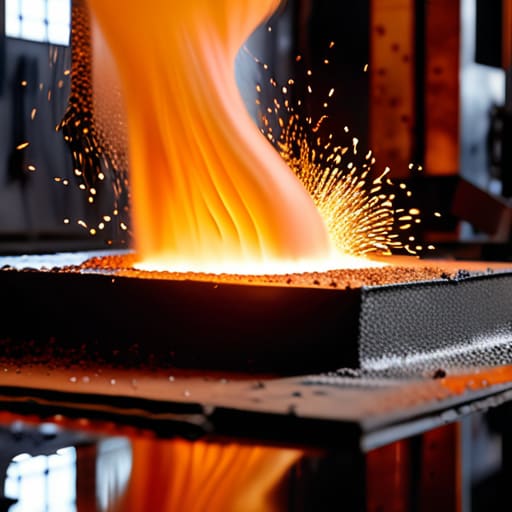
You can have the finest sand molds in the world and the most expensive alloys, but if your heat is wandering, you’re just playing with fire. I’ve seen many a young lad walk into a shop thinking he can just “eye” the temperature, but that’s a fast track to a ruined pour. Furnace temperature control isn’t just some technical checkbox; it is the difference between a solid, structural piece and a brittle mess full of gas pockets. If you’re running too hot, you’re burning off the very elements that give your alloy its strength. If you’re too cool, the metal freezes before it can even fill the corners of your mold.
When you’re dealing with the nuances of casting defect prevention, you have to realize that temperature is your primary tool. Whether you’re experimenting with small-scale sand casting or looking into more complex methods, consistency is king. You can’t treat the heat like a suggestion. You have to respect it, monitor it, and stay patient. If the temperature isn’t steady, you aren’t really working; you’re just guessing, and in my shop, we don’t guess with good metal.
Five Hard-Won Lessons from the Foundry Floor
- Mind your mold venting. If you don’t give that molten metal a clear path to breathe, you’ll end up with trapped gases that’ll blow a hole right through your casting or leave it looking like Swiss cheese.
- Cleanliness isn’t just for show. Any bit of moisture, oil, or even a stray scrap of wood in your mold is going to cause a reaction you can’t undo once the pour starts; keep your workspace as clean as a surgical suite.
- Don’t get greedy with the pour speed. You want a steady, controlled stream to fill the cavity, but if you go too slow, the metal starts to freeze before it reaches the edges, and if you go too fast, you’ll wash out your sand mold.
- Watch your gating system like a hawk. A well-designed runner and riser system isn’t extra work—it’s the difference between a solid piece of metal and one riddled with shrinkage cavities.
- Respect the cooling process. Once the pour is done, leave it be. Trying to rush the cooling or pulling a piece out too early can cause internal stresses that’ll crack your work before you even get it to the anvil.
The Bottom Line Before You Pour
Treat your furnace like a living thing; if you don’t respect the temperature, the metal won’t respect your mold.
Know your alloys inside and out, because once that metal is liquid, you’ve lost the chance to fix a mistake made by ignorance.
Patience is a tool just as important as your tongs—rushing the process is the fastest way to turn expensive raw material into expensive scrap.
## The Cost of a Cold Pour
“You can spend all day prepping your mold and polishing your tools, but the moment you get impatient with the furnace, you’ve already lost. Metal doesn’t care about your schedule; it only cares if you gave it the heat it needs to flow true. If you rush the pour, you aren’t just wasting time—you’re wasting good material and your own damn dignity.”
Alistair Fenwick
The Final Pour
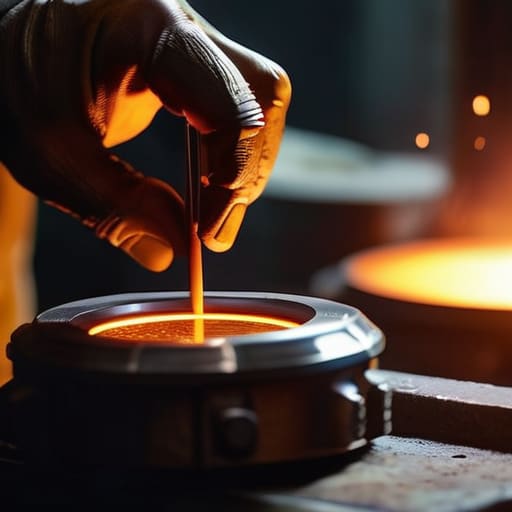
At the end of the day, successful metal casting isn’t about having the flashiest furnace or the most expensive alloys in your shop. It comes down to the fundamentals we’ve discussed: knowing exactly what your metal is capable of before you ever strike a match, and having the discipline to watch those temperature gauges like a hawk. If you ignore the chemistry of your melt or let your furnace drift, you aren’t just making a mistake; you’re throwing money and time into the scrap bin. You have to respect the process, manage your thermal cycles with care, and accept that precision is the price of entry for anything worth keeping.
I know it can feel overwhelming when you’re standing there staring at a crucible of liquid fire, wondering if you’ve done enough to get it right. But remember, every master smith I ever worked with started exactly where you are—fumbling with molds and learning the hard way. Don’t let the fear of a bad pour keep you from the bench. There is a unique, quiet satisfaction in pulling a finished piece out of the sand and knowing it’s solid, honest work that you built with your own two hands. Build things to last, and never be afraid to get a little grit under your fingernails to make it happen.
Frequently Asked Questions
How do I know if my mold is actually ready for the pour, or if I'm just rushing because the furnace is getting hot?
Listen, I’ve seen plenty of fellas ruin a perfectly good batch because they were staring at the thermometer instead of the mold. You don’t just look at the numbers. You check for moisture, you check for any hairline cracks in the sand, and you make sure your vents aren’t clogged with debris. If you’re feeling a sense of urgency just because that furnace is roaring, take a breath. If the mold isn’t preheated and bone-dry, don’t pour.
What’s the best way to spot a bad batch of scrap metal before I go melting it down and ruining a good crucible?
You’ve got to use your senses before you ever crack a furnace lid. First, look for heavy scale or thick, flaky rust; that’s a sign of high impurities that’ll sludge up your melt. Give it a tap with a hammer—if it sounds dull or “thuddy” instead of a crisp ring, you’re likely looking at cast iron or something full of internal cracks. If it smells like burnt plastic or grease, walk away. Don’t let a cheap pile of junk ruin a perfectly good crucible.
If I see gas bubbles or pitting forming while the metal is flowing, do I try to fix it mid-pour or just scrap the whole thing?
If you see bubbles or pitting mid-pour, don’t go trying to play hero with a stirring rod. Once that metal is moving, you’ve lost your window. Trying to “fix” it mid-flow usually just introduces more turbulence and air, making the mess even worse. If the flow looks bad, let it run out and scrap the piece. It’s better to lose a bit of melted metal than to waste your time grinding out a flawed casting later.
