I remember standing in a dusty fabrication shop back in ’84, watching a green kid blow through a perfectly good set of bastard files because he thought speed was the same thing as skill. He was trying to force a coarse tooth through a delicate radius, and all he did was chatter the steel and ruin the temper of the tool in the process. It’s the same thing I see today in these big-box hardware stores—people buying a cheap, generic set of metalworking files thinking they can just slap them on any piece of iron and get a clean edge. They don’t realize that using the wrong cut for the wrong material isn’t just a waste of effort; it’s a fast track to a ruined project and a frustrated afternoon.
I’m not here to sell you on some fancy, overpriced brand name or a complicated system you don’t need. My goal is to give you the straight truth about how to pick the right tool for the job and, more importantly, how to use it without fighting the metal. I’ll walk you through the different cuts, shapes, and grades so you can stop guessing and start working with intention. We’re going to focus on the fundamentals of precision, ensuring that when you finally put that file to the steel, you’re doing it right the first time.
Table of Contents
Understanding File Cut Types and Uses Without Rushing
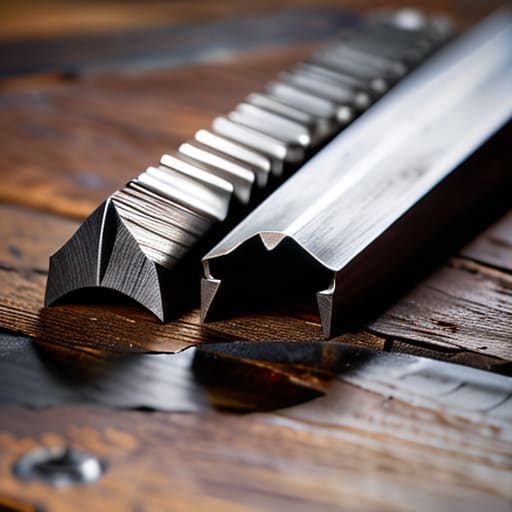
Now, before you go grabbing the first heavy piece of steel you see, you need to understand that not every file is meant to do the same job. I’ve seen too many young fellas try to finish a delicate piece with a coarse tool, only to end up with a surface so scarred it’s a nightmare to polish out. When you’re looking at file cut types and uses, the first thing you’ll notice is the difference in how aggressive the teeth are. You’ve got your bastard cut files, which are your workhorses for heavy material removal, and then you have your smooth files for when you’re moving into the final stages of a project.
It’s a bit like seasoning a cast-iron skillet; you don’t jump straight to the fine details without doing the heavy lifting first. If you try to skip the coarse work and go straight to precision metal finishing, you’ll find yourself fighting the tool more than the metal. Understanding file teeth density explained is really just about knowing how much metal you want to move in a single stroke. A coarse file eats through stock quickly, while a fine-tooth file is there to refine the shape. Take your time to pick the right one, or you’ll just be fighting a losing battle against your own impatience.
The Truth About Bastard Cut vs Smooth Files
Now, don’t let the names fool you into thinking one is “better” than the other. In my shop, I’ve seen plenty of green apprentices grab a smooth file for a heavy removal job, only to end up sweating over a piece of steel for three hours when they could’ve been done in twenty minutes. A bastard cut is your workhorse; it’s got the aggressive teeth needed for the heavy lifting and initial shaping. If you’re trying to take down a significant amount of material, you use the bastard cut to get close to your mark.
Once you’ve done the heavy work, that’s when you switch gears. This is where the real precision metal finishing begins. You move to the smooth file to clean up those deep grooves left behind by the coarser teeth. When we talk about bastard cut vs smooth files, it’s really a conversation about patience and the sequence of operations. You can’t skip the rough work and expect a smooth finish, and you certainly can’t use a smooth file to do a bastard’s job without wasting your time and your energy.
Five Rules for Keeping Your Files Sharp and Your Work Clean
- Stop pushing on the return stroke. A file is designed to cut only when you’re pushing it forward. If you apply pressure while pulling it back, you’re just dulling the teeth and wasting your own energy.
- Keep your file card handy and use it often. Don’t wait until the file feels like it’s just sliding over the metal. Clear out those tiny metal chips—the “pins”—regularly, or they’ll clog the teeth and scratch your workpiece.
- Watch your pressure. If you lean into a fine file like you’re trying to move a mountain, you’re going to snap the tang or ruin the precision of the cut. Let the teeth do the work; you just provide the steady hand.
- Never, and I mean never, use a file on a machine like a drill press or a grinder. It isn’t meant for rotational speed. You’ll shatter the tool, and that’s a quick way to end up in the emergency room instead of the workshop.
- Check your handles before you start. I’ve seen too many fellas working with a bare tang because they were in a hurry. If that metal slips into your palm while you’re applying pressure, you’ve just turned a simple job into a bloody mess.
The Bottom Line on Filing Right
Don’t go hunting for a smooth finish before you’ve done the heavy lifting with a bastard cut; if you try to skip the coarse work, you’ll spend twice as long fighting the metal.
Match your file to the task at hand, because using the wrong tooth pattern is just a fast way to ruin a good piece of steel and waste your afternoon.
Treat your files with respect by cleaning them often; a clogged file is a useless file, and forcing a dull tool only leads to sloppy work and frustration.
## Respect the Steel, Respect the Tool
“A file isn’t a way to force a shape onto a piece of metal; it’s a way to listen to the material. If you start pushing too hard or trying to make up for a sloppy cut, you aren’t working the steel—you’re just fighting it, and the steel always wins in the end.”
Alistair Fenwick
Respect the Tool, Respect the Metal
At the end of the day, choosing the right file isn’t about having a massive, expensive set that takes up half your workbench; it’s about knowing exactly which tooth pattern and grade will do the job without fighting the material. Whether you’re starting with a coarse bastard cut to knock down heavy scale or moving into a fine-tooth second cut for a cleaner finish, remember that the tool only works if you respect its purpose. If you try to use a smooth file to do the heavy lifting, you’re just clogging the teeth and wasting your energy. Take the time to understand your cuts, keep your tools clean, and always match the file to the specific stage of your project.
I’ve seen plenty of young folks walk into a shop thinking they can force a piece of steel into submission through sheer aggression. That’s a mistake you’ll learn the hard way every single time. Real craftsmanship is a slow conversation between you, your tool, and the metal. It’s about the steady, rhythmic stroke and the patience to let the file do the work instead of leaning your whole weight into it. If you approach your work with that kind of disciplined patience, you won’t just produce something that looks decent—you’ll produce something that stands the test of time. Now, quit reading and get back to the bench.
Frequently Asked Questions
How do I know when a file is getting too clogged with metal bits to be useful anymore?
You’ll feel it before you see it. When those tiny metal chips—what we call pins—start packing into the teeth, the file won’t “bite” the steel anymore. Instead of a smooth, rasping sound, you’ll get a sliding, skidding sensation, like you’re just rubbing a piece of dead wood against the metal. If you keep pushing through that, you’re just polishing the surface instead of cutting it. Stop immediately and clean it out.
Is there any point in buying expensive, high-end files, or will a cheap set from the hardware store get the job done?
Look, I’ve seen plenty of fellas buy a cheap, soft-steel set from the local hardware store only to find the teeth rolling over after ten minutes of real work. It’s a waste of money. If you’re just smoothing a bit of rust off a garden tool, fine. But if you’re working serious steel, invest in a quality high-carbon file. A good file stays sharp and holds its shape; a cheap one is just expensive scrap metal.
What’s the best way to clean the metal shavings out of the teeth without ruining the file?
Don’t go reaching in there with a screwdriver or a wire brush; you’ll just dull those teeth and ruin a perfectly good tool. The best way is to use a proper file card. Use light, sweeping strokes in one direction—never back and forth—to flick those shavings out. If you’re working on something delicate, a stiff nylon brush works too. Treat the teeth with respect, and they’ll work for you for years.
