I remember standing in my first shop back in ’78, staring at a piece of scored brass that had just gone flying across the room because I’d been too impatient with the setup. The sound of that metal hitting the concrete floor was a heartbreaking thud, a clear signal that I’d treated my equipment with more disrespect than I should have. Most folks these days think that using a vise is just about turning a handle until something stops moving, but if you treat it like a mindless clamp rather than an extension of your own hands, you’re going to end up with ruined work and bruised knuckles.
I’m not here to sell you some fancy, over-engineered hydraulic setup or a manual that reads like a college textbook. I want to talk to you about the realities of the bench—how to seat your workpiece so it doesn’t mar, how to feel the tension in your grip, and when to stop cranking before you strip a thread. I’m going to show you how to respect the tool so it can actually do its job, ensuring that every cut and every file stroke is as steady and precise as it ought to be.
Table of Contents
Choosing Your Tool Essential Vise Types for Metalworking
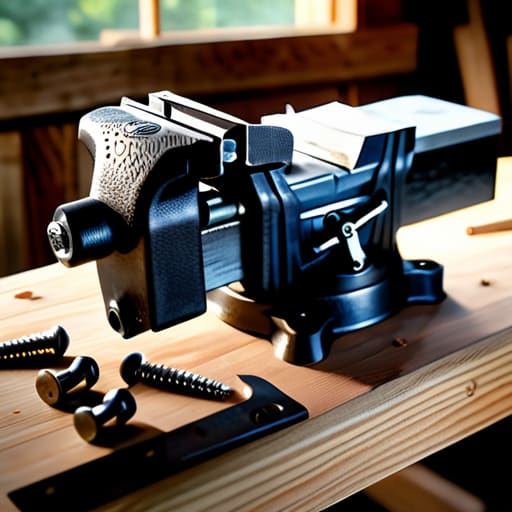
Now, don’t go thinking a single vise can do every job in the shop. If you’re just starting out, you’ll likely run into a few different vise types for metalworking, and knowing which one to grab can save you a lot of frustration. For heavy-duty shaping or when you’re hammering away at something thick, you want a solid, heavy cast-iron bench vise. You need that weight to absorb the vibration; otherwise, you’re just fighting the tool instead of the metal. If you’re working on something delicate, like those old cast-iron pans I tinker with, a standard vise is a recipe for disaster.
That’s where you need to be smart about preventing workpiece damage. For anything finished or thin, I always keep a set of soft jaws on hand. These are essentially vise jaw protection—usually made of aluminum, copper, or even hard wood—that sit between the steel jaws and your project. They distribute the load more evenly so you aren’t leaving ugly teeth marks in a piece of metal you spent hours prepping. It’s not about being soft; it’s about being precise.
A Solid Base Proven Bench Vise Mounting Techniques
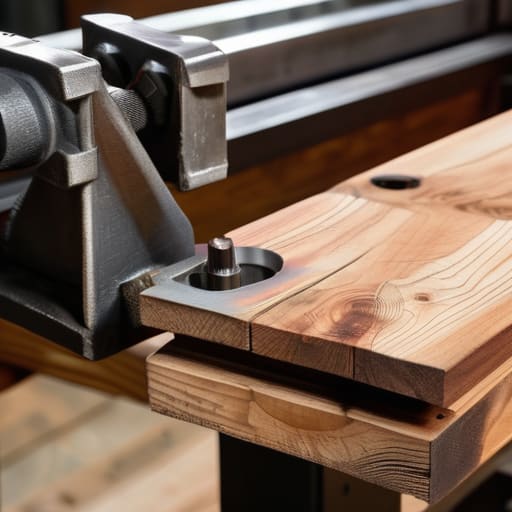
You can have the finest tool in the shop, but if your workbench is shaking like a leaf in a gale, you’re wasting your time and your energy. When it comes to bench vise mounting techniques, I’ve learned the hard way that a flimsy setup is a recipe for frustration. You want that vise bolted directly to a heavy, solid timber bench—something thick enough to absorb the shock when you’re hammering or filing. I always tell my apprentices to use heavy-duty bolts that go all the way through the bench, backed up with thick steel washers on the underside. If the bench moves, your precision goes right out the window.
Once you’ve got it mounted, you need to consider how the weight is distributed. I prefer mounting my vise slightly over the edge of the bench, but not so far that it creates a lever effect that might crack your tabletop. It’s all about securing workpieces safely while maintaining a stable platform. If you’re working with softer metals, don’t forget about vise jaw protection; I keep a few scraps of soft copper or aluminum in my drawer to act as spacers. It prevents those nasty teeth marks from ruining a good piece of material.
Don't Let the Metal Win: Five Rules for Working the Vise
- Watch your jaw pressure. I’ve seen too many young lads crank that handle like they’re trying to tighten a lug nut on a truck, only to find they’ve crushed or marred the very piece they were trying to work on. Tighten it until it’s firm, not until the metal screams.
- Use soft jaws if you value your finish. If you’re working on something that isn’t meant to take a beating—like a piece of polished brass or a thin-walled tube—don’t go biting into it with raw steel jaws. Get yourself some aluminum or copper jaw covers; it’s a small price to pay to avoid a ruined workpiece.
- Mind the “swing.” When you’re applying heavy pressure with a file or a saw, make sure you aren’t putting a side-load on the vise that’ll cause it to wobble. A wobbling vise is a liar; it’ll give you a crooked cut every single time, and you’ll be spending twice as long in the file stage trying to fix it.
- Clean the throat before you clamp. It sounds simple, but I can’t tell you how many times I’ve seen a man clamp down on a piece only to find a stray metal chip or a bit of grit trapped in the jaws. That little bit of debris will mar your surface faster than a hacksaw blade.
- Keep your hands clear of the “pinch zone.” This isn’t about being soft; it’s about being smart. When you’re swinging a hammer or pulling a lever, keep your fingers well away from the gap between the jaw and the workpiece. Metal doesn’t care about your skin, and it won’t give an inch once it’s got a grip on you.
Lessons from the Bench
Never skimp on the mounting; a heavy vise is useless if your workbench starts dancing every time you strike a blow.
Match the tool to the task, because using a small hobby vise for heavy-duty fabrication is a quick way to snap a bolt or mar your workpiece.
Treat your vise with respect and keep it clean, because a seized screw or a dirty jaw will only frustrate you when you’re in the middle of a precision job.
## The Foundation of Every Good Cut
“A vise isn’t just a way to hold your metal; it’s the anchor for your entire job. If you’re fighting a workpiece that’s shifting or vibrating under your hammer, you aren’t working—you’re just struggling. Secure it tight, secure it right, and let the tool do the heavy lifting so you can focus on the precision.”
Alistair Fenwick
Respect the Grip, Respect the Work
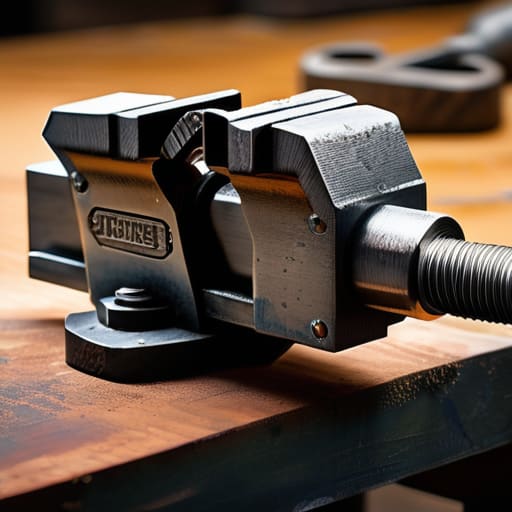
At the end of the day, a vise isn’t just another hunk of iron sitting on your bench; it’s the foundation of every successful project you’ll ever undertake. We’ve talked about picking the right tool for the specific job at hand and making sure that base is mounted so solid you could strike it with a sledge without it budging an inch. If you get the type wrong, or if you’re too lazy to bolt it down properly, you aren’t just risking a ruined workpiece—you’re risking your own safety. Remember, precision starts with stability. If the metal is dancing around because your grip is loose or your mounting is shoddy, you’ve already lost the battle before you’ve even picked up your file or your hammer.
I’ve seen plenty of young folks try to rush through a job, thinking they can make up for a poor setup with sheer force. That’s a mistake you only make once before you end up wasting expensive material or, worse, an afternoon of your life. Take the time to set things up right the first time. There is a certain kind of quiet satisfaction that comes from knowing your setup is steady and true, allowing you to focus entirely on the craft itself. Treat your tools with respect, and they’ll reward you with work that stands the test of time. Now, quit reading and get back to the bench.
Frequently Asked Questions
How do I know if I'm clamping hard enough without marring the surface of my workpiece?
You’ll know you’ve got it when the piece stops shifting under your hand, but don’t just crank that handle until your knuckles turn white. That’s how you crush soft metals or strip threads. If you’re working on something pretty, use some copper or aluminum jaw covers—or even a scrap of leather—to take the brunt. If the piece doesn’t budge when you apply pressure with a file, it’s seated. Stop there.
Is it worth it to buy a soft jaw set, or can I just use scrap leather to protect the metal?
Look, I’ve used scrap leather for years when I was working on a budget, and it’ll get the job done if you’re careful. But if you’re serious about precision, buy the soft jaws. Leather shifts and bunches up, which can throw off your alignment when you’re trying to file or drill something exact. A proper set of jaws stays flat and gives you a predictable grip. Don’t skimp on the things that keep your work straight.
When should I stop using the vise and switch over to a heavy-duty clamp or a jig instead?
Listen, a vise is your best friend, but it isn’t the answer to every problem. If you’re working on something delicate or oddly shaped where the vise jaws are going to mar the finish or slip, put it down. When you need to apply pressure across a wide surface or hold a piece at a specific, unyielding angle for a long weld, that’s when you reach for a heavy-duty clamp or a custom jig. Don’t force a square tool into a round job.
