I still remember the smell of ozone and scorched iron from my first year in the fabrication shop—a scent that usually meant someone had been too damn impatient. I watched a young apprentice, eager to prove he didn’t need a face shield for a quick grind, lose a chunk of his eyebrow to a stray spark in a heartbeat. That’s the thing about metalworking safety; it isn’t about following some laminated, bureaucratic checklist handed down by a corporate office that’s never seen a real forge. It’s about a fundamental respect for the physics of the materials in front of you. If you treat the heat and the heavy machinery like they’re your friends, they’ll bite you without a second thought.
I’m not here to bore you with a manual or sell you on some overpriced, high-tech gadgetry that’ll just end up in a junk drawer. Instead, I’m going to give you the straight talk based on forty years of making mistakes so you don’t have to. We’ll go over the practical, common-sense habits that actually keep your fingers attached and your eyes clear, focusing on the kind of real-world discipline that turns a hobbyist into a craftsman.
Table of Contents
- Dont Gamble With Your Eyes Proper Personal Protective Equipment for Metalwo
- Clearing the Air Why Welding Fume Extraction Is Non Negotiable
- Watch Your Hands and Your Feet: The Basics You Shouldn't Ignore
- The Bottom Line on Staying Whole
- The Cost of a Shortcut
- Respect the Shop, Respect Yourself
- Frequently Asked Questions
Dont Gamble With Your Eyes Proper Personal Protective Equipment for Metalwo
I’ve seen enough men squint through a cloud of sparks only to realize they’ve spent the last hour staring at a blur. If you think you’re “tough enough” to skip the goggles, you’re just being stubborn. When you’re grinding or cutting, those tiny, white-hot shards don’t care about your ego; they’ll find your eye before you even blink. Investing in decent personal protective equipment for metalwork isn’t about being cautious—it’s about being smart. Get yourself a pair of impact-rated safety glasses, and if you’re doing anything heavy, wear a full face shield over them. It’s a small price to pay to avoid a lifetime of preventing metalwork injuries that you can’t actually undo.
It’s not just about the big stuff, either. I’ve spent years handling sharp metal edges that’ll slice through a thin glove like it’s wet paper. You need proper leather work gloves that actually fit; if they’re too loose, they’re a hazard themselves. And for heaven’s sake, don’t ignore your ears. The constant drone of a grinder might seem fine now, but hearing protection in workshops is something you’ll wish you’d taken seriously twenty years down the line.
Clearing the Air Why Welding Fume Extraction Is Non Negotiable
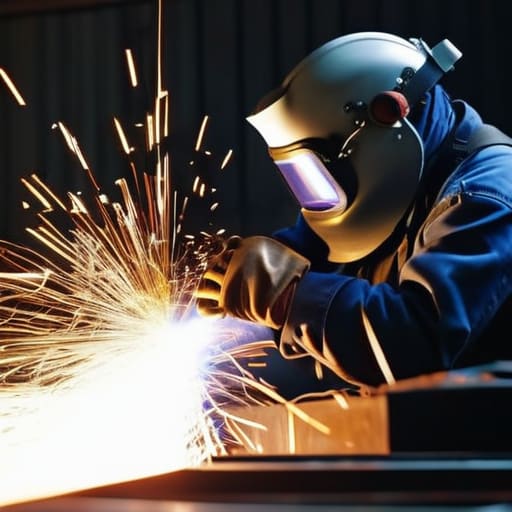
I’ve spent enough years hunched over a welding bench to know that the most dangerous things in a shop aren’t always the things that can cut you or crush you. Sometimes, it’s the stuff you can’t even see. When you strike an arc, you aren’t just creating a weld; you’re creating a cloud of microscopic metal particles and gases. If you’re just sitting there breathing it in, you’re playing a long game with your health that you aren’t going to win. Relying solely on your standard personal protective equipment for metalwork, like a good mask and gloves, isn’t enough to keep your lungs clean.
You need to get serious about welding fume extraction before you even strike that first arc. Whether it’s a high-end fume extractor on a mobile arm or just making sure you’ve got a heavy-duty cross-breeze moving the air out of the bay, you have to move that smoke away from your face. I’ve seen too many old-timers who thought they were “tough enough” to breathe the fumes, only to end up with a cough that never quite leaves them. Don’t be that guy. Set up your ventilation properly from the start, or you’ll be paying for it much later in life.
Watch Your Hands and Your Feet: The Basics You Shouldn't Ignore
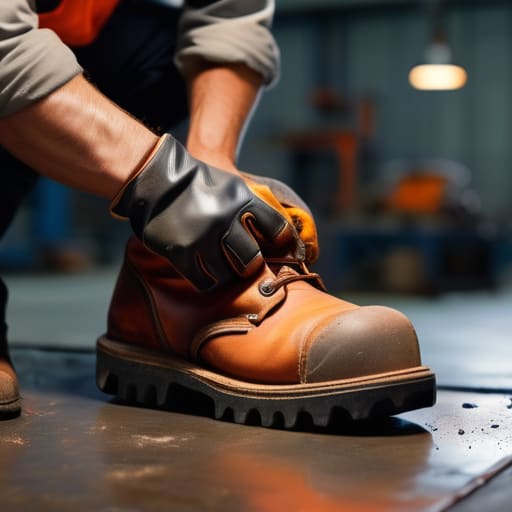
- Respect the edges. I’ve seen enough rookies get careless with a piece of sheet metal or a freshly ground burr; if you aren’t wearing heavy-duty leather gloves when handling raw stock, you’re asking for a trip to the clinic.
- Keep your workspace tidy. A workshop cluttered with scrap offcuts and tangled extension cords is a tripping hazard waiting to happen, and in this business, a stumble while holding a grinder is a recipe for disaster.
- Listen to your equipment. If a motor starts whining or a tool feels like it’s vibrating more than usual, shut it down immediately—don’t try to “power through” a mechanical failure, or you’ll end up with broken parts or a broken hand.
- Mind the sparks. Always know where your spark path is going before you pull the trigger on a grinder; you don’t want a stray ember landing in a pile of oily rags or hitting someone working at the next bench.
- Never work when you’re tired. Metalwork requires a steady hand and a clear head, so if you’re feeling sluggish or distracted, step away from the anvil or the welder; the metal will still be there tomorrow, but your fingers might not be.
The Bottom Line on Staying Whole
Respect your gear as much as your tools; a good pair of goggles or a proper respirator isn’t a suggestion, it’s the only thing standing between you and a permanent mistake.
Never let haste dictate your process, because the second you start rushing to finish a job is exactly when you stop paying attention to the fumes or the sparks.
Keep your workspace clean and your air moving, because a cluttered shop and a lungful of metal dust will take you out of the game faster than any broken tool.
The Cost of a Shortcut
“A piece of scrap metal is cheap, but a steady hand and a working eye are irreplaceable; don’t let a moment of laziness turn a productive afternoon into a permanent mistake.”
Alistair Fenwick
Respect the Shop, Respect Yourself
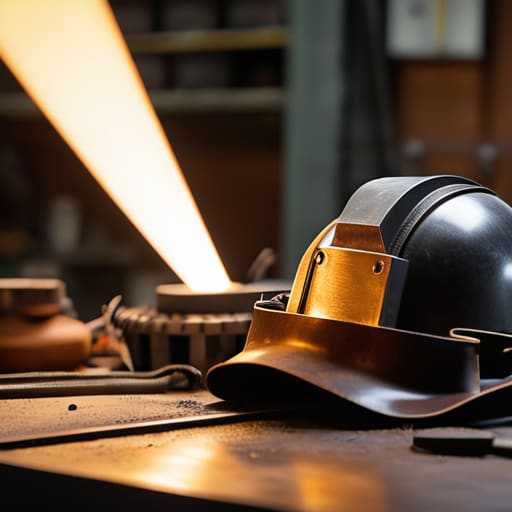
At the end of the day, all these steps—from squinting through a proper welding hood to making sure you aren’t breathing in toxic fumes—aren’t just extra chores to tick off a list. They are the foundation of everything we do in this shop. If you neglect your eyes, your lungs, or your workspace, you aren’t being a “tough” craftsman; you’re being a reckless one. I’ve seen enough guys in my forty years of fabrication to know that a single moment of laziness can cost you a lifetime of working with your hands. You have to keep your gear ready, your ventilation running, and your focus sharp. Safety isn’t a suggestion; it’s the bare minimum requirement for doing decent work.
I want you to go out there and build things that actually matter. I want you to master the torch and the grinder so you can fix what’s broken and create what’s new. But remember, the most important tool in your entire workshop isn’t your most expensive welder or your finest anvil—it’s you. If you aren’t around to finish the job, the metal doesn’t care, and neither does the work. Treat every piece of steel with respect, and more importantly, treat your own body with that same level of discipline. Now, wipe your tools down, clear your bench, and let’s get back to the real work.
Frequently Asked Questions
I’ve got an old grinder that kicks back more than it should; how do I know if it’s just a bad disc or if the tool itself is shot?
First, swap that disc for a fresh one from a different batch. If it still kicks like a mule, the problem isn’t the abrasive; it’s the tool. Check your spindle for any wobble or play, and make sure the guard is seated right. A bent arbor or worn-out bearings will throw your balance off every time. If the motor sounds like it’s struggling or the casing is cracked, stop using it. Don’t fight a machine that’s fighting you.
Is there a real difference between those cheap plastic safety glasses and the heavy-duty ones, or am I just paying for a brand name?
It’s not about the brand name; it’s about the impact rating. Those cheap plastic bits you find in a bargain bin might stop a speck of dust, but they’ll shatter like glass the moment a hot shard of steel hits them. You want something rated for high-velocity impact that won’t crack under pressure. I’ve seen too many fellas lose more than just a pair of glasses because they tried to save a few dollars on gear.
When I'm working in my garage, how much ventilation do I actually need to keep the fumes from building up in the corners?
Look, if you’re just opening a window and hoping for the best, you’re asking for trouble. Air doesn’t just move because there’s a breeze outside; those heavy fumes like to settle in the dead zones. You need a dedicated extraction fan pulling the smoke right at the source, paired with a cross-breeze to keep the air moving. If you can still smell the metal after a few minutes, your ventilation is failing you.
