I still remember the smell of ozone and burnt grease from my first year in the fabrication shop—a scent that usually meant someone had been playing fast and loose with their equipment. I watched a young apprentice, eager to prove he didn’t need a face shield, take a glancing blow from a spinning grinder that nearly took his eye. It wasn’t a lack of gear that caused the problem; it was a lack of respect for the tools. Most folks today think metal-working safety is just about checking off a dozen boxes on a corporate laminated sheet, but that’s nonsense. Real safety isn’t a chore you perform to satisfy a manual; it’s a state of mind you carry every time you strike an arc or pick up a hammer.
I’m not here to bore you with textbook definitions or expensive, over-engineered gadgets you’ll never use. Instead, I’m going to give you the straight truth based on forty years of getting my hands dirty. I’ll show you how to read your workspace, how to trust your instincts, and how to protect your skin and eyes without losing the rhythm of your craft. We’re going to focus on the practical habits that keep you whole, so you can focus on the work that actually matters.
Table of Contents
Armor for the Artisan Choosing Real Personal Protective Equipment
You can’t call yourself a craftsman if you’re treating your gear like an afterthought. I’ve seen too many young fellas walk into a shop wearing thin cotton shirts and cheap plastic glasses, thinking they’re invincible. That’s a fool’s errand. When it comes to personal protective equipment for metalwork, you don’t buy the cheapest option on the shelf; you buy the one that’s actually going to stand between you and a stray spark or a flying shard of steel. I always keep my leather apron heavy and my gloves well-oiled. If the gear feels cumbersome, you’ll be tempted to take it off—and that’s exactly when the accident happens.
It isn’t just about the skin, either. You’ve got to look after what you breathe. I spent half my career in shops where the air felt thick enough to chew, and I learned the hard way that respiratory protection in metal shops isn’t optional. Whether you’re grinding or welding, those fine particles settle in your lungs and stay there. If your shop doesn’t have a decent welding fume extraction system, you’d better be wearing a mask that actually fits your face. Don’t wait until you’re coughing to realize you should have invested in better lungs.
Breathing Deeply the Necessity of Proper Welding Fume Extraction
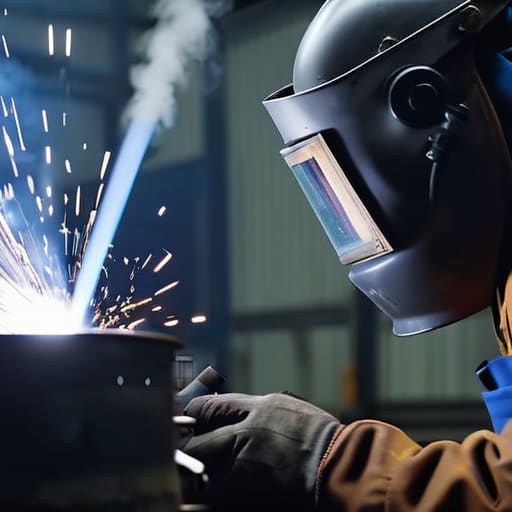
You can wear the best leather apron and the thickest gloves, but if you aren’t careful about what you’re pulling into your lungs, you’re still losing the battle. I’ve seen too many young fellas focus entirely on protecting their eyes and skin while completely ignoring the invisible cloud rising from their weld pool. When you’re melting steel, zinc, or even just cleaning a piece of old iron, you aren’t just making sparks; you’re creating a cocktail of gases that’ll settle in your chest long after you’ve hung up your tools. Relying solely on a basic mask isn’t enough; you need real welding fume extraction to pull that poison away from your face before it ever reaches your nose.
If you’re working in a cramped garage or a shop with poor airflow, you’re playing a dangerous game. I always tell my apprentices that respiratory protection in metal shops is just as vital as any machinery guarding protocol. It’s about the long game. You might feel fine today, but those fine particles don’t just disappear—they build up. Whether you’re using a dedicated fume extractor arm or setting up a high-quality ventilation system, make sure you’re moving the air. Don’t let your workspace become a trap.
Keep Your Hands and Eyes Where They Belong
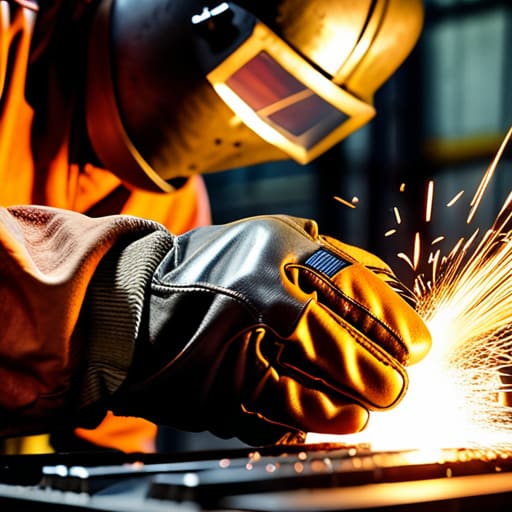
- Never, and I mean never, grind metal without your safety glasses on. A tiny shard of steel flying off a wheel doesn’t care how much experience you have; it’ll find your eye just the same.
- Keep your workspace clear of sawdust and oily rags. I’ve seen too many shops turn into a bonfire in seconds because someone left a pile of shavings next to a hot welding bench.
- Watch your footing and keep the floor dry. Metal shavings and spilled coolant are a recipe for a nasty fall, and the last thing you need is to be sliding around while you’re holding a heavy piece of hot steel.
- Don’t work when you’re tired or rushed. Most accidents happen at the end of a long day when you start thinking you can skip a step to get home faster. If your hands are shaking or your head isn’t in it, put the tools down.
- Respect the heat of the metal. Just because it’s not glowing red doesn’t mean it isn’t hot enough to take a layer of skin off. Always use the right tongs and never assume a piece is cool just because it’s been sitting for a minute.
The Bottom Line on Staying Whole
Don’t treat your PPE like an afterthought; if you wouldn’t walk into a job site without your boots, don’t step up to the anvil without the right shield for your eyes and skin.
Keep your lungs clear by never ignoring the air quality around you—fumes aren’t just a nuisance, they’re a slow way to ruin your health.
Respect the tools and the heat by following the process every single time, because a moment of impatience is all it takes to turn a good project into a trip to the emergency room.
## The Cost of a Second of Neglect
“A machine doesn’t have a conscience and a piece of hot steel doesn’t care about your deadline; if you don’t respect the tools in your hands, they’ll find a way to remind you of your mistakes long after the work is done.”
Alistair Fenwick
The Long Game in the Shop
At the end of the day, safety isn’t about checking boxes on a clipboard or following some dry manual; it’s about making sure you’re still able to pick up a hammer tomorrow morning. We’ve talked about the necessity of decent armor, the importance of not breathing in those nasty welding fumes, and the discipline required to handle heavy machinery. If you neglect your eyes, your lungs, or your skin, you aren’t being a “tough” craftsman—you’re just being reckless. Taking those extra few minutes to set up your extraction or double-check your gloves isn’t a waste of time; it’s the foundation of a professional workflow. You can’t finish a quality piece if you’re sidelined by a preventable injury.
I’ve seen too many young folks come into the trade wanting to rush the process, thinking speed is the same thing as skill. It isn’t. Real craftsmanship is a slow burn, and that includes the way you treat your own body. I want you to go out there, get your hands dirty, and build things that will outlast us all, but I want you to do it with respect for the tools and the elements. Treat your safety gear with the same care you give your finest steel, and you’ll find that the best work always comes from a steady hand and a clear head. Now, get back to the bench, but do it right.
Frequently Asked Questions
I’ve got a small garage setup; do I really need a professional-grade ventilation system, or can I get by with just a decent shop fan and an open door?
Look, I’ve seen plenty of fellas try to get by with just a shop fan and a prayer. A fan might move the air, but it mostly just swirls the nasty stuff around the room for you to breathe in. If you’re doing real work—welding or grinding—that open door isn’t enough. You need something that actually pulls the fumes away from your face. Don’t gamble your lungs just to save a few bucks.
When it comes to eye protection, is there a real difference between those cheap plastic glasses and the heavy-duty stuff, or am I just paying for a brand name?
Listen, I’ve seen plenty of fellas treat eye protection like an afterthought, and that’s a mistake you only make once. Those cheap, flimsy plastic glasses might pass a basic check, but they’ll fog up the second you start sweating, or worse, they’ll crack when a stray shard of slag hits ’em. You aren’t paying for a brand name; you’re paying for impact resistance and clarity. Get the heavy-duty stuff. Your eyes aren’t replaceable.
How do I know when my gloves have seen too many sparks and are actually becoming a hazard instead of a protection?
You don’t wait for a hole to appear to replace your gloves. If you see the leather getting thin or brittle, or if the stitching starts to fray and pull apart, they’re done. Watch out for any oil or grease soaking deep into the material, too; that makes them a fire hazard instead of a shield. If you can feel the heat through the palm more than usual, stop what you’re doing. Throw them out.
