I remember sitting in my old shop back in ’84, staring at a rusted-out piece of cast iron that looked more like a hunk of coal than a tool. I’d spent half my paycheck on some fancy, high-end spray from a catalog, thinking it was a magic cure, only to watch it eat right through the surface and leave the metal pitted and ruined. Most people today fall for the same trap, thinking that if a bottle costs twenty bucks and smells like a laboratory, it must be the best way to go. But the truth is, most of those overpriced metal cleaning agents you see on the shelf are nothing more than watered-down marketing designed to separate a man from his hard-earned money.
I’m not here to sell you on a miracle in a can or some complicated chemical cocktail that requires a degree in chemistry to use. What I’m going to do is give you the straight truth about which cleaners actually respect the integrity of the metal and which ones are just wasting your time. We’re going to look at what works, why it works, and how to choose the right tool for the job so you can stop fighting your materials and start actually working with them.
Table of Contents
Mastering Metal Oxidation Removal Without Rushing the Job
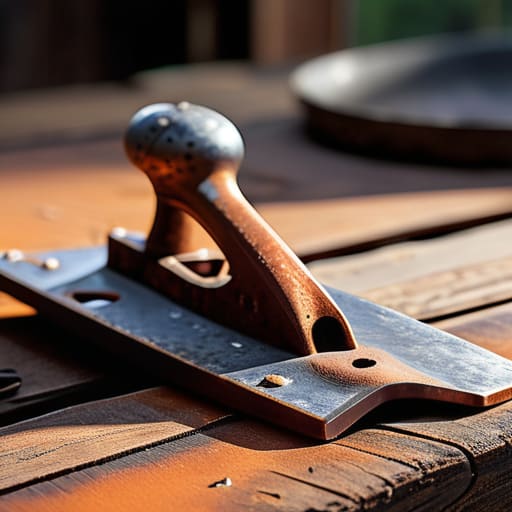
When you’re staring down a piece of pitted iron or a tool covered in rust, the temptation is to grab the heaviest abrasive you can find and start grinding like your life depends on it. Resist that urge. If you go too hard, too fast, you’ll end up gouging the base material, and once you’ve lost that structural integrity, no amount of polish will bring it back. Effective metal oxidation removal is a game of patience, not brute force. I’ve seen too many young lads ruin a perfectly good vintage plane by sanding away the very surface they were trying to save.
Start with a soak or a gentle application of non-toxic metal cleaners if the oxidation is superficial. If you’re dealing with something deeper, you might need to look into specific chemical stripping methods, but even then, you have to watch the clock. You want to lift the scale without eating into the healthy metal underneath. Take your time to observe how the surface reacts; if it starts looking uneven, back off. You aren’t just cleaning a surface; you’re preserving a legacy.
Why Non Toxic Metal Cleaners Beat Quick Shortcuts
Now, I know the temptation. You’re standing in your shop, looking at a stubborn patch of grime, and the easiest thing in the world is to grab the strongest, most caustic chemical you can find. It’s fast, sure, but that’s where people get careless. When you rely on heavy-duty chemical stripping methods just to save ten minutes, you aren’t just cleaning the piece; you’re often attacking the very integrity of the material. I’ve seen too many young lads ruin a perfectly good vintage tool because they used a solvent that was far too aggressive, leaving the surface pitted and uneven.
I’ve always leaned toward non-toxic metal cleaners for a reason. They might take a little more elbow grease, but they respect the substrate. If you’re doing proper surface preparation for painting or finishing, you want a clean, stable base, not a surface that’s been chemically scorched. Using milder, safer options means you aren’t breathing in fumes that’ll leave you feeling like garbage by noon, and more importantly, you aren’t compromising the metal’s long-term health. In my shop, we do things right the first time so we don’t have to redo them tomorrow.
Five Rules for Picking Your Cleaners Without Wrecking Your Work
- Stop reaching for the harshest acids just because you’re in a hurry; if you strip the patina too aggressively, you’re left with a surface that’s prone to rusting again before you’ve even finished the job.
- Always test a small, inconspicuous spot first—every alloy reacts differently to a cleaner, and I’ve seen too many fellas ruin a perfectly good piece of brass by assuming it’ll act like steel.
- If you’re working on something old like cast iron, skip the modern, scented degreasers and stick to something simple like mild soap or a specialized paste that won’t leave a chemical film behind.
- Don’t forget that the “cleaning” part is only half the battle; once you’ve used an agent to strip the grime, you need to neutralize the surface immediately so the metal doesn’t start reacting to the air.
- Invest in quality over quantity; a small tin of a proper, professional-grade cleaner will last you years, whereas those cheap spray bottles from the big-box stores are mostly water and marketing fluff.
The Bottom Line on Cleaning Right
Stop looking for the fastest way out; if you rush the cleaning process with harsh acids, you’re just going to pit the surface and create more work for yourself down the road.
Respect the material by choosing cleaners that actually suit the metal you’re working on—using a generic, heavy-duty chemical on delicate antique iron is a surefire way to ruin a good piece.
Take your time to do it properly the first time, because a clean, well-prepped surface is the only foundation you’ve got if you want your repairs or finishes to actually stick.
## Respect the Surface
“You can always grind away a mistake, but you can’t put back the metal you’ve eaten away with a cheap, aggressive acid. Treat your cleaning agents like you treat your hammer: use exactly what the job requires, and nothing more, or you’ll spend more time fixing the damage than you ever spent cleaning the piece.”
Alistair Fenwick
Doing It Right the First Time
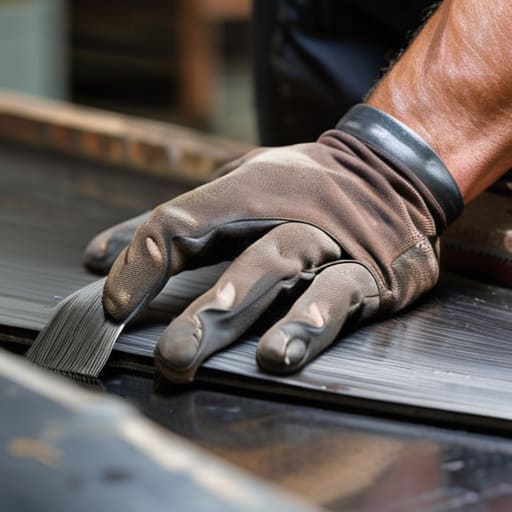
At the end of the day, cleaning metal isn’t just about making something shine for a photo; it’s about preparing the surface for whatever comes next, whether that’s a fresh coat of oil or a new weld. We’ve talked about why you shouldn’t rush through oxidation and why those harsh, nasty chemicals often do more harm than good to the integrity of the piece. If you skip the prep work or use a cleaner that eats into the grain, you’re just setting yourself up for failure down the road. Stick to the methods that respect the material, choose your agents with a bit of common sense, and always keep an eye on how the metal reacts under your hands.
I know it’s tempting to grab the first bottle you see on a big-box store shelf just to get the job done and move on, but that’s how you end up with pitted surfaces and wasted time. Real craftsmanship requires a bit of discipline and a lot of patience. When you take the time to treat your tools and your heirlooms with the respect they deserve, you aren’t just cleaning a piece of metal—you’re preserving a legacy. Take your time, do the work properly, and build something that’s actually worth keeping.
Frequently Asked Questions
Is there a specific way to tell if a cleaner is going to strip the patina I’ve spent weeks building up?
Look, if you’re worried about your patina, don’t go testing it on the main piece first. Take a scrap bit of the same metal—something with a similar age and finish—and give it a go. If the cleaner is too aggressive, it’ll turn that deep, settled color into a bright, unnatural shine in seconds. If it leaves the surface looking “raw” or uneven, put the bottle back on the shelf. Respect the finish.
Can I use a heavy-duty industrial degreaser on old cast iron, or am I just going to ruin the seasoning?
Don’t you dare. If you go slathering heavy-duty industrial degreaser on an old piece of cast iron, you’ll strip that seasoning right down to the bare, vulnerable metal. Those chemicals are designed to tear through grease, and they don’t care about the polymerized oil you’ve spent years building up. You’ll end up with a rusted mess on your hands. Stick to warm water, a stiff brush, and maybe a bit of mild soap if you must.
How do I know when I’ve actually gotten the oxidation out and when I'm just wasting my time scrubbing?
You’ll know when you’re done by feeling it, not just looking at it. Once the surface stops feeling gritty or “toothy” under your palm, you’re getting close. I always do a quick wipe with a clean, dry rag; if the cloth comes away with a dark smear, there’s still oxidation hiding in the pores. If the rag stays clean and the metal feels smooth, stop. Don’t turn a cleaning job into a grinding job.
