I can still smell the ozone and burnt steel from my first week in the fabrication shop back in ’78. I remember a young lad—much like some of the fellas I see in the aisles of big-box hardware stores today—who thought he could manhandle a tool like that without any real respect for the physics behind it. He was leaning into a heavy bevel, letting the machine do all the work, until a shattered disc sent a shower of sparks and shards across the bay. Proper grinder use isn’t about how much noise you can make or how fast you can strip a surface; it’s about understanding the rhythm of the tool and knowing exactly when to let it breathe.
I’m not here to sell you on some fancy, overpriced pneumatic setup or a dozen different specialized attachments you’ll never actually use. What I want to do is pass on the hard-earned lessons I’ve gathered from forty years of working with metal, focusing on how to get a clean, professional finish without wasting a single inch of material. I’ll show you how to control the heat, how to choose the right wheel for the job, and most importantly, how to work with the metal instead of fighting against it.
Table of Contents
- Abrasive Wheel Selection Picking the Right Tool for the Job
- Angle Grinder Safety Precautions to Protect Your Hands and Work
- Five Ways to Keep Your Grinder from Fighting You
- The Bottom Line Before You Pull the Trigger
- ## The Weight of the Tool
- Respect the Machine, Respect the Metal
- Frequently Asked Questions
Abrasive Wheel Selection Picking the Right Tool for the Job
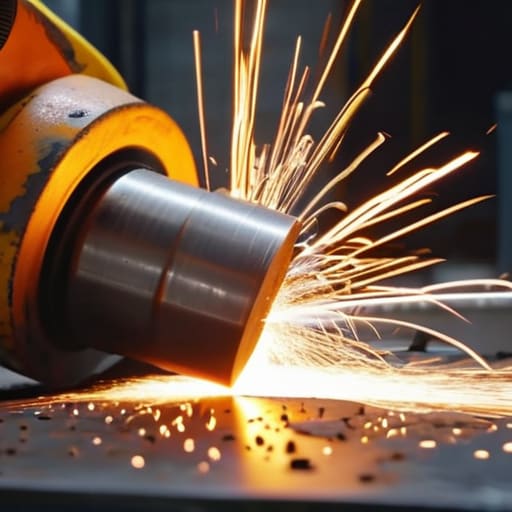
Most folks walk into the hardware store and grab the first cheap disc they see, but that’s a quick way to burn through your material or, worse, your patience. You’ve got to understand that grinding disc types aren’t just suggestions; they are specific tools for specific tasks. If you’re trying to knock down a heavy weld, you want a thick, aggressive grinding wheel that can take the heat. But if you start using that same heavy grit on a piece where you’re aiming for fine metal surface preparation, you’re going to leave deep gouges that’ll take you twice as long to smooth out later.
It’s a common mistake to confuse the two, but you need to know the difference between polishing vs grinding before you even pull the trigger. A grinding disc is meant to remove mass—it’s the heavy lifter. A flap disc or a polishing pad is there to refine the finish. If you try to skip steps by using a coarse wheel for everything, you’re just creating more work for yourself. Take a minute to look at the specs on the disc; match the grit to the goal, or you’ll end up fighting the machine instead of working with it.
Angle Grinder Safety Precautions to Protect Your Hands and Work
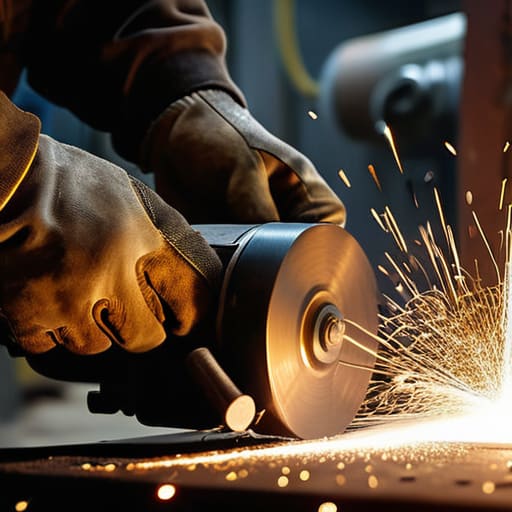
Now, let’s talk about the part most folks try to skip because they think they’re too experienced to get hurt: safety. I’ve seen plenty of young lads—and even some old-timers—treat an angle grinder like a toy, but that tool has a nasty habit of biting back if you aren’t paying attention. Before you even plug the cord in, you need to check your guard. If you’ve removed that metal shield because it “gets in the way,” you’re asking for trouble. I always make sure my guard is positioned between my face and the sparks. Proper angle grinder safety precautions start with respecting the tool’s power; never force the cut, and let the weight of the machine do the work.
You also need to watch your hands. It sounds simple, but when you’re deep into metal surface preparation, it’s easy to lose focus. I never work with loose gloves that might snag on a spinning disc, and I always keep a firm, two-handed grip on the housing. If the disc catches or “kicks,” you want to be braced, not caught off balance. Take a second to clear your workspace of any stray bits of metal or flammable rags before you start. If you don’t respect the kickback, you’ll be spending more time in the clinic than in the workshop.
Five Ways to Keep Your Grinder from Fighting You
- Watch your angle, not just the spark. If you lean too hard into the metal or hold the tool at a wonky tilt, you’re going to gouge the surface. Once you’ve taken too much material out, you can’t put it back, and you’ll be spending twice as long trying to sand out that mistake.
- Let the tool do the heavy lifting. I see too many young fellas white-knuckling the grinder and shoving it into the workpiece like they’re trying to drill a hole. You don’t need to force it; just let the RPMs and the grit do the work. If you’re pushing that hard, you’re either using the wrong disc or you’re about to burn out the motor.
- Listen to the sound of the motor. A good grinder has a steady, rhythmic hum. If you hear it bogging down or changing pitch, you’re putting too much pressure on it. Back off, let it get back up to speed, and then continue. It’s better to take ten slow passes than one fast one that stalls your machine.
- Keep your workspace clear of the “invisible” hazards. It’s not just about the sparks; it’s about the debris. Before you even plug that thing in, make sure there isn’t a pile of oily rags or some sawdust sitting right where the shower is going to land. I’ve seen more than one shop fire start because someone was too lazy to sweep before they started grinding.
- Check your disc for more than just cracks. Before you mount a new wheel, run your finger—carefully, mind you—along the edge to feel for chips or unevenness. If a disc is even slightly out of true, it’ll vibrate like a jackhammer in your hands, and that vibration will ruin your precision and your wrists by the end of the hour.
The Bottom Line Before You Pull the Trigger
Stop trying to make one wheel do everything; using the wrong abrasive is just a fast way to burn through your material and your patience.
Safety isn’t some checklist you tick off to satisfy a manual—it’s about respecting the tool so you actually have hands left to work with tomorrow.
Slow down and listen to the machine; if you’re forcing the grinder or rushing the cut, you’re doing more harm than good to the metal.
## The Weight of the Tool
“An angle grinder isn’t a toy you just point and pray; it’s a hungry machine that’ll eat through your workpiece—or your fingers—the second you stop respecting the torque and start trying to rush the cut.”
Alistair Fenwick
Respect the Machine, Respect the Metal
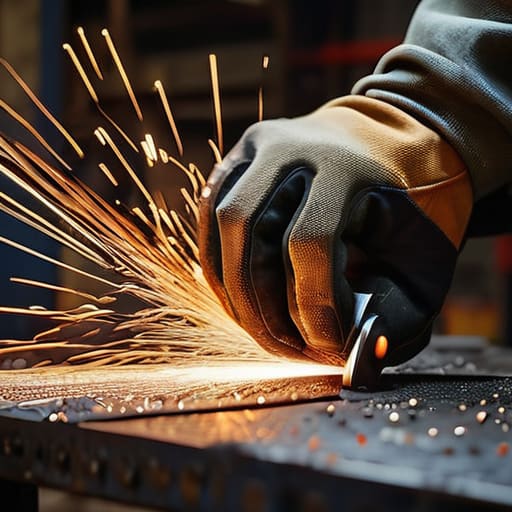
At the end of the day, using an angle grinder isn’t about how much material you can strip away in ten minutes; it’s about control. You’ve got to remember that the right abrasive wheel is your best friend, and skipping the safety checks is just a fast track to a trip to the emergency room. If you take the time to match your disc to the metal and keep your eyes on your stance, you’ll find that the tool starts working with you instead of against you. Don’t let the speed of the motor dictate your pace. If you rush the grind, you’ll end up with heat discoloration or a ruined edge that no amount of sanding will ever fix. Measure twice, grind once, and keep your hands clear.
I’ve seen plenty of young folks walk into a shop thinking they can master a tool just by pulling a trigger, but real skill comes from the quiet moments of observation between the sparks. There is a certain satisfaction in looking down at a piece of steel you’ve shaped and smoothed with your own two hands, knowing it was done with patience and precision. We live in a world that wants everything done yesterday, but the metal doesn’t care about your schedule. It only cares about how much respect you show the craft. So, keep your tools sharp, keep your mind steady, and build things that are worth keeping.
Frequently Asked Questions
How do I tell if my grinding disc is getting too thin or worn down to keep using safely?
You don’t need a micrometer to know when a disc has given up the ghost. I always keep an eye on the diameter; once that disc gets down to about a third of its original thickness, it’s time to toss it. If you keep pushing a thin disc, it loses its structural integrity and can shatter under pressure. If you feel the vibration changing or the disc starts wandering, don’t fight it—just swap it out.
What's the best way to stop the grinder from "walking" or jumping when I first touch the metal?
That “walking” is usually what happens when you’re trying to force the tool instead of letting it do the work. You’ve got to start with a light touch. Don’t jam the disc into the metal the second you hit the trigger; let the RPMs climb first, then ease into the cut. Use your body weight to steady it, not just your wrists. If you fight the machine, the machine’s going to win every time.
When should I switch from a coarse grinding wheel to a finer flap disc to get a smooth finish?
You switch when the heavy lifting is done and you’re looking at the surface texture. Once you’ve used your coarse wheel to knock down the bulk of the material or level out a heavy weld, stop. If you see deep, jagged gouges left behind, stay with the coarse wheel. But the moment those deep scars are gone and you’re just smoothing out the remaining scratches, grab that flap disc. Don’t try to force a fine disc to do a heavy grinder’s job; you’ll just clog the grit and waste money.
